Magnesium Deep Dive: Doses, Deficiencies, and Dupes
If you haven’t caught wind of the magnesium hype yet, then you must be living under a rock. And a particularly mineral-deficient rock, at that!
Magnesium supplements, powders, lotions, and potions have risen in popularity in recent years. Slathered-up proponents of the nutrient claim muscle relaxation, decreased anxiety, improved sleep, and more as inevitable side effects of magnesium supplementation.
But, because you know we have to ask, where does the science stand? Have we been taking this humble mineral for granite?
To get crystal clear on magnesium, we turned to Dr. Neal. He might not be a geologist, but the down-to-earth Woodstock Vitamins founder and holistic health expert still rocked our world with his data-backed deep dive into the mineral.
So keep coal and carry on scrolling to learn everything you need to know about magnesium.
In This Article
- What is magnesium and why should we care
- Improving magnesium levels through diet
- What can magnesium supplements actually help with
- Which form of magnesium is best to supplement
What is Magnesium?
Despite its minute presence, magnesium wields significant influence over your physical and emotional well-being. Epitomizing the phrase “dynamite comes in small packages,” the micronutrient operates as a cofactor in over 300 enzymatic reactions in the body.
As an essential mineral, the presence of magnesium is required for a number of critical processes — involving everything from DNA synthesis and energy production to nerve function and muscle health. Not to mention blood glucose and blood pressure management, both of which magnesium levels will impact.
Its sway over your health extends even to the skeletal system, contributing to the structural development of bones and bone density maintenance. So while you only need it in small amounts, magnesium is responsible for some really big things.
But didn’t we say it impacts your emotional well-being, too?
We sure did.
Magnesium deficiency pops up in people with depression and anxiety at an alarming rate, but thankfully, the relationship between the mineral and mental health symptoms is a two-way street.
While chronic stress can drive down total mag levels, recent clinical trials have shown that supplementing the mineral can have promising effects on — if not rapid recovery from — a range of mental health experiences, depression and anxiety being the most notable.
Even treatment-resistant depression, which affects 60% of people with clinical depression, is meeting its match in magnesium supplementation.
Can I Improve Magnesium Levels Through Diet?
So, without enough mag from our diet, we’re not only risking exacerbated symptoms of depression and anxiety but also other uncomfy things like muscle cramps and fatigue in the short term. The long-term damage of magnesium deficiency is no walk in the park either, as it can increase our risk of diabetes and heart disease with severe deficiencies leading to seizures.
But wait, here’s the kicker: According to the National Institute of Health (NIH), about 50% of adults in the US don’t get the recommended daily amount of magnesium from dietary sources.
Our starting point, then, is magnesium-rich foods. Before you dive headfirst into the magnesium supplement section below, try eating more of these nutrient-dense foods with relatively high mag levels.
Food Sources of Magnesium
- Leafy green vegetables
- Spinach = 157 mg, cooked
- Kale = 47 mg per cup, cooked
- Nuts and seeds
- Almonds = 80 mg per ounce
- Cashews = 74 mg per ounce
- Pumpkin = 168 mg per ounce
- Beans and legumes
- Black beans = 120 mg, cooked
- Kidney beans = 70 mg, cooked
- Fish
- Halibut = 90 mg per 3 ounces
- Salmon = 26 mg per 3 ounces
This list might seem incomplete compared to what you’ll find on Google, but we left off two common answers for two simple reasons.
First, is fortified grains.
Often touted as an excellent source of mag and other artificially added nutrients, fortified grains lack the critical micronutrients that are found alongside these nutrients in natural sources.
Thanks to the heavy processing of fortified grains, only 16% of the natural magnesium found in whole wheat remains in the flour, and the magnesium added to bolster the nutrient density is typically isolated and synthetic.
The other food group missing from this list is dairy products, which do contain high levels of magnesium naturally. Unfortunately, they also contain a lot of calcium, which can block magnesium absorption.
Translation? Your best bets for increasing magnesium levels through diet while boosting your overall health are leafy greens, nuts and seeds, and the other healthy foods in the list above.
What Can Magnesium Supplements Actually Help With?
Even with that handy list, though, we can still fall short of our recommended magnesium levels.
Whether it’s due to fluctuating eating habits, increasingly less nutritious foods, or even leaky gut, there are plenty of distinctly human shortcomings that make magnesium supplementation crucial. So while you should still up your intake of spinach and legumes, you don’t have to eat your greens with fingers crossed.
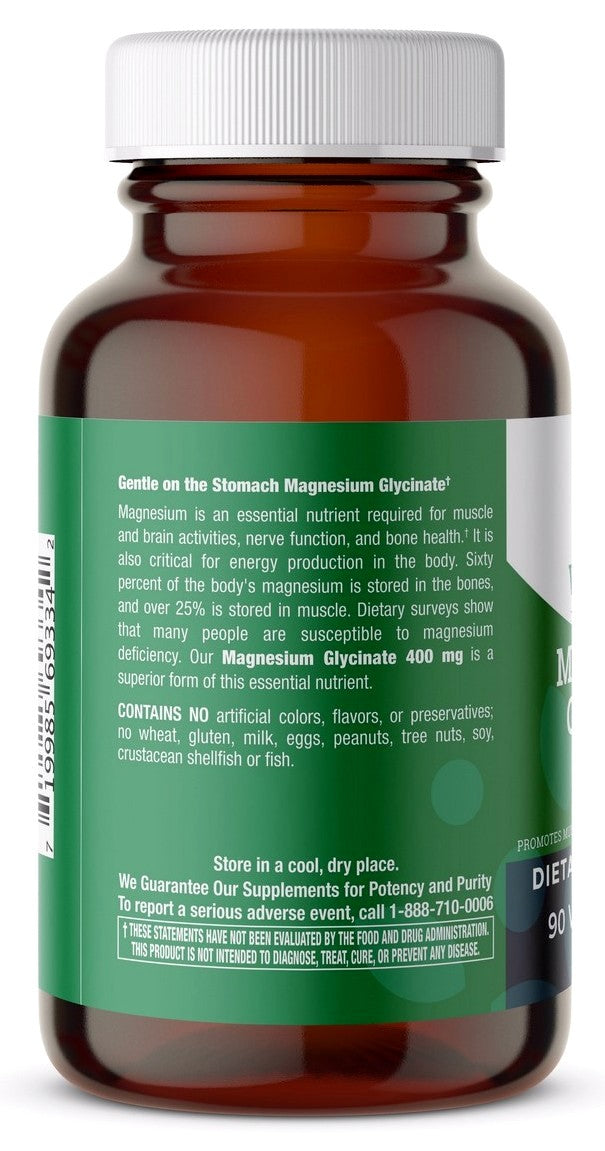
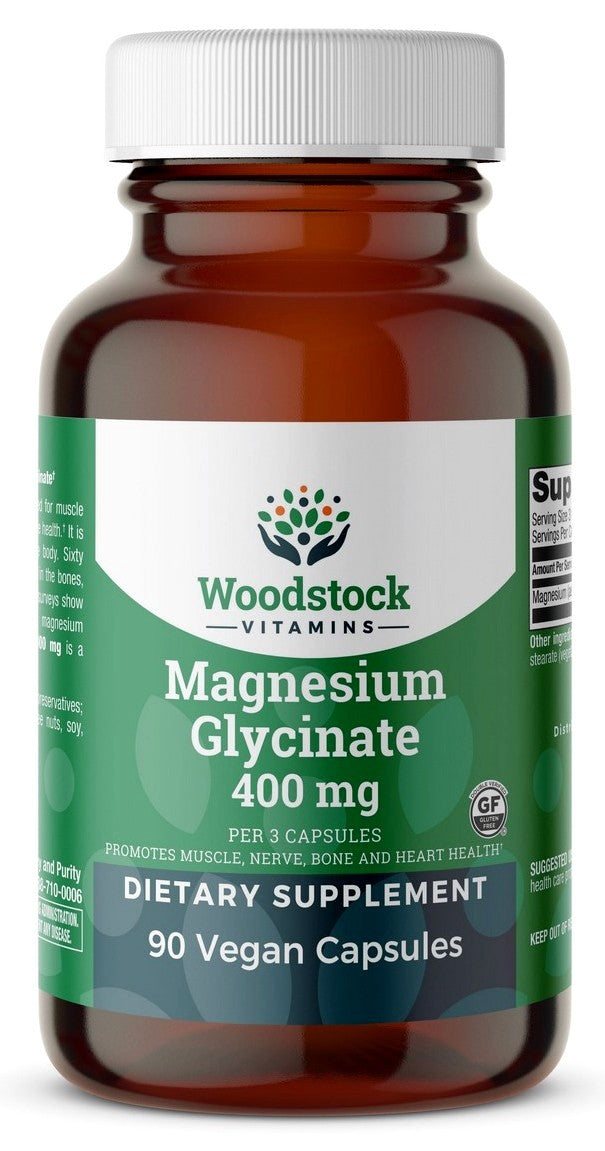
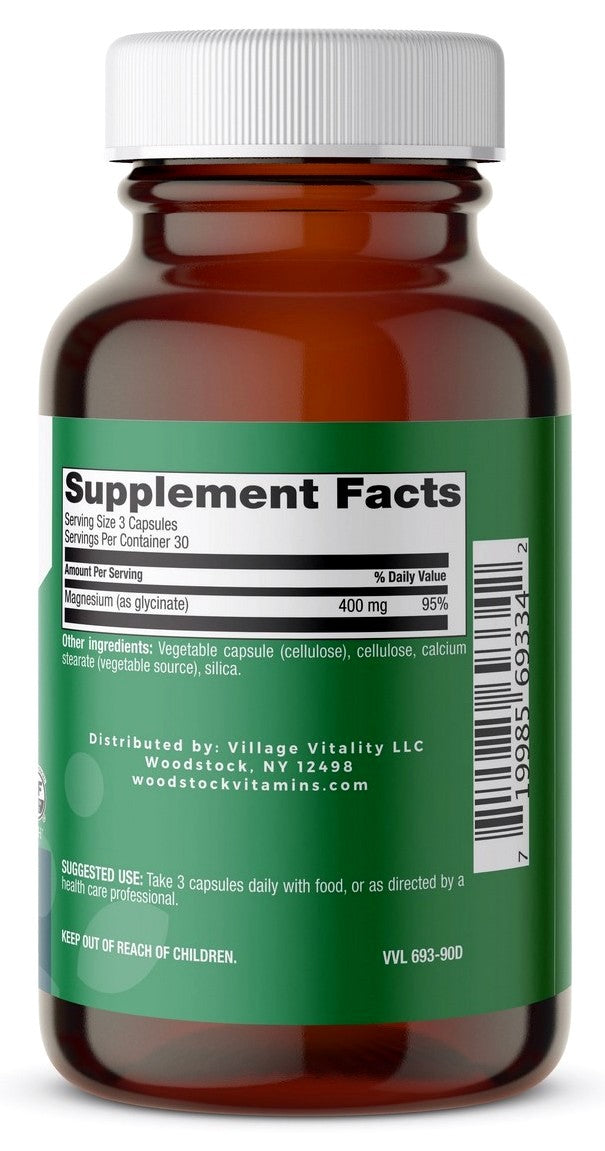
Magnesium supplements litter the aisles of just about every health foods store in the country — they’re accessible, typically affordable, and can be really helpful for deficiency-related symptoms if taken appropriately.
What are those symptoms, you may ask? The most notable ones include:
- Chronic fatigue or low energy levels: Magnesium plays a role in the production of ATP (adenosine triphosphate), which is the main source of energy for the body’s cells.
- Muscle cramps or spasms: Magnesium helps regulate muscle contractions, so if you experience frequent cramps or spasms, it could be a sign that you are not getting enough of this mineral.
- Headaches: Magnesium helps regulate neurotransmitters that play a role in the development of certain types of headaches.
- Depression or anxiety: Magnesium has been shown to have an antidepressant effect, and low levels of this mineral have been linked to an increased risk of depression and anxiety.
- Poor appetite: Magnesium is involved in the absorption of nutrients, so if you have a poor appetite or difficulty absorbing nutrients, it could be related to magnesium deficiency.
- Inflammation: Magnesium has anti-inflammatory properties, and low levels of this mineral have been linked to an increased risk of chronic inflammation and related diseases such as diabetes and heart disease.
- Insomnia: Magnesium helps regulate sleep patterns, so if you have difficulty falling or staying asleep, it could be a sign that you are not getting enough of this mineral.
Which Magnesium Supplement Should I Take?
If you’re sleepy, sleepless, or suffering from spasms, magnesium might just be the key to alleviating your symptoms naturally while also addressing root causes.
But it all depends on what kind of magnesium you take because not all forms of the mineral stack up against all issues. The most common forms of magnesium you’ll find include magnesium sulfate (Epsom salts), magnesium citrate (another salt), and magnesium glycinate (a chelated version of the mineral).
Most wellness experts will recommend chelated forms of magnesium if they know their stuff because chelates have better solubility than salt forms. This means chelated magnesium can more easily penetrate cell membranes where it interacts with proteins, enzymes, hormones, and cells to aid in their functioning.
In general, salt forms like magnesium oxide or magnesium citrate have very poor absorption. Like, VERY poor. About 5% of magnesium from mg oxide can get into the blood, and 95% of it stays in the gut.
Dr. Neal Smoller
Every once in a while, though, you might want a form of magnesium that sits around in your gut. You could be constipated, in which case a salt form like mag oxide works just fine for getting the bowels moving.
Most of us, however, want to experience the relaxing and restorative benefits of magnesium, so we want as much of the mineral hitting our bloodstreams as possible. So we turn to chelates, like magnesium glycinate, taurate, malate, or — if we want the absolute best — bisglycinate.
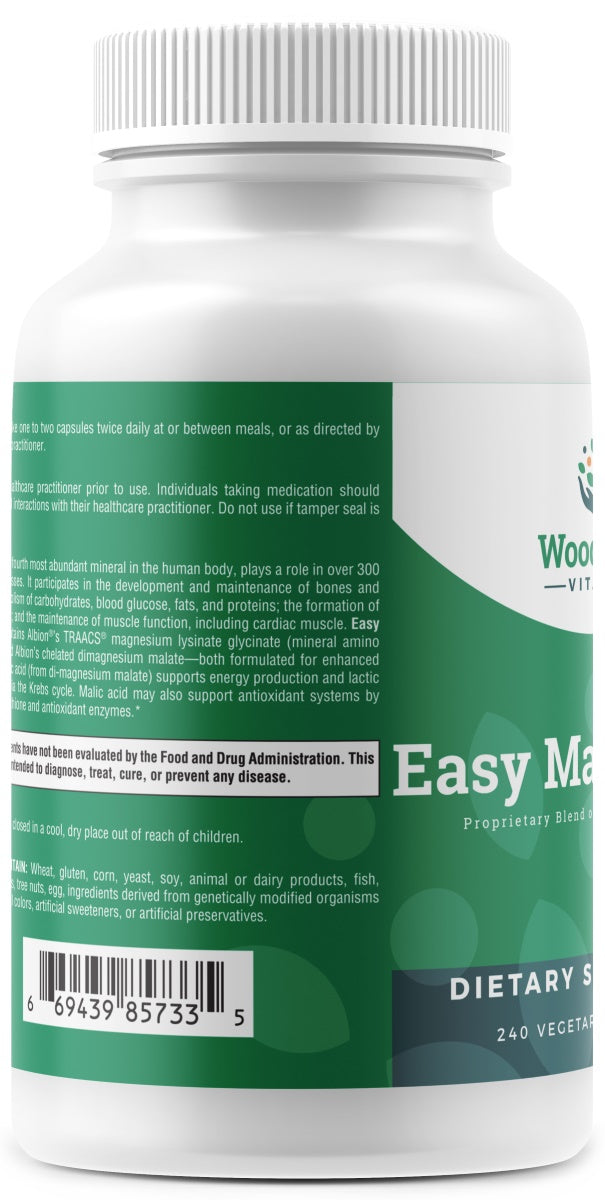
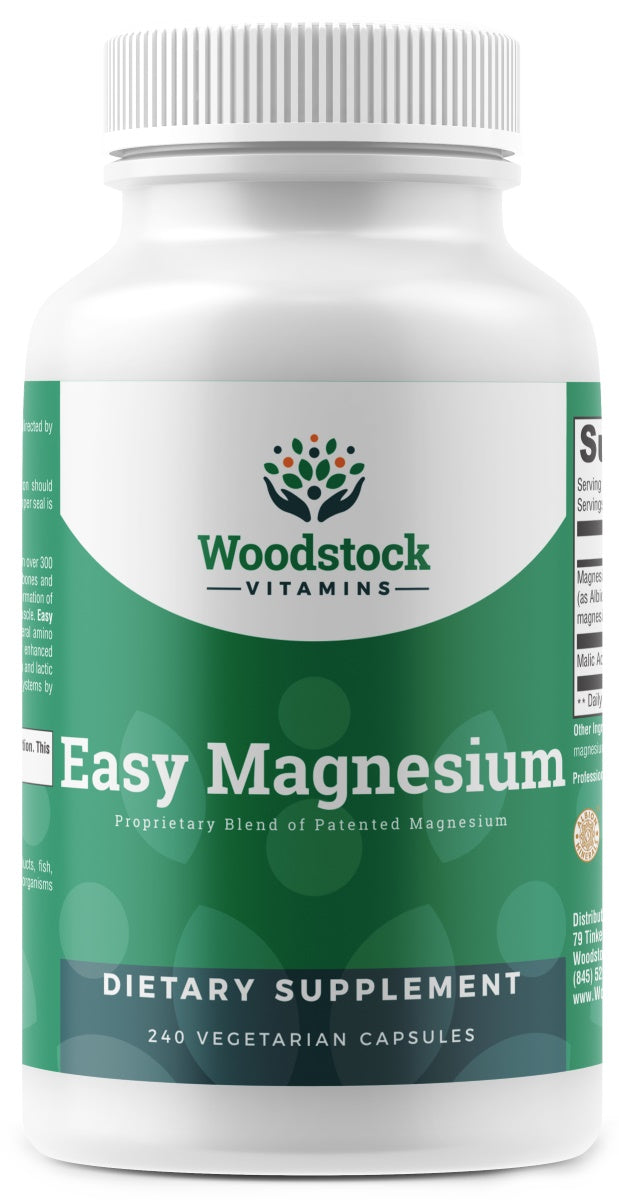
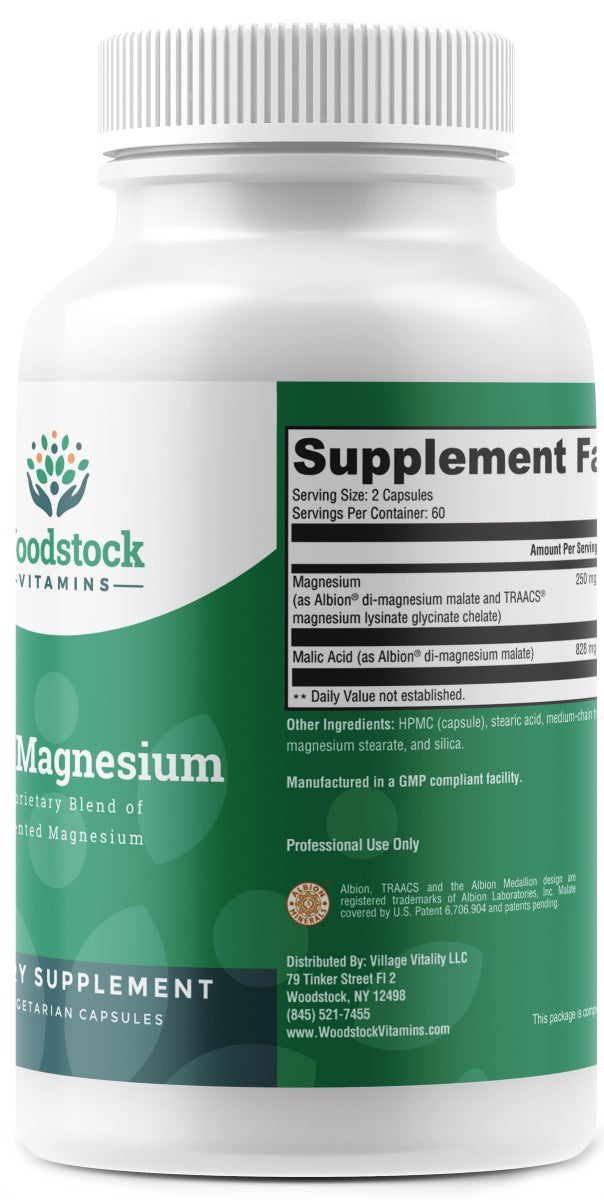
Magnesium bisglycinate is a chelated mag that is bound to not just one, but two glycinate amino acid molecules. With two bonded amino acids, this particular form of magnesium attracts way less water and absorbs way more efficiently.
Learn More: Understanding The Different Types of Magnesium Supplements
Magnesium the Mineral Marvel
Did you have a sneaking suspicion, at the beginning of this blog, that we were the slathered-up proponents of all things magnesium? Well then, let it be confirmed: We’re maniacs about maintaining healthy mag levels.
So whether you’re new to the magnesium bandwagon or are a long-time rider of the mineral train, give us a call! Our supplement experts and magnesium masters are always available (via our free Counterside Consults) to talk about the intricacies of your mag journey. From supplement forms and deficiency symptoms to medication interactions — we can explore it all, together.