Here at Woodstock Vitamins, Dr. Neal’s supplement strategy concept serves as our guiding philosophy — and not just because the wellness wisecracker is our founder! This strategic approach is key for wellness seekers who don’t want to waste time or money on their health journey.
The First5, a humble yet essential quintet of nutrients, is a crucial facet of the supplement strategy.
Micronutrients are one of the First5, but what are they? Micronutrients are nutrients (duh) that benefit multiple body systems. They’re often missing from even the best diets and have the best science to support their importance.
To meet our unique micronutrient needs, we recommend multivitamins.
Multivitamins are supplement products with a collection of micronutrients. Think: vitamins, minerals, and trace minerals packaged up in convenient capsules, tablets, powders, gummies, and more.
Most people think of multivitamins as one-a-day tablets that kinda stink a little. Unlike other retailers, we’re not married to that idea (in fact, the relationship is estranged). We often recommend any combination of supplement products — even multiple capsules a day — that provide these needed micronutrients.
Today, we’re looking at the three top choices for multivitamins, comparing them, and sharing our recommendations for success with these important supplements.
In This Article:
- Why do you need a multivitamin
- Our top 3 favorite multivitamins
- Comparing the top multivitamins of 2026
- Choosing the right multivitamin for you
Why Do I Need A Multivitamin?
Let’s say you want to be super awesome and make yourself as healthy as possible. So you pop your gummy vitamin, and now you’re invincible.
We get a few yuks out of this, but honestly… Many people truly believe a multivitamin will imbue them with special powers.
For a deep discussion around the usefulness of multivitamins, choosing multivitamins, and all the dirty tricks the industry plays, we highly recommend Dr. Neal’s recent podcast 3-episode series on the subject:
- Episode 10 – Multivitamins: Both Useless and Vital
- Episode 11 – Multivitamins: Safely Buying in 2022
- Episode 17 – Multivitamins: Whole Food or Whole Fraud?
After you’ve listened to those episodes, gotten the facts, and decided whether or not a multivitamin is vital for you, come back to this blog! And then scroll on to see our top picks and how they compare to one another.
The Woodstock Vitamins Top 3 Multivitamin Options
Our top 3 multivitamins are:
- Coenzyme Multi Capsules | Woodstock Vitamins
- Vital Greens and Reds Powder | Woodstock Vitamins
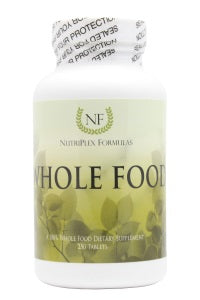
- Whole Food Tablets or Powder | Nutriplex Formulas
1. Coenzyme Multi
Coenzyme Multi is formulated to contain the most absorbable forms of each nutrient in common sense dosages.
Modern multivitamins often use the cheapest, “super-synthetic” versions. Doses are honestly ridiculous, oftentimes in the thousands of percent of RDA.
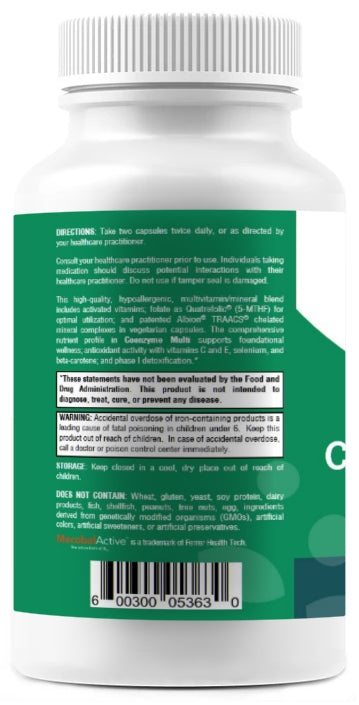
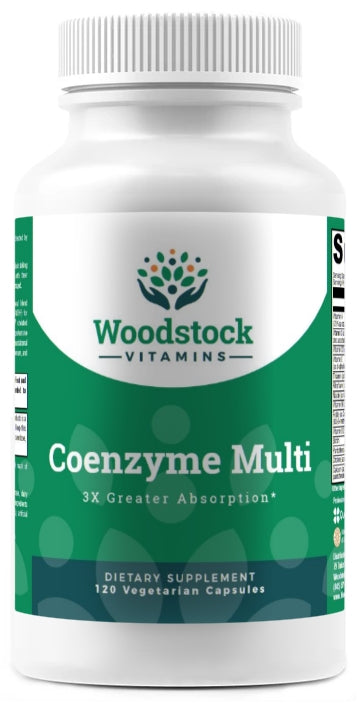
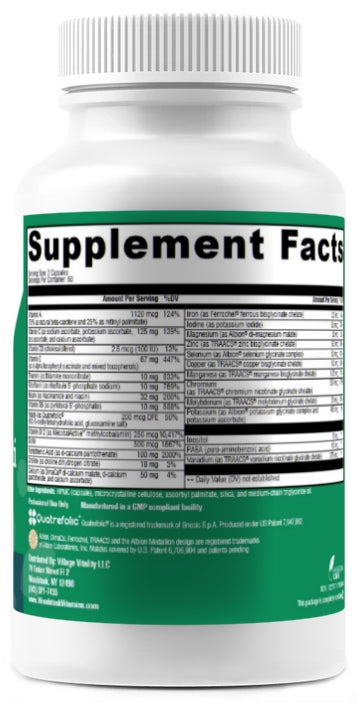
Coenzyme Multi really shines compared to other multivitamins especially when it comes to the B-vitamins, which are found in their activated ‘coenzyme forms’ and the minerals, found in chelated forms.
The one downside: Vitamin D3 is from lanolin, so Coenzyme Multi is not suitable for vegans.
Coenzyme Multi is available as a capsule, powder, and chewable tablet for kids (that doesn’t taste bad at all!).
Learn More: Choose the Best Multivitamin Supplement: Dr. Neal’s Do’s and Don’ts
Sidenote: Should I Take an Iron Free Multivitamin?
We formulate two versions of Coenzyme Multi: Coenzyme Multi and Coenzyme Multi No Iron. If someone must be SUPER careful about iron intake, Coenzyme Multi No Iron is for them. Otherwise, the difference between the two is minimal (there is only 2.5mg of iron in 2 capsules of Coenzyme Multi).
2. Vital Greens and Reds
Vital Greens and Reds is a vegan-friendly mix of vitamins and food powders that’s minimally processed to guarantee the integrity of the nutrients.
This multivitamin blend is a powder, so it’s mixed in a smoothie, shake, or just plain water and drank.
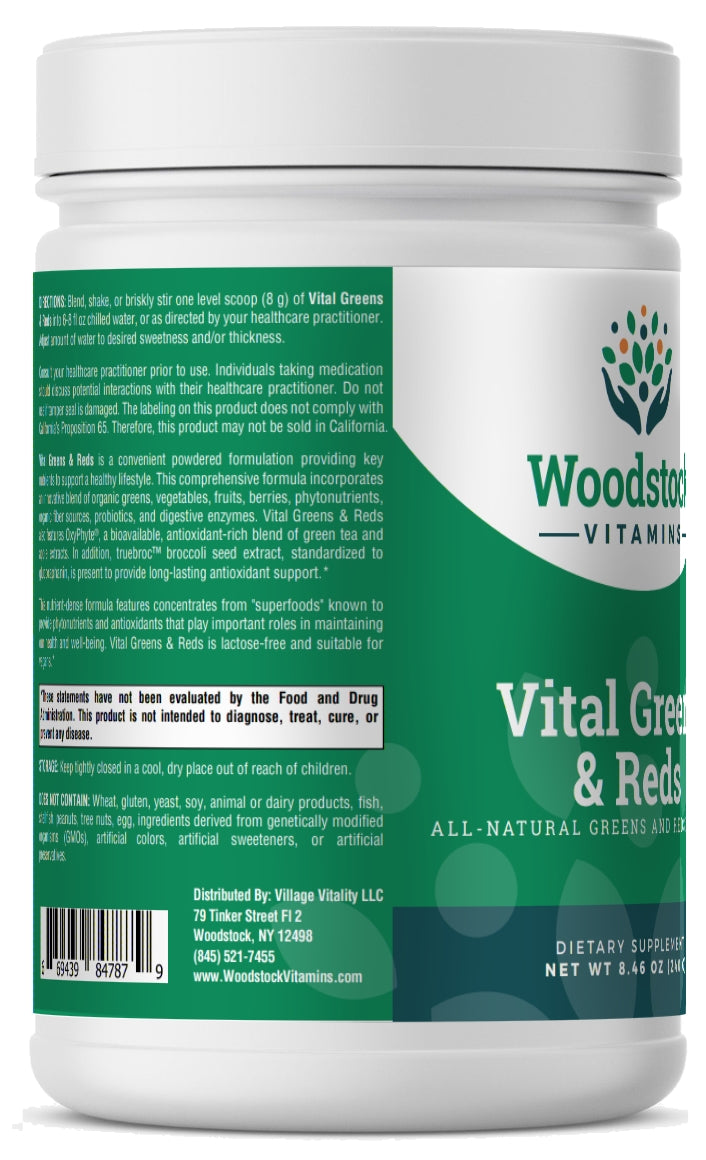
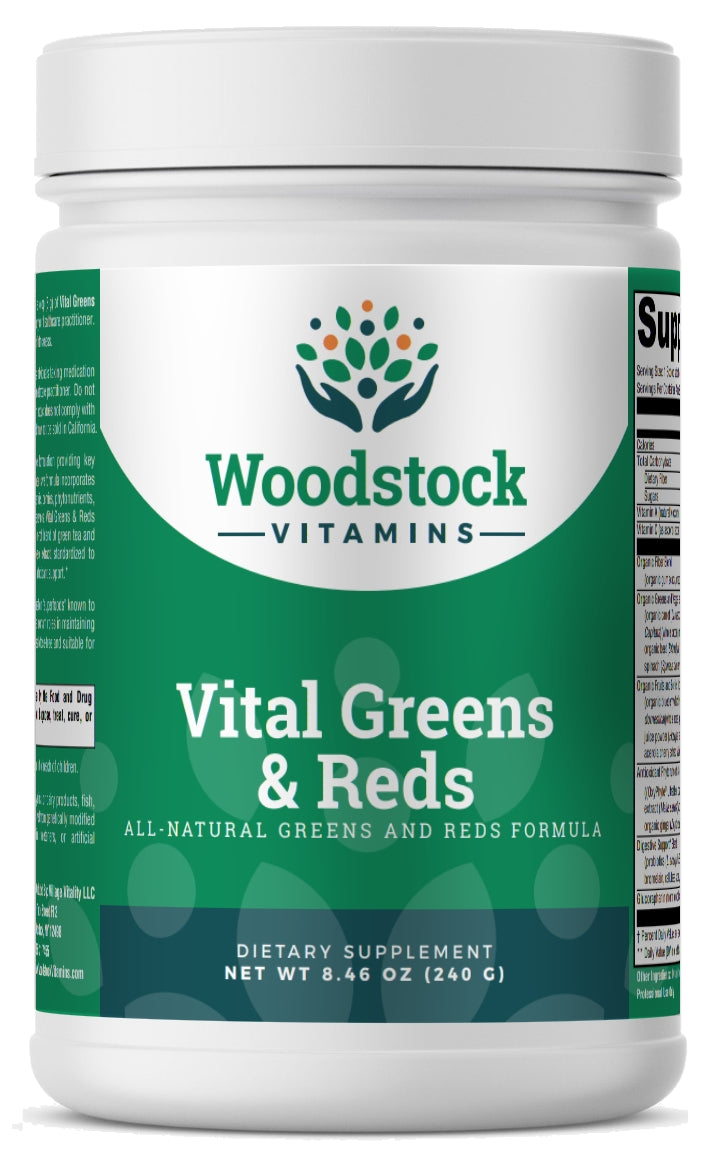
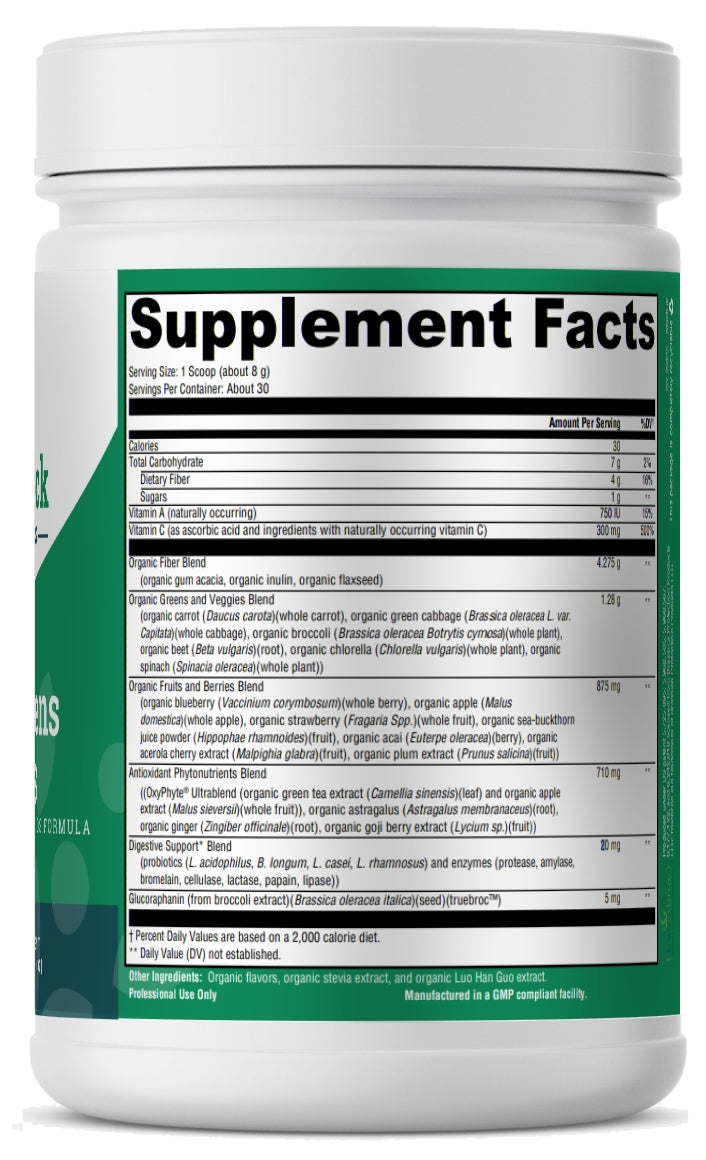
This product is great for people specifically looking to up their ‘servings’ of greens and reds temporarily as they implement dietary changes or for folks looking to go from an A to an A+ in antioxidant-rich fruit and vegetable intake.
Learn More: 4 Steps to Buying the Right Supplements in 2026
Whole Food by Nutriplex Formulas
If you listened to Neal’s podcast episode about Whole Food Multivitamins, you’ll know that he is VERY selective about the brands he promotes, especially ones claiming to be “whole food.”
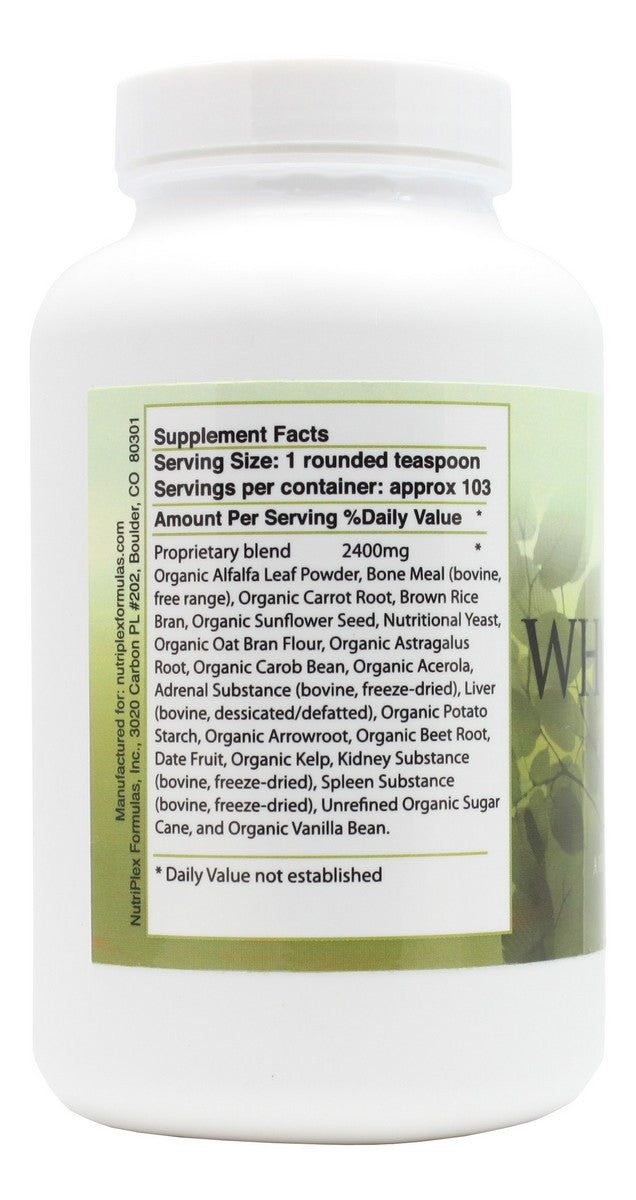
Nutriplex Formulas Whole Food is a collection of whole food ingredients formulated to supply those needed micronutrients from their natural food source.
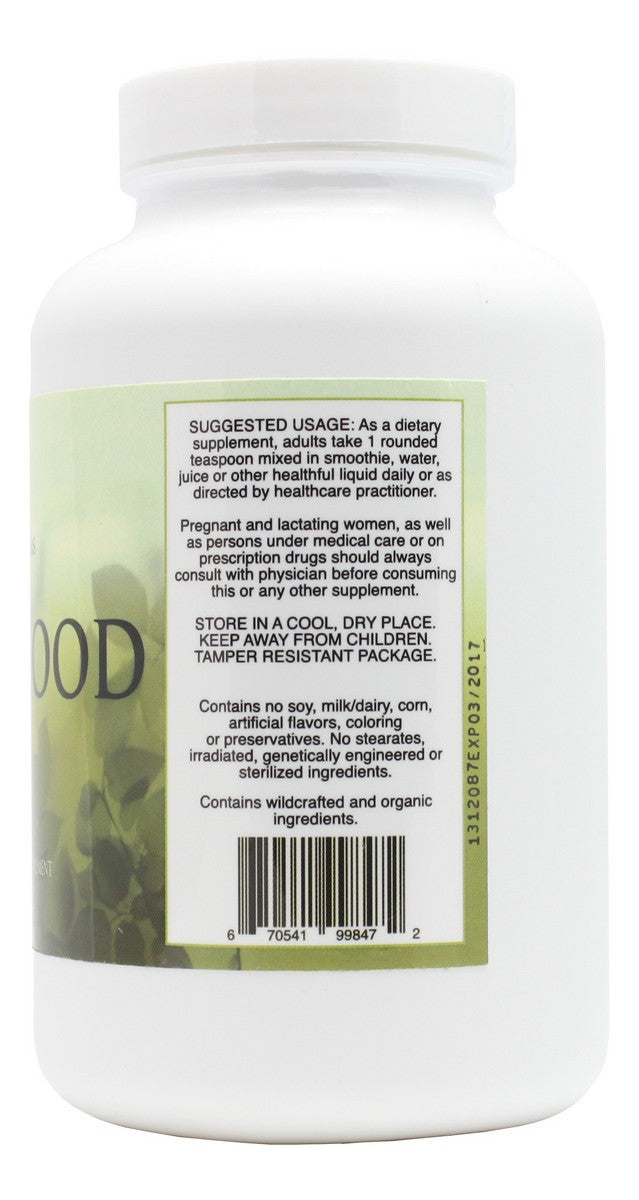
Foods in general have a lower vitamin count than “isolate” (read: traditional) supplements do, but that’s not necessarily a bad thing. It does explain the big dose in the suggested use section of the label; this is no one-a-day, but instead a 2-4 tablet-a-day product.
Also, because it’s food ingredients, micronutrient content is NOT measured. You won’t see Vitamin A, B, C, or any of the vitamin alphabet measured or placed on the label.
The Nutriplex Formula philosophy is that those crazy high numbers we all chase don’t matter, but eating and being exposed to healthy foods does.
Putting our Multivitamins Head to Head
Let’s compare each of the three multivitamins by putting each head to head against the other!
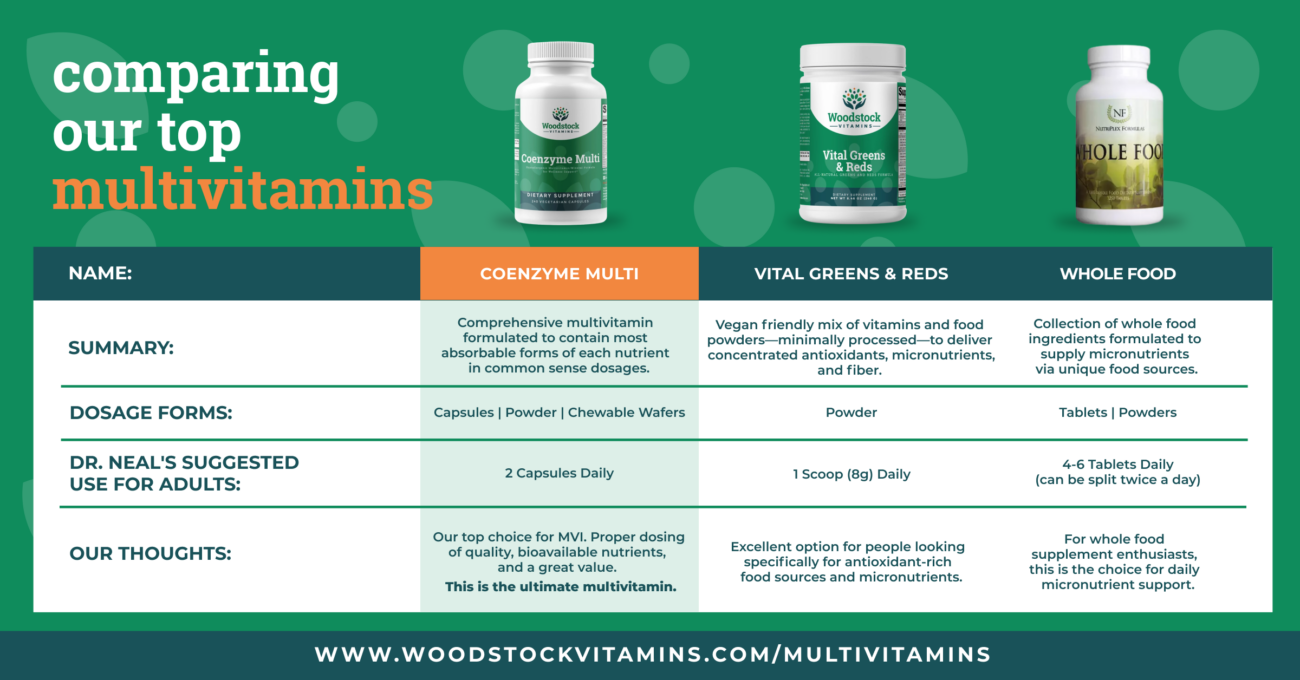
Coenzyme Multi vs Vital Greens and Reds
Coenzyme Multi provides a standardized dosage of absorbable micronutrients, whereas Vital Greens and Reds provides a combination of food powder and fiber blends — no specific counts of any micronutrient except for A and C.
So, Coenzyme Multi provides a comprehensive micronutrient mix, in defined amounts. Vital Greens and Reds is more about the unique, properly processed foods and the combinations than it is about the specific micronutrients and their quantities.
Vital Greens and Reds focuses on powerful antioxidants and even fiber, whereas Coenzyme Multi will have none of those ingredients.
Coenzyme Multi vs Whole Food
In theory, Whole Food by Nutriplex Formulas will have a similar mix of micronutrients as Coenzyme Multi will.
With Coenzyme Multi, you’re 100% certain of what you are getting and how much. With Whole Food, you’re certain you’re getting micronutrient-rich, properly processed foods, but there isn’t a specific (read: guaranteed) amounts of micronutrients.
The Whole Food supplement requires 4-6 tablets a day for a proper serving, whereas Coenzyme Multi can achieve those results with 2 easy-to-swallow capsules.
Whole Food vs Vital Greens and Reds
Whole Food is available in tablet or powder form, whereas Vital Greens and Reds comes as a powder only.
The former provides more variety of micronutrients, and more closely resembles the mix found in conventional multivitamins. Vital Greens and Reds leans more towards fibers and antioxidant-rich foods, along with water-soluble vitamins like A, C, and E.
Whole Food will have small amounts of vitamins and minerals (and that’s not a bad thing!), while Vital Greens and Reds will have higher concentrations of the good nutrition it provides.
Choosing the Best Multivitamin For You
Now that we’ve talked about the pros and cons of each, and compared them against each other, let’s decide on the best one for you.
Looking for a true whole food product? If your philosophy is real whole food, then look no further than Whole Food.
Looking for a great addition to a shake or smoothie? Want to skip the multivitamin pill and just bump up your smoothie game while getting healthy micronutrients? Vital Greens and Reds is your choice.
Looking for the best, comprehensive, and easy-to-take option? We love Coenzyme Multi as the best daily multivitamin that guarantees absorbable and reasonable doses of micronutrients.
Looking for a great supplement for vegans? Vital Greens and Reds is the best vegan-friendly option.
Which Multivitamin is Best for Me?
If you’re a fan of quality supplements done right, then look no further than Woodstock Vitamins.
If you’re serious about micronutrient supplementation and want it to be as vital as Dr. Neal believes it should be, we have lots of great options.
In particular, Coenzyme Multi is a real winner, and it’s our top recommendation for multivitamins.
But, if you’re looking for non-conventional micronutrient supplementation, Whole Food by Nutriplex Formulas or Vital Greens and Reds by Woodstock Vitamins are excellent choices as well, each with their own unique advantages.
Remember, true holistic care involves supplementing healthy choices with best-in-class supplements. Strive for your 5-10 servings of fruits and veggies a day, and then use a high-quality multivitamin to guarantee daily micronutrient goals are met.
Learn More: Multivitamins for Brain Health: 3 Things to Know Before Buying
Time is running out! With 2026 right around the corner, we don’t have much time to fashion brand-new, perfectly optimized versions of ourselves before the clock strikes midnight.
Or at least that’s what the marketing machines want us to think. This year, we’re taking a different approach.
Rather than focusing on resolutions or rebrands, we’re honing in on the concept of redemption. Because, despite it being a profitable holiday, it is true that every new year comes with a chance to refresh and refocus on health.
And if we want to redeem ourselves for our perhaps slightly less-than-optimal choices from 2025, we need to start with a strong wellness foundation. Those small gaps in habits or nutrition can lead to bigger challenges over time but that’s why we’re here to help you figure out what exactly has been missing from your toolkit.
Scroll on — this guide will introduce you to the 5 essential nutrients that you absolutely need to thrive. Plus, all the info you need to make strategic supplement choices.
In This Article:
- Why Foundational Wellness Matters
- 5 Essential Nutrients to Build Your Wellness Foundation
- Putting It All Together
First: Here’s Why Foundational Wellness Matters
Before we dive into the non-negotiable nutrients your body needs (and likely isn’t getting enough of)… What is this concept of foundational wellness? Why does it matter?
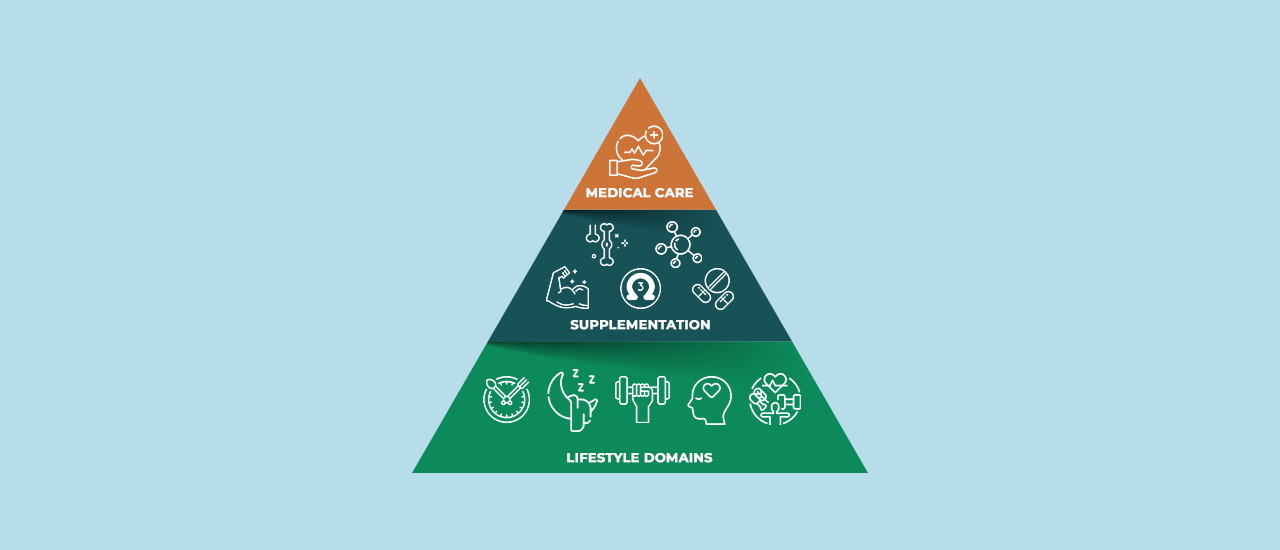
Well, hardcore fans of Dr. Neal will know that any conversation about genuine, long-term health starts with the Wellness Pyramid. Foundational health refers to the nutritional habits and wellness practices you’ve developed that help you feel your best. (Or not feel your best, as the case may be!)
The Wellness Pyramid takes these lifestyle arenas and formats them into an easily digestible image.
Things like proper nutrition, deep sleep, and regular movement help provide you with energy, while stress management and environmental changes can cultivate resilience.
So while the nutrients below are absolutely crucial, supplements are meant to supplement a healthy life. Without a strong wellness foundation for your efforts, it becomes much harder to achieve and maintain your goals. All this is to say: Start at the base of your Wellness Pyramid, then work your way up.
By filling the gaps in your wellness foundation now, you’ll set the stage for successful supplementation and lasting health improvements!
Learn More: The Season of Second Chances: Redeeming Your Health Journey
5 Essential Nutrients to Build Your Wellness Foundation
Of all the myriad nutrients available to us via food and supplementation, only 5 stand out from the crowd. But what is it about these particular nutrients that makes them so vital for our well-being?
We’re glad you asked! In order to make the list of Dr. Neal’s non-negotiable nutrients, a particular compound has to meet this strict set of criteria:
- It’s missing from almost all of our diets, even the healthiest ones.
- It impacts multiple bodily systems, not just one.
- Its benefits are backed by a boatload of reputable research.
After 20+ years of clinical experience, Dr. Neal found only 5 that fulfill these critical standards:
1. Omega-3
Let’s start out with a fan-favorite, nothing fishy here!
Omega-3s seem to stay in the supplement spotlight — likely due to their unparalleled effects on mental clarity, cognitive function, depression, and more. If you’re anything like us, you love your brain (or try to!) and will do just about anything to it work a bit better.
But it’s not all about the brain. Omega-3s also play an important role in fighting inflammation, improving gut health, lessening autoimmune symptoms, and lowering the risk of cardiovascular disease. This is all thanks to its nature as a fatty acid.
Without getting too far into the science, this fatty acid appears both as an anti-inflammatory agent (omega-3), and a pro-inflammatory agent (omega-6). Inflammation, in just the right amounts, helps our bodies fend off illnesses and infections — but like most things, too much can cause damage.
Most of us get a little too much omega-6, and not quite enough omega-3, so we struggle to keep our inflammation levels balanced and healthy.
Our Recommendations for Omega-3
- Form: Alaskan Fish Oil
- Critical Components: Omega-3, EPA, DHA
- Dose: 2,000-3,000mg daily
While you can definitely address the imbalance of omega-3 and omega-6 through diet and other lifestyle changes (and we’d never discourage you from that!), it can be difficult to reach the recommended daily dose without supplementation.
We recommend you add an omega-3 supplement to your routine to help stabilize your omega-3 and omega-6 intake. This, along with the other vital nutrients, holds the key to a healthy inflammatory response all throughout the body.
Learn More: Omega-3 Supplement Buying Guide: 3 Things to Look For
2. Probiotics
We always say (and the science backs us up!) that gut health is the gateway to overall health. That makes probiotics some of our greatest allies — both for digestive health and whole-body wellness!
Here’s how it works: Strains of microscopic organisms can flourish in the gut, populating nooks and crannies with positive bacteria that help balance the digestive system. Plus, probiotics don’t just work in your gut! Beneficial bacteria can help boost the immune system and can even have an impact on your mood and mental health.
“The normal flora, or the collection of microorganisms that live in and on us, is under constant attack — from stress, diet, medications, and more.”
-Dr. Neal Smoller
Our Recommendations for Probiotics
- Form: High-survivability formulation
- Critical Components: Contains the 4 beneficial strains
- Dose: 30 Billion CFUs per day
But — when it comes to probiotics, there is a bit of a catch. Not all the probiotics you see on store shelves include the right probiotic strains in the right amounts. Make sure you dive into Dr. Neal’s expert tips for finding the specific strains proven to make a real, beneficial impact!
Learn More: Best Probiotics for Gut Health — 4 Strains Backed by Science
3. Bone Support – AKA Calcium and Vitamin D3
Bone health isn’t all that important, really — as long as you don’t need to stand, walk, or anything else! But seriously, we don’t think we’re being dramatic when we say that bone health is the foundation upon which everything else relies.
We all learned in elementary school that bones are all about calcium.
But here’s the thing. Your body can’t produce calcium on its own. It relies on either calcium from external sources (diet, supplements), or it draws calcium from within the body itself. And most people aren’t getting enough calcium from diet alone to avoid calcium leaching from their bones!
Before you panic though, vitamin D is here to save the day. In addition to its myriad of other health benefits (including mood, brain function, and immune support), vitamin D also helps our bodies absorb calcium. So, taking a well-chosen calcium supplement in tandem with our recommended vitamin D can help you get the most out of both.
“You’ll probably hear that you should be taking calcium carbonate or calcium citrate. I disagree. I prefer calcium hydroxyapatite. Why? Because it provides more than just calcium — it includes all the natural nutrients necessary to support the whole bone matrix.”
-Dr. Neal Smoller
Our Recommendations for Bone Support
- Form: Calcium and vitamin D
- Critical Components: Calcium hydroxyapatite and cholecalciferol
- Dose: 1,000 to 1,200mg of calcium daily; 1000-2000 IU of vitamin D daily
For optimal results (as always!), you need not only the right form of vitamin but the right dose. For bone support specifically, we recommend a daily dose of 1,000 to 1,200 milligrams of calcium hydroxyapatite, plus about 1000-2000 IU (International Units) of vitamin D3 (cholecalciferol) daily.
Learn More: Bone Health: Why We Always Recommend Calcium Hydroxyapatite
4. Protein, Or More Specifically, Collagen
Protein is essential for muscle repair, energy, and staying full longer. Protein supplements, then, are like a muscle-building shortcut, providing a concentrated dose of amino acids that your body can readily absorb. Plus, it can be difficult to find time in your busy life to ensure you’re hitting your protein goals — but a protein supplement makes it a cinch!
When it comes to protein supplements, there are lots of options. Most fall into one of these three categories:
- Whey protein (derived from milk)
- Plant-based protein (derived from peas, hemp, or a blend of plant sources)
- Collagen protein (derived from bovine sources)
All of the above can offer a significant protein boost, but if you want the best of the best, the only option is collagen.
And, because collagen makes up roughly 1/3rd of the protein in our bodies, the benefits of supplementing it extend far beyond the typical powder. Collagen has been shown to help rebuild and fortify the gut lining, and, in turn, improve nutrient absorption!
Our Recommendations for Protein
- Form: Collagen peptides
- Critical Components: Grass-fed, bovine source
- Dose: 10 to 20g per day
Before you start chugging collagen peptide protein shakes — remember that balance is key!
While supplements can be a fantastic addition to your fitness routine, they shouldn’t overshadow the importance of a well-rounded diet. For the ideal protein boost, you should add an extra 10 to 20 grams per day of grass-fed collagen peptides to an already well-rounded diet.
Learn More: 5 Benefits of Collagen for Gut Health
5. Multivitamins
Think of your body like a finely tuned machine — if only for this section. In order for your machine-body to stay running smoothly and fulfilling its various tasks, it needs to consume a range of nutrients in a finely balanced fashion. Just like how your car needs oil, transmission fluid, etc. Makes sense, right?
Getting the right amounts of each compound in the vitamin and mineral spectrum, however, isn’t as simple as filling up the tank at the closest Circle K.
Multivitamins, to stretch this metaphor within an inch of its life, act as an insurance policy. By filling the inevitable gaps in nutrition that come with a standard diet, multivitamins can help you avoid serious issues down the road like diseases of deficiencies.
Results can vary depending on individual needs and lifestyles, of course, but the science shows that a well-chosen multivitamin can make a real difference. Especially on crucial aspects of our wellness foundation, like our brain health.
Our Recommendations for Multivitamins
- Form: Full-spectrum micronutrients, both vitamins and minerals
- Critical Components: Each micronutrient should be in its most bioavailable form
- Dose: Varies for different demographics
Multivitamins come in all shapes and sizes, but don’t be fooled by the slick branding you’ll see on supplement shelves. The whole “one-a-day for women,” “men’s multis,” “multivitamins for people who like the East Coast,” thing is almost entirely marketing.
Instead of focusing on the demographic-specific multivitamin that fits you best, look for high-quality options that are dosed intelligently for (almost) any modern human. Cough, cough — like Dr. Neal’s Coenzyme Multi formula.
Learn More: Choose the Best Multivitamin Supplement: Dr. Neal’s Do’s and Don’ts
Putting It All Together: Your 2026 Wellness Foundation
Whether you’re strengthening your wellness foundation or building it for the first time, all this info can feel a little daunting.
But don’t worry! The key to success is gradual, sustainable change. With science on your side, and our expert help when you need it, you’ll be well on your way.
Plus, the first step is easy: just take a good, honest look at your current routines. Identify things that you’re doing well, as well as areas that might need improvement. By taking a look at what essential nutrients are already part of your lifestyle, as well as which ones you might be missing out on, you can pave the way for a healthier, happier life!
And, you can totally start small to avoid feeling overwhelmed. Even adding one nutrient or lifestyle habit at a time is an amazing step. Remember, it’s all about consistency over perfection! So, with Woodstock in your corner, take the first step today, and commit to filling the gaps in your foundation. Your future self will thank you.
Plus, once you get a handle on your essential nutrients, keep an eye out for our follow-up blog about addressing the gaps in your lifestyle — holistic-health style!
New year, same Woodstock.
Isn’t that a relief? While the myriad of wellness brands make haste on their Q1 marketing campaigns, we’re focusing on continuing to do what we do best.
That is: Providing science-backed wellness education that simplifies strategic supplementation. And while you might not be able to say that whole sentence five times fast, the keywords themselves are pretty easy:
Simple. Strategic. Supplements.
A core facet of simple and strategic supplementation is building a strong foundation before you start taking anything. So if you missed our last blog on Dr. Neal’s non-negotiable nutrients, that’s okay! Start here, with these 5 lifestyle adjustments that can make an enormous impact on your overall well-being.
By the end, you’ll have a rock-solid framework for whole-person health in 2026. Then, and only then, can you supplement the 5 nutrients everyone needs feeling totally confident in your ability to avoid wasting money on well-branded bunk.
In This Article:
- Why Start with Lifestyle Adjustments to Support Your Wellness Goals?
- Sleep Duration and Quality
- Exercise and Nutrition
- Stress Management
- Lifestyle (Or Environmental) Changes
Why Start with Lifestyle Adjustments to Support Your Wellness Goals?
We’ll keep this bit brief because, if you’ve read any of our other boat-rocking blogs, then you already know the core sentiment.
Which is, of course, that you can’t out-supplement a nutritionally bankrupt diet. Or a totally sedentary lifestyle. Or a stress-ridden day-to-day life that leaves you completely depleted.
Even the 5 incredibly powerful nutrients that Dr. Neal recommends for everyone work best when they’re supported by foundational wellness factors. Like diet, sleep, exercise, stress management, and lifestyle changes.
À la the Wellness Pyramid.
These five areas of life create the bedrock of your well-being. And, just like the First5 nutrients, these factors work in tandem with one another. Your sleep impacts your ability to manage stress; your nutrient intake impacts your digestion; your digestion impacts your energy and sleep cycles.
So don’t shirk one area in favor of another! Instead, try to make time and space in your life for a little of everything on the list. Walk the middle path. Focus on moderation. Aim for consistency, not perfection.
5 Lifestyle Adjustments to Support Your Wellness Goals
1. Prioritize Sleep Quality and Duration
First up is sleep!
You probably already know that sleep is essential for recovery, focus, mental well-being, and overall health. But the importance of your sleep quality and duration cannot be understated. (Especially in our fast-paced, productivity-centered culture.)
You should be aiming for between 7 and 9 hours of sleep each night, but the amount of sleep you get is only the tip of the iceberg.
Sleep quality is incredibly important as well, and can be affected by a whole variety of underlying issues — many of which we’ll cover later in this blog.
One easy thing you can do is establish a consistent bedtime and stick to it! If you make a few small changes to cultivate a calming evening routine, like removing electronics and heavy foods that can disrupt your circadian rhythm… Your sleep quality will improve in no time. And if you need more sleep-focused tips, we’ve got a whole list right here.
Learn More: 5 Things to Do (Not Take) for Better Sleep
2. Exercise
It’s no secret that exercise can improve both physical and mental health. But most people think that means they need to hit the gym 6x a week or become a Tabata devotee. Want to know the open secret? Even something simple, like a daily walk, can make a significant impact.
In fact, high-intensity training has been linked to things like inflammation, immune dysfunction, oxidative stress, muscle damage, and more. So if you’re just starting your exercise journey, fret not!
Instead, start with a manageable goal that’s confirmed by science to support physicall wellness and mental health. 30 minutes of moderate movement, 5x a week. (Think: Walking, stretching, yoga, bodyweight exercises, etc.)
Then, build from there! The ideal goal is 30 minutes of exercise per day, but like we said, consitency is key. It’s much better for your health to commit to a short, simple routine than to be on-again-off-again with a rigorous, demanding one.
So whatever activity you decide on, stick to it if you want to see results! Regular exercise can help improve a whole host of things, like your sleep quality and digestion. Remember what we said about everything being connected?
Learn More: The Truth About Exercise: Ditch the Myths
3. Diet and Nutrition
Despite the fact that all of these lifestyle adjustments are incredibly important, nutrition seems to be the most disputed.
And while you might be tired of cliches like, “you are what you eat,” they’re closer to the truth than many would like to admit. Your body is like an amazingly complex organic machine, and the food you eat determines the quality of fuel you’re putting in the tank.
To make it as simple as possible, we’ll put it like this: poor diet leads to poor overall health. No ifs, ands, or bots. Before you reach for your pitchforks, though, we’re not at all recommending depriving yourself or searching for the latest diet fad.
We recommend, as always, balance! Which looks like caring for your body with wholesome, nutritious foods, while still leaving space for a little indulgence. Everything in moderation, including moderation.
Because it’s not just about choosing the right foods, either. Your body requires not only high-quality fuel, but consistent fuel. So, make sure you eat regularly throughout the day — it’ll help keep your blood sugar in-line.
Plus (and you might see a pattern forming here), did you know that diet can also affect your sleep?
Learn More: Mastering Holistic Nutrition: Dr. Neal’s Top 5 Diet Guidelines
4. Manage Stress
While stress has become a bit of a buzzword lately, we’d like to cut to the core of it: Under stress, your body releases a flood of hormones, like cortisol and adrenaline, putting your system on high alert.
Early in our evolution, this function of the body was hugely beneficial. In this state, known as the sympathetic nervous system, your body shuts down unnecessary functions to save energy for what it thinks is most important.
In our modern world, though, sometimes the body struggles to prioritize the right functions. If you’re being chased by a bear, for example, you’d be grateful to have all that pesky digestive energy redirected to your heart and lungs. In a stressful situation at work (that might last for days or weeks!) it’ll probably be a bit less helpful.
Chronic stress, then, basically means that your body is trapped in the sympathetic nervous system state — AKA fight or flight — constantly.
So, addressing and managing your stress is your path to better digestion, sleep, moods, and a whole lot more. While you may not be able to just flip a magic switch and make all your stress disappear, you can definitely identify what’s pushing your buttons the most — and hopefully, do something about it. (Like meditation, mindfulness practices, or breathwork.)
And, spoiler alert: Too much stress also leads to too little sleep. Oh, how the connectedness continues!
Learn More: Meditation vs Mindfulness — Common Misconceptions
5. Finally, Lifestyle Changes
Now, you may be saying: “You’ve already talked my ear off about what I need to change! What else could you possibly want from me?”
Well, first of all — it’s not for us, it’s for you! And as always, take what you like and leave the rest. Incorporating some of these tips consistently will do a lot more for you than using all of them for a week or two.
And secondly, while we’ve already discussed habits that address what goes on inside your body (digestion, sleep, recovery, etc.), we like to think of the lifestyle changes component as being related to all the stuff that goes on outside of your body.
Because, honestly, making a few, small changes that limit your exposure to toxins and inflammatory compounds can sometimes have the biggest impact. Lifestyle changes can be very personal, though, so remember it’s all about what does work for you, not necessarily what should.
All that to say, basically, that none of these tips or supplements will work their best without being supported by healthy choices. Whether that’s drinking more water, bringing fewer toxins into your home, taking the TV out of your bedroom, or all of the above — these small changes can be the difference between supporting or derailing your progress.
Learn More: Environment: How It Impacts Your Health and What to Do About It
That’s Life(style Adjustments)!
We’ve said it once and we’ll say it again (and again, and again…), optimal health requires balance.
If you combine good info with good habits and good supplements, you’ll make it a lot farther than if your supplements, habits, and lifestyle are all working at cross purposes.
So, while it may be slower and less fun than raiding the health-food store for all the latest and greatest miracle cures, adjusting the way you live and what you prioritize will make more of a difference in how you feel. Plus, with a little help from our team of supplement experts lead by the notorious loudmouth, Dr. Neal, strategic supplementation gets a whole lot simpler.
This year, keep doing the difficult but necessary work of finding and fixing the little gaps in your wellness foundation that are keeping you from being and feeling your best. New year, new you — same (awesome!) Woodstock.
Supplements aren’t magic.
Which might sound a little strange coming from a supplement brand, but it’s true! First, there’s a physical limit to what we can fit into a capsule. Pair that with the lack of meaningful regulations surrounding supplement safety and it’s clear the burden of finding effective options falls on the consumer.
(That’s you!)
In our increasingly complex world it can be near impossible to keep all the information straight — what works, what doesn’t, who you can trust, who you can’t. It’s endless!
But thankfully, you’re not alone in this hunt for high-quality supplements that can help fill nutrient gaps in your diet. We’re here to highlight three supplement brands that are leading the charge for a safer, simpler supplement shopping experience.
Because we’re not just about calling out the skeevy sales tactics we see in the wellness industry. We’re also firm believers in uplifting the small brands who do the difficult work of crafting well-made supplements backed by science.
So read on for an overview of the supplement brands we trust, why we trust them, and what they can do for you and your wellness journey.
In This Article:
- The Simple Answer: 3 Best Supplement Brands of 2025
- What Makes These the Best Supplement Brands of 2025?
- How to Get the Most from the 3 Best Supplement Brands of 2025
The Simple Answer: 3 Best Supplement Brands of 2025
If you’re in a rush, we’ll make this easy for you. The three supplement brands below actually put their money where their mouth is, and that’s why we’re proud to carry them in our shop.
1. Ortho Molecular Products (OMP)
Long-term health heavyweights, OMP has been developing quality supplements for over 35 years. With a myriad of certifications, awards, and accolades to back up their top-tier approach to supplement crafting, OMP has consistently prioritized first-rate raw ingredients in their formulations.
(Wanna know our favorite of their products? It’s SBI Protect — an immunoglobulin supplement designed to bolster gut health.)
2. Nutriplex Formulas
Known and revered for their superior whole-food formulations, Nutriplex supplements are made with only organic and wildcrafted ingredients. Pretty neat, right? For 30 years, Nutriplex Formulas has created supplements with a steadfast commitment to transparency, integrity, and sustainability.
That’s why the Nutriplex Formulas Whole Food Complex is the only thing we recommend besides our own Vital Greens & Reds as far as superfood powders go.
3. Real Mushrooms
Backed by over 40 years of experience, Real Mushrooms was founded to help fight against the lack of scientific evidence to support the efficacy of mushroom supplements. And you can feel good about spending your hard-earned cash on these supplements — Real Mushrooms is one of the only brands around that offers total label transparency.
Our advice? Ditch the fan-favorite fungi companies in favor of Real Mushrooms. Their Lion’s Mane formula is a research-backed option for boosting brain health, cognition, and focus.
Let’s Get Smart: What Makes These the Best Supplement Brands of 2025?
In order for a supplement to make it on our shelves — whether it’s our Woodstock Vitamins brand or not — it has to meet a strict set of criteria.
Dr. Neal dubbed this collection of regulations the Supplement Quality Standard, or SQS for short. While the items on this checklist might seem ridiculously simple… You’d be amazed at how many brands make supplements without considering the science, compliance, virtue, and value of what they provide.
- Science: Our products and the supplement brands we support must be based on real, verifiable scientific evidence. No ifs, ands, or buts.
- Compliance: They must also meet all quality and manufacturing regulations. No corners may be cut around these parts.
- Virtue: The brands we carry have to walk the walk, too. Supplement manufacturers that don’t prioritize the health and longevity of our planet don’t make it in our store.
- Value: Lastly, these products have to be worth the price tag and offer wellness seekers good value per dollar. Price gouging, unnecessary markups, and the like are a quick way to get booted off this list.
It should go without saying, but the three best supplement brands of 2025 — according to our team of supplement strategists lead by Dr. Neal — meet these incredibly exacting requirements. Ortho Molecular Products, Nutriplex Formulas, and Real Mushrooms all provided verified, high-quality supplements but let’s dive into why we love each one in particular.
Ortho Molecular Products
This supplement OG is appreciated by pros for its advanced formulations that target specific health concerns such as immune function, joint health, and digestive support. Plus, their commitment to continuous research is reflected in the way they partner with healthcare professionals to make sure their products align with the latest scientific findings.
The OMP team also emphasizes quality control with their state-of-the-art manufacturing process. (Yes, they’re certified by third-party organizations for Good Manufacturing Practices compliance!) Their continued transparency around sourcing and ingredient quality is another reason they stand out in the crowded supplement market.
Providing science-backed, clinically-tested vitamin and supplement products for over 35 years, Ortho Molecular Products continues to demonstrate their commitment to science, careful ingredient selection and formulation, and strict quality standards with every product.
Learn More: Ortho Molecular Products | Dr. Neal’s Brand Review
Nutriplex Formulas
When it comes to “whole food” products, most manufacturers rely on isolates, or lab made vitamins, minerals, and nutrients. Nutriplex Formulas, on the other hand, uses the whole vegetable, herb, and glandular — and that’s all.
Nutriplex takes the holistic approach to the next level by utilizing organic and wildcrafted ingredients, which preserves the full spectrum of nutrients found naturally in foods. Their products are free from artificial additives, fillers, and preservatives, ensuring a pure, clean supplement.
The brand’s commitment to sustainability is evident in their eco-friendly packaging and responsible sourcing practices, which help reduce their environmental footprint. Nutriplex also prioritizes accessibility to high-quality supplements by offering a wide range of formulas that cater to different health needs, from gut health to energy levels and immune support.
To sum it up: We love Nutriplex Formulas because they focus on whole foods and bioavailable ingredients so that each supplement is as close to nature as possible.
Learn More: Superfood Powders That Stands Up to Scrutiny
Real Mushrooms
You might say: “Real mushrooms? What else would they be?” Well, you’d be surprised. A huge proportion of the ‘mushroom’ products on the market are just mycelium (the mushroom’s root system) grown on a grain substrate. No mushrooms included!
Real Mushrooms, on the other hand, offers 100% real mushroom ingredients, and 100% real results: from cognition and energy to digestion and immunity (and everything in-between), they’ve got an option for you.
That’s how this brand became a trusted name in the industry — because they offer pure mushroom fruiting bodies, the part of the mushroom that contains the highest concentration of bioactive compounds. Plus, they go the extra mile to source their mushrooms from certified organic farms and create products are free from pesticides and heavy metals.
How? By conducting rigorous third-party testing for potency and purity. Hence why we love Real Mushrooms so much — you know exactly what you’re getting in every dose.
Whether you’re looking to boost mental clarity with Lion’s Mane or support immunity with Reishi, Real Mushrooms offers research-backed, high-quality supplements that are well-regarded within the wellness community.
Don’t Forget the Strategy Too: How to Get the Most from the 3 Best Supplement Brands of 2025
The first step in any supplement strategy is starting with top-tier products. While we’re happy to take care of that part for you, we always encourage you to do your own research. We trust these brands, but you don’t have to just take our word for it!
The second step to being strategic about your supplementation is supporting your supplements. We probably sound like a broken record at this point, but say it with us anyway!
You can’t out-supplement a nutritionally bankrupt diet or sedentary, stress-filled lifestyle!
By this we mean that even the best, most effective supplement will only really work if you give it a fighting chance. Start at the bottom of the Wellness Pyramid with lifestyle adjustments in the 5 crucial domains: diet, exercise, sleep, stress management, and environmental changes.
Even a little bit can go a long way. And that leads us perfectly to our last tip for getting the most out of the three best supplement brands of 2025.
Consistency, consistency, consistency.
This applies to both your supplements and your lifestyle adjustments. Consistent is always better than perfect, so aim to incorporate these changes in a sustainable way, even if the steps seem small at first.
Because while all of these supplements have the potential to make a big difference in your well-being, they’re not overnight cures or magic beans. They’re rooted in science, and the science says that most nutritional supplements work in a slow, cumulative manner.
So: Start with brands you trust, support your supplements with lifestyle adjustments, and be consistent. And call us if you need more personalized supplement guidance! Our team of supplement strategists is just a few clicks away.
If you ask us, there’s way too much focus these days on ‘the perfect health plan’ — particularly leading into the fitness frenzy that is the new year. Now, don’t get us wrong, good health is a great goal. But how you get there can be a bit more complicated than the marketing moguls would have you believe.
And as you may know, we’re not really big fans of New Year’s resolutions around here. Not because we don’t want you to be your best self, but because New Year’s promises and proclamations usually fall flat by February, leaving us guilt-ridden and feeling gluttonous.
We thought: there’s got to be a better way to push ourselves to change. How can we side-step this annual angst, and set goals that stick?
Well, this season — instead of wringing our hands about the best New Year’s resolutions, or whether all the holiday ham haunches will set our diet back — let’s take a step back and talk about redemption.
And thankfully, Dr. Neal is leading the charge toward a redemption-focused approach with his New Year’s vision strategy. Read on to learn the difference between resolution and redemption, how to create sustainable change, and how to craft a plan for actually accomplishing your goals in 2025.
In This Article:
- New Year’s Resolutions vs. Redemption
- Setting a New Year’s Vision: Getting Started
- 2 Steps to Creating a New Year’s Vision You Can Actually Accomplish
New Year’s Resolutions vs. Redemption
A quick disclaimer: Of course, we’re not against people setting goals, pushing to new heights, or continuing to evolve. That stuff is great! The reality is, though, that our modern framework for creating change just doesn’t work as advertised.
That’s why your gym is empty by Valentine’s Day and why your ideal beach body hasn’t magically arrived by June. Not only does the New Year’s resolution approach leave a lot to be desired, but it goes against human nature in ways that can actually be damaging. How? Well, keep reading to find out!
Learn More: Neal’s 5 Tips For Thriv-ival in 2025
3 Reasons Why New Year’s Resolutions Don’t Really Work
1. Because Humans Stink at Long-Term Change
Evolutionarily, the human brain just doesn’t prioritize big-picture or long-term thinking that well. Why? Well, early in our development as a species it was the quick, moment-to-moment decisions that kept us alive — and so our brains became really good at them.
When a decision, change, or development is positioned far in the future and requires consistent effort without instant results, it’s much more challenging. It doesn’t work for our brains because our brains simply don’t work like that. So no, you’re not lazy or lacking ambition — it’s biological! That takes a bit of the pressure off, right?
2. Because It’s Just Not Natural
In the wellness industry, every season has a sales schtick: spring for allergies, summer for skincare, and fall for cough and cold treatments. And New Year’s sales and services aren’t immune to this — despite the fact that we could just as easily begin our lives anew today as we could on January 1st!
But that wouldn’t be very helpful for companies seeking a profit boost headed into Q1, would it?
This kind of fabricated urgency just doesn’t lend itself well to long-standing change. After your credit card has been swiped, the buzz dwindles — because external motivation like this is as short-lived as our own fickle whims.
3. Because The Marketing Machine Benefits from It
Modern marketing tactics use every psychological trick in the book to influence millions of people for one simple goal: profit.
Even intelligent and discerning people can fall for marketing schemes when they leverage the deeply entrenched patterns of our fallible and fragile human brains. Because even if you know, logically, that major goals take time to accomplish, the emotional part of the brain still says, “Yeah, but I want it right now.”
That’s why, every year, millions of dollars are made on weight loss pills, detox programs, supplements, fitness courses, et cetera — promising those instant results our lizard brains just can’t resist.
Learn More: 4 Mental Health Myths Debunked: Understanding the American Mental Health Crisis
So What Does Redemption Mean in This Context?
Okay, so we’ve gone over all the reasons why resolutions don’t work — and while it may seem disheartening, just wait! There is another option: redemption.
When we say redemption, we mean a lot of different things. We mean to show yourself patience when you don’t make progress as fast as you think you should. We mean to forgive yourself when you fall off the wagon, even if it happens again and again. And we mean that it’s never too late to start trying or to decide to keep trying.
All that to say, it’s about patience and forgiveness — for yourself. It may seem like a subtle difference, but you’d be surprised at how much a simple attitude change can affect the way your life unfolds.
So, with that in mind, let’s dive into some concrete steps you can take toward meaningful change — and don’t forget, it’s never too late!
Setting a New Year’s Vision Instead: Getting Started
When we set our goals based on (oh so fleeting) external motivations, we’re setting ourselves up to fail. Then, as we struggle to stick to our new habits and hobbies, it’s easy to label ourselves as just that: failures.
And no matter how confident you may be, it’s hard to stay chipper when you’re mentally cycling through all the reasons you feel like a loser!
That’s why Dr. Neal‘s psychology-backed plan for creating a New Year’s vision is such a relief. Rather than prioritizing outcomes or getting attached to expectations, a New Year’s vision allows us to work towards bettering ourselves slowly and sustainably. But it does require a mindset shift — because at least for most of us, it’s a bit contradictory to our current paradigm.
Keeping these 3 things in mind while you create your perfectly personalized New Year’s vision will help you focus on what gets results, and let go of what doesn’t:
1. Get to the Heart of the Matter
If you want to succeed, you need to find what really, truly, genuinely moves you. For example, if you want to drop some extra pounds in 2025, “because I want abs” probably isn’t quite powerful enough to get you through months of hard work with difficult-to-see results.
“I want to live long enough to meet my grandchildren,” on the other hand, is exactly the sort of deep-rooted, galvanizing truth that can motivate real, lasting change.
2. Adjust Your Expectations
What’s the hardest part of working towards goals or building new behaviors? At first, you’re going to have to give maximum effort for minimum return. And with no dopamine-boosting lights, sounds, or prizes to reward you for the small accomplishments, it’s all the more difficult.
But here’s the good news: if you stick with it, you will eventually reach a point in the learning curve where you’re putting in less effort and seeing more results. And, if you go into this whole process expecting hard work, you won’t be as surprised when it gets challenging.
3. Track Your Progress
Sometimes, too, our New Year’s resolutions get left by the wayside not because we’re unmotivated or complacent, but because we simply forgot about them!
In our hectic world, it can be incredibly difficult to keep track of everything — even the good stuff. And especially stuff like making small, incremental improvements! That’s a big part of why long-term change is so difficult — day to day, it often feels like we’re making no progress at all.
So, keep a journal, make a note on your phone, write long missives with rocks on the beach — anything! If you’re able to review your days, weeks, or months, and actually write down the positive steps you’ve taken, it’ll be much easier to see how far you’ve come.
2 Steps to Creating a New Year’s Vision You Can Actually Accomplish
Okay, so it might not be plausible to sit down and say: “tomorrow I’ll be a completely different person.” But that doesn’t mean we can’t accomplish our goals. We just need to get into the nitty-gritty of creating a New Year’s vision that works for you, specifically!
Following Dr. Neal’s advice, we’re going to ask ourselves two simple questions to lay the foundation for all our hard work:
- What is it I want to do/be/accomplish by the end of this year?
- What are the 5 actions I must take consistently to do/be/accomplish that?
Yes, we know — we made it very clear that our brains don’t like establishing long-term goals. But by defining 5 specific actions we need to take daily, weekly, or monthly to reach our vision — we effectively reduce that long-term goal into 5 short-term ones.
And if we want to work with your brain instead of against it, these 5 actions should be both measurable and tangible. They should also be objective — or as objective as we can get — so you can say without a shred of doubt, “If I do these 5 things, I will have reached my vision.”
The best way to set yourself up for success with these objectives is, like we said above, getting to the heart of your goal, establishing realistic expectations, and tracking your progress.
TL;DR: New Year’s Resolutions Are Out, Redemption Is In
Let’s put all of this information together into a concrete example, using one of the most frequently heard New Year’s Resolutions — losing weight.
Utilizing the psychology-backed framework for redemption above, that would look something like this:
- Swap “I want to lose weight,” for “I want to lose 15 pounds over the next year.”
- Lock in on your motivating factor, like wanting to watch your grandchildren grow up.
- Make a commitment to show yourself real, genuine compassion on this journey.
- Define the 5 tangible actions that, if done, will result in your vision. (Regular exercise, improved nutrition, blood sugar stabilization, gut healing work, etc.)
- Keep track of each time you accomplish one of those 5 actions.
- Continuously reflect on your daily, weekly, or monthly progress.
And here’s one final pro tip that you might not have been aware of — you don’t have to do this alone! Our Counterside Consults, believe it or not, are always free — so you can give our team of holistic health experts a call anytime you need personalized advice for this journey.
Plus — have some patience! Not only for your progress, but for yourself. Making lasting change is hard, and it does take time, but it doesn’t have to be impossible. And it’s never too late to start!
Here’s the scene: Things are really weird right now, the temperature is really hot (literally and figuratively), and there are more people than ever telling you everything you should be doing, worrying about, and buying to “stay safe” from “them,” “it,” or “the end of everything.”
Life surely feels dire for so many. How in the heck could we talk about optimizing our wellness and thriving at a time like this? “Who do you think you are, Neal?” I don’t know. Still trying to figure that out…
Hence my new word: thriv-ival. It’s a new wellness descriptor, built for our times, that basically means a state of oscillating between thriving and surviving, hoping the law of averages works in your favor.
If you can’t tell, this is a Neal-in-2025-esque approach to a conventional listicle about healthy habits. If we haven’t spoken directly in a while, I’m a brand new girl. I’m hopped up on DGAF, but still have a twinkle of my idealism escaping the event horizon of resigned acceptance.
Who has time for pomp and circumstance anymore, really? It’s almost the 30’s for goodness sake!
So, here’s 5 reasonable, valuable tips on how to actually be healthy in this whacked out world. Delivered in the way you all know and love.
In This Article:
- Tip 1: Throw Away Your Devices.
- Tip 2: Give.
- Tip 3: Make Your World Smaller.
- Tip 4: Meditate.
- Tip 5: Get Strategic About Your Supplements. And Medicine. And Diet.
How to Actually Be Healthy in 2026: Dr. Neal’s Top 5 Tips
Tip 1: Throw Away Your Devices.
Right in the garbage. All of them.
…or at least lock them down.
Personally, I’ve found the old ways I’ve engaged with the world won’t serve me moving forward. By old, I mean the things I did like 3 weeks ago.
You may be familiar: doom scrolling, reading articles made just for me to invoke the highest level of emotional response and engagement, and constantly refreshing to see the newest sound-byte, meme, or zinger that’d make me surge with dopamine for 12 seconds.
It won’t serve me moving forward. It didn’t serve me then.
“The media stinks!” we cry as we keep feeding the beast. Yeah yeah, but let’s be honest… we LOVE us some stinky media. We’re addicted to the editorialization, the drama, and the rhetoric.
We’re roaming through the proverbial poison ivy and cow-itch backyard wondering why we spend all our time swollen and itchy.
Pair some honest introspection with some action:
- Figure out how much time you’re spending gazing into the abyss
- Identify (be mindful of) the things you’re clicking on and WHY
- Stop interacting with the gross stuff
- Curate BETTER things to spend your time with
(Weird how that advice applies to everything health and wellness like food, supplements, medicines, exercise…)
The last point is important. I want you to find BETTER things to read, play, click on, or engage with. I’m not anti-distraction; distraction is FINE and rest is needed.
I am, however, anti-brain-rot-inducing, behavior-modifying, anger-intensifying distractions.
Read a book. Ignore all that media nonsense. What has it really done for you anyway?
Tip 2: Give.
Alternatively, serve. Or not alternatively.
Tip 3: Make Your World Smaller.
Back in my day, you used to hear some health-related conjecture and then ask an actual official smarty-pants in that department WHO YOU KNEW, who was IN YOUR NEIGHBORHOOD, and then, by-golly, you’d go and ACTUALLY RESPECT THEIR ANSWER.
Who are your trusted experts?
What have they done to earn that trust?
Here’s an important indicator of whether or not your trusted expert is an ideal trusted expert: how physically close are they?
Can you throw old tomatoes at them if they’re actually wrong and misleading you, or do they live in a McMansion or secret bunker somewhere across the country, bought with all your clicks and likes?
I find that the neighborhood approach to confidants nearly ALWAYS wins.
Tip 4: Meditate.
Like, actually do this. Time to start practicing healthier brain habits.
The alternative is to keep on going as we are, adding more moments and years to the big pile of moments and years we’ve spent training our brain to behave in a way that’s pretty bad for it (and us).
Time to slow the brain down. Disconnect the sensory cues from our emotional reactions. Get some distance between them, at least.
Five minutes a day. That’s all I ask.
Look to an expert to get you started. I know a guy…
Tip 5: Get Strategic About Your Supplements. And Medicine. And Diet.
Ten points for you if you can say “YES” to each of these points:
- I know specifically why I take each of my supplements (not just for “general health”)
- The supplements I take are made correctly, have the right doses and forms, are a good value, and are not sold to me by an evil corporation trying to steal the moon (I call this my Supplement Quality Standard)
- I know that the supplements I take are helping me
Now do that for your foods and medicines and you are on your way!
I am the self-proclaimed “Supplement Strategist.” I believe a good plan, based on good science and reason, is the best approach to conquer the chaos of supplement misinformation (and frankly, wellness consumerism).
On Tips 1-4, I can just nudge, encourage, or guilt-trip you into considering them.
On this one, I can really help. It’s been my long-standing offer. LET MY TEAM HELP!
How to Succeed in Wellness While Trying Really Hard
Figuring out how to actually be healthy in 2026 can be incredibly complicated.
So here’s what I’m saying, simply:
- Be mindful about what you’re putting into your body—food, medicine, supplements, and information
- Take care of the earth underneath your feet
I know this is contrary to the kind of advice that gets attention in 2025, seeing as it’s pretty boring, wholesome, and everyone can equally win if it’s done correctly.
Stuff’s weird. I think the weirdness of our times has made us take the boring, wholesome, local, service-minded, bond-strengthening, and soul-nourishing advice for granted. “Yeah yeah, I know all that healthy habit stuff, but what can I take?”
You know what you can take? You can take it from me: we have the power to build the lives we want.
It’s time to be more strategic in how we spend our time, what we pay attention to, what we value, and what we allow into our bubbles. Thriv-ival may be what we need in 2026 to help us eventually get back to our old selves. Standing tall, smiling, and focused on getting every drop we can get out of this life.
Sneezes, sniffles, and snot — oh my! The spring season is upon us and so are the allergies that come with it.
We’ve already talked about Dr. Neal’s top supplements for seasonal allergies. And how to combat mucus-filled throats with wellness practices. But you know what else you have to keep an eye out for? Pollen, allergens, and airborne irritants that can pester your peepers.
When temperatures start to rise, so do eyedrops sales. But not all of these droppers of liquid relief are the outstanding ocular offerings they’re made out to be. Many unethical brands actually turn a blind eye to proper manufacturing practices.
As a result, scores of ineffective and even dangerous eyedrops have made it onto the market. What’s a watery-eyed wellness seeker to do?
Luckily, our resident Wellness Wizard and visionary holistic health advocate, Dr. Neal, has shared his industry-insider perspective on keeping your eye on the prize. Don’t wait and see! Scroll on to learn why buying the right eyedrops is so important and what to look for in the products you choose.
In This Article:
- Why the quality of your eyedrops matters
- Avoiding eyedrops from natural health or supplement brands
- What to look for in your eyedrops
Eyedrops Quality: Why You Should Care
Whether your eyes trend towards red and dry or weepy and whiney, we’re willing to bet you’ve partaken in a drop or two throughout your life. And who could blame you?!
Itchy, irritated eyes can make day-to-day tasks feel like Herculean efforts, especially during windy and pollen-heavy seasons like this one. But our eyes, as powerful as they are, are incredibly intricate organs.
Corneas, for example, have nearly 800 nerve endings per square inch, making them particularly sensitive to damage. The tear film, which covers our eyes in a balanced combination of water, mucin, and lipids, is also susceptible to disruptions that can affect our eyes’ ability to stay moist and free of debris.
That’s the first reason why you really should — nay, must — give a crap about the stuff you put in your eyes. They’re extremely delicate.
That, and the fact the natural health industry isn’t all it’s cracked up to be.
Loose regulations and even looser standards are the hallmarks of the wellness sphere, and hundreds of companies stand to profit from this lack of consistent oversight. In fact, the claims you see on the labels of supplement products, including eyedrops, aren’t based on science — they’re purely optics.
Learn More: Staying Well During Allergy Season
Eyedrops from Natural Health Brands
While normally we’re all about empowering the individual to take their health and wellness education into their own hands… We don’t see eye-to-eye with most brands when it comes to eyedrops.
Especially considering that most natural health brands can’t even make simple supplements without using sleight of hand and sleazy schemes to sell their products. Think we’re being unfair? Let’s take a moment to remember all the many turmeric supplements that are loaded with lead chromate to give them that delightfully golden hue.
Or the other heavy metals that make their way into supplements! Like arsenic, which was found hiding in 5% of supplement products surveyed in a recent study.
Eyedrop Recalls of 2023
Conversations about the dangers of poorly manufactured and untested eyedrops have become increasingly prevalent as more brands get caught cutting corners. In 2023 alone, several eyedrop products were recalled for giving more than consumers bargained for:
- Dr. Berne’s MSM Drops 5% Solution
- LightEyez MSM Eye Drops — Eye Repair
- EzriCare Artificial Tears
The FDA pulled the first two from shelves last year because they could contain bacterial or fungal contamination. Or both. That very same FDA warned that consumers with signs of an eye infection seek medical care as contaminated eyedrops could “result in minor to serious vision-threatening infection which could possibly progress to a life-threatening infection.”
The third product to get recalled was once known for its irritation relief… But is now known for its drug-resistant bacterium.
After receiving reports of permanent vision loss, the CDC issued a warning to consumers. This warning stated that 55 patients in 12 different states tested positive for a strain of Pseudomonas aeruginosa that had not been detected in the country before. Which, if you didn’t know, is an ultra-rare form of meningitis.
And yes, this outbreak via eyedrops was linked to one confirmed death. So it’s not just your eye health on the line, it’s your life, too.
What to Look for in Your Eyedrops
If any of those eyedrop brands have found their way into your supplement cabinet… Run, don’t walk, to the garbage bin. (And by that, we mean to dispose of them safely, following Dr. Neal’s guidelines.)
But these news stories aren’t meant to scare you into sleeping with one eye open. They’re intended to bolster your discerning eye and help you see through the marketing materials on the front label of your favorite eyedrops.
Looking past these optical illusions, there are three things to look for in eyedrops before buying:
- They’re sterile — And there’s some verification of sterility that you can trust. Remember, the aforementioned brands seemed quite sterile to consumers at first glance, too.
- They’re osmotic — Which means they don’t cause water to move in and out of the eye.
- They’re tested — For heavy metals in particular, as well as other contaminants of the bacterial and fungal nature.
However, in your research, you’ll find it’s easier for a camel to go through the eye of a needle than for a well-meaning dry-eye sufferer to locate a brand with data-backed, peer-reviewed studies to verify the efficacy and safety of their eyedrops.
So what does Dr. Neal recommend for those of us who don’t have loads of free time to deep dive every eyedrop manufacturer on the market? Choose prescription-based eyedrops.
Now, don’t get us wrong, the pharmaceutical industry isn’t without its issues.
But it does have significantly more oversight from the powers that be, and that is critical for finding eyedrops that won’t kill you.
Many prescription eyedrops have been made available to consumers over the counter — those are your best bet for safe and soothing ocular options. It’s really not worth the risk to cheap out on eyedrops, as you’ve now seen with your own two eyes.
We Can See Clearly Now
TL;DR: Don’t buy eyedrops from supplement companies, because supplement companies can barely make supplements, let alone effective formulas for eye relief.
Instead, spend your cold hard cash on eyedrops that have been vetted for sterility — namely those prescription formulas that are now available OTC at many pharmacies and rug stores.
And if this boat-rocking, eye-opening information on the dangers of eyedrops has you in tears, give us a call. Our supplement strategists and holistic wellness experts are available to chat about your unique eyeballs and specific health concerns via Counterside Consult at any time.
Or at least almost any time — we need some good shut-eye every once in a while, too.
Did you leave the stove on? Is your door locked? Have your keys, phone, or wallet up and walked away in the last 3 minutes since you’ve seen them?
We talked about science-supported supplements for depression a couple of weeks ago, much to the chagrin of black-and-white thinkers, but we’d be remiss not to share a little love for our Nervous Nellies, too.
(Editor’s Note: This blog was, in fact, written by a fellow Nervous Nellie.)
Anxiety has almost surpassed depression as far as its prevalence on the internet goes. Yet most of us who struggle with it know little about its causes and complications in the body. Contrary to popular belief, it’s not as simple as just being born with a brain that panics at the thought of asking for more ketchup.
And it’s not as complex as being incurably, irrevocably anxious. While you might have grown quite comfortable hosting the fear and unease that hallmark anxiety in your body, they aren’t intrinsic personality traits. They can, in fact, be addressed through a myriad of holistic, or whole-person, interventions.
But don’t start sweating bullets, you bundle of nerves, you. We’ll take this slow! By starting with the importance of addressing lifestyle changes before we dive into nutritional deficiencies that could be exacerbating your symptoms of anxiety.
In This Article:
- Acknowledging lifestyle factors that influence anxiety
- Omega-3 and its role in anxiety experiences
- Probiotics and the gut-brain connection
- Vitamin D as a mental health nutrient
But First, Coffee: Lifestyle Changes to Address for Anxiety
While we’d all benefit from a miracle cure for a racing mind with no side effects… We’re not holding our breath.
Why?
Because you build the foundation of your health on mundane blocks — there’s no way around that.
Unless you want to go against the grain of validated, peer-reviewed scientific studies, of course! Studies, like this one or that one, show how inadequate nutrient intake increases anxiety. AND how adequate sleep decreases it, respectively.
Or, if you need another example, there’s this particularly fascinating review. This review casually mentions that endocrine disruptors from our environment are associated with anxiety disorders due to their estrogenic effect on the hippocampus and amygdala.
Even something as simple as proper hydration can affect whether or not we heighten our symptoms of anxiety.
So before we go full boar on the supplements that modern clinical research says can improve symptoms of anxiety… We have to acknowledge how our day-to-day choices can increase or decrease the likelihood that we’ll experience anxiety. (Luckily for all of us, Dr. Neal already spilled the beans on data-backed wellness practices for mental health.)
From there, we can bolster our health and support a balanced emotional experience by addressing nutritional deficiencies with supplements. Because, as we always say, you can out-Xanax chronic dehydration, lack of sleep, a sedentary lifestyle, or a nutritionally bankrupt diet.
Supplements for Anxiety — Meet 3 of the Vital5
When Dr. Neal developed the Vital5, it was to address one particular question that anxious wellness seekers asked him on a near-constant basis:
“What supplement should I take?”
Reverberating throughout his skull and haunting his dreams, this question pushed our resident Wellness Wizard to simplify what is an enormously complicated thing — strategic supplementation. Using only industry-leading data from verified clinical research and scientific studies, Dr. Neal created this category of 5 vital supplements that just about everyone needs because:
- They have the largest bodies of research to support their use
- It’s almost impossible to get enough of them, even with the healthiest diets
- These nutrients affect not one but multiple bodily systems
While this category may one day be called the Vital6, Vital3, or Vital10, depending on how the science of nutrition evolves, these 5 compounds currently stand as your best bet for reaching a new level of wellness via supplementation.

And, because we’re talking about a few of these key players yet again in this anxiety-centered blog, you can bet your boots they pull their weight in the mental health arena, too.
1. Omega-3 Supplements for Anxiety
Let’s take a trip way back in 2011! When 68 medical students agreed to participate in a randomized controlled trial exploring the benefits of omega-3 supplementation on anxiety.
By this point, researchers had already known that low levels of omega-3 paired with higher levels of omega-6 linked to inflammation and depression. However, this study illuminated the inverse relationship between omegas and anxiety.
Even among these reportedly healthy medical students, omega-3 supplementation resulted in a 20% reduction in anxiety symptoms.
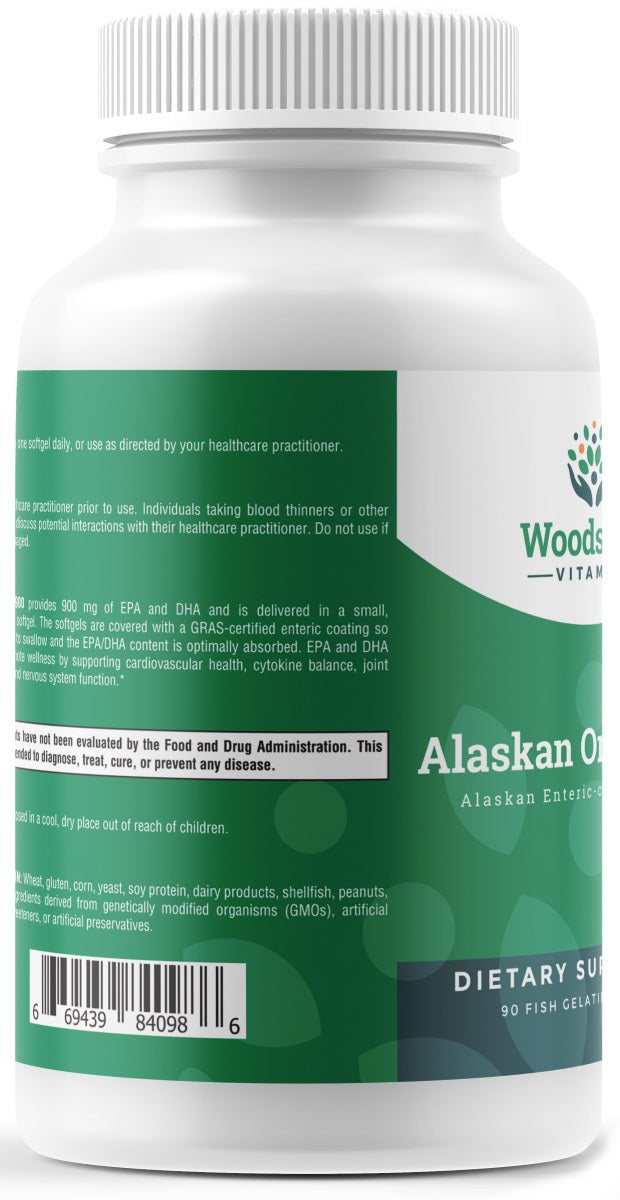
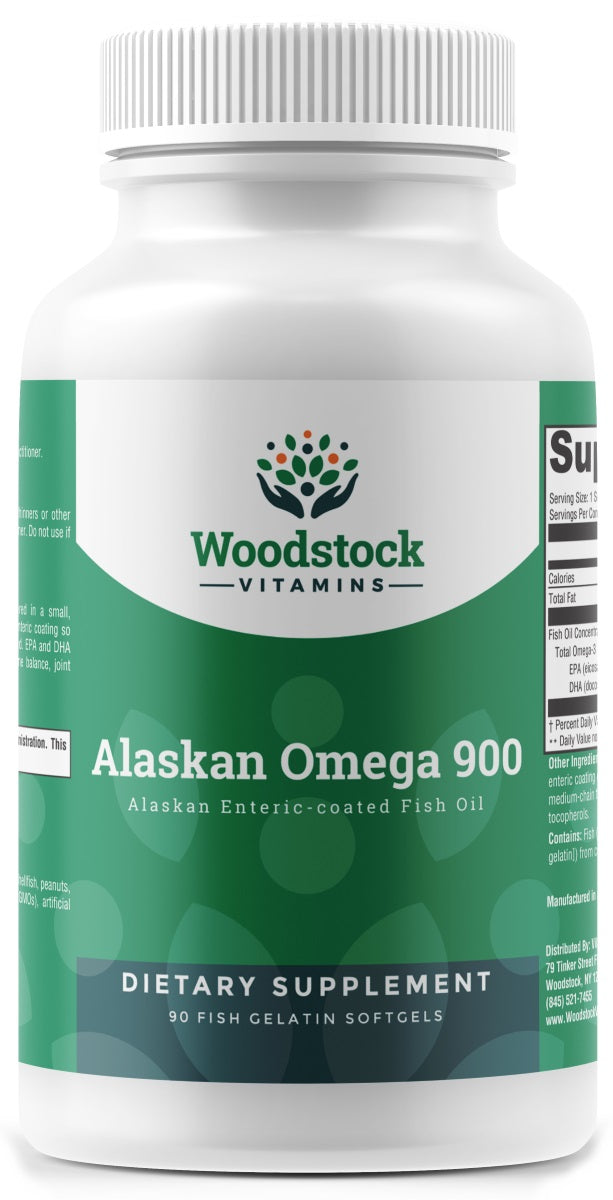
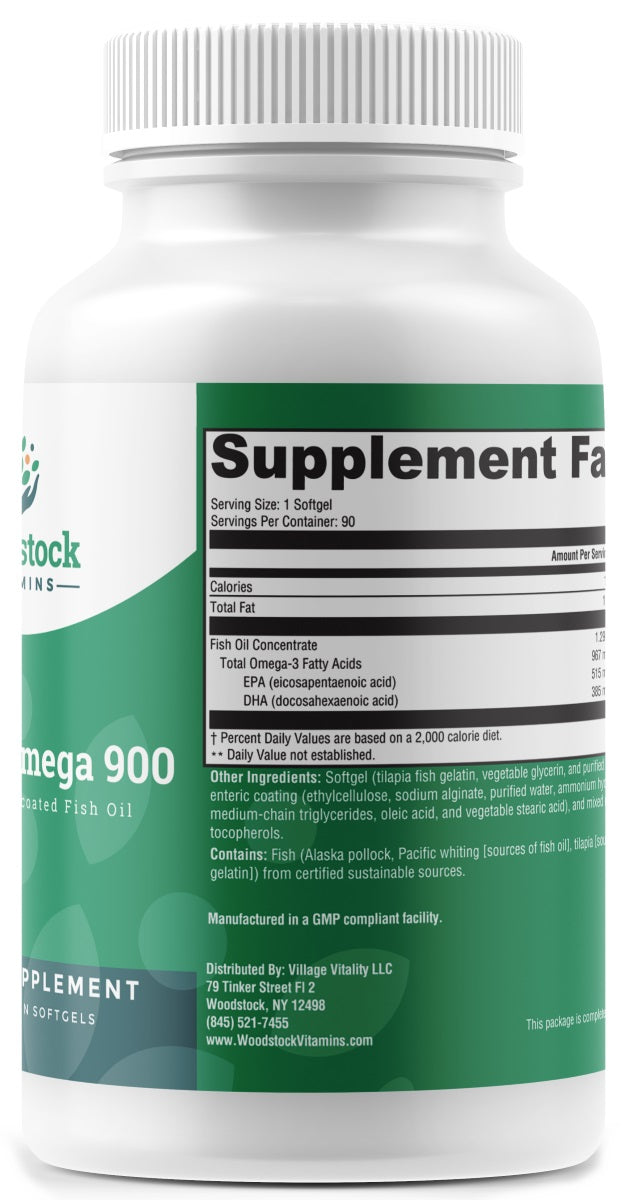
This is just one of what is now hundreds of clinical trials that have examined the efficacy of omega-3 for anxiety symptoms. If you need another more recent and robust example, though, spend some time with this meta-analysis! In it are 19 trials with a total of 2240 participants from 11 different countries.
The results? Unequivocal. (Or as unequivocal as modern science can be.) Omega-3 supplements? Labeled with the highly esteemed sentiment: Might be effective in treating anxiety in clinical settings.
Learn More: Omega-3 Supplements: Are They Worth the Hype?
2. Probiotics for Gut-Brain Health
The gut-brain axis has become a bit of a buzzword (buzzphrase?) in recent years, and for good reason. Modern examinations of the relationship between the digestive system and cognitive function have revealed the fact that we Westerners don’t know jack crap about how the body works.
One notable discovery that encouraged an influx of controlled trials and cultural tribulations showed that 95% of serotonin, the so-called happiness chemical, is produced in the gut. So much for the mind-body dichotomy we founded our entire society on!
Companies quickly used this as a marketing tactic for probiotic supplements, which are capsulized versions of the friendly bacteria we have growing in the canals of our GI tracts. But where does the clinical research stand?
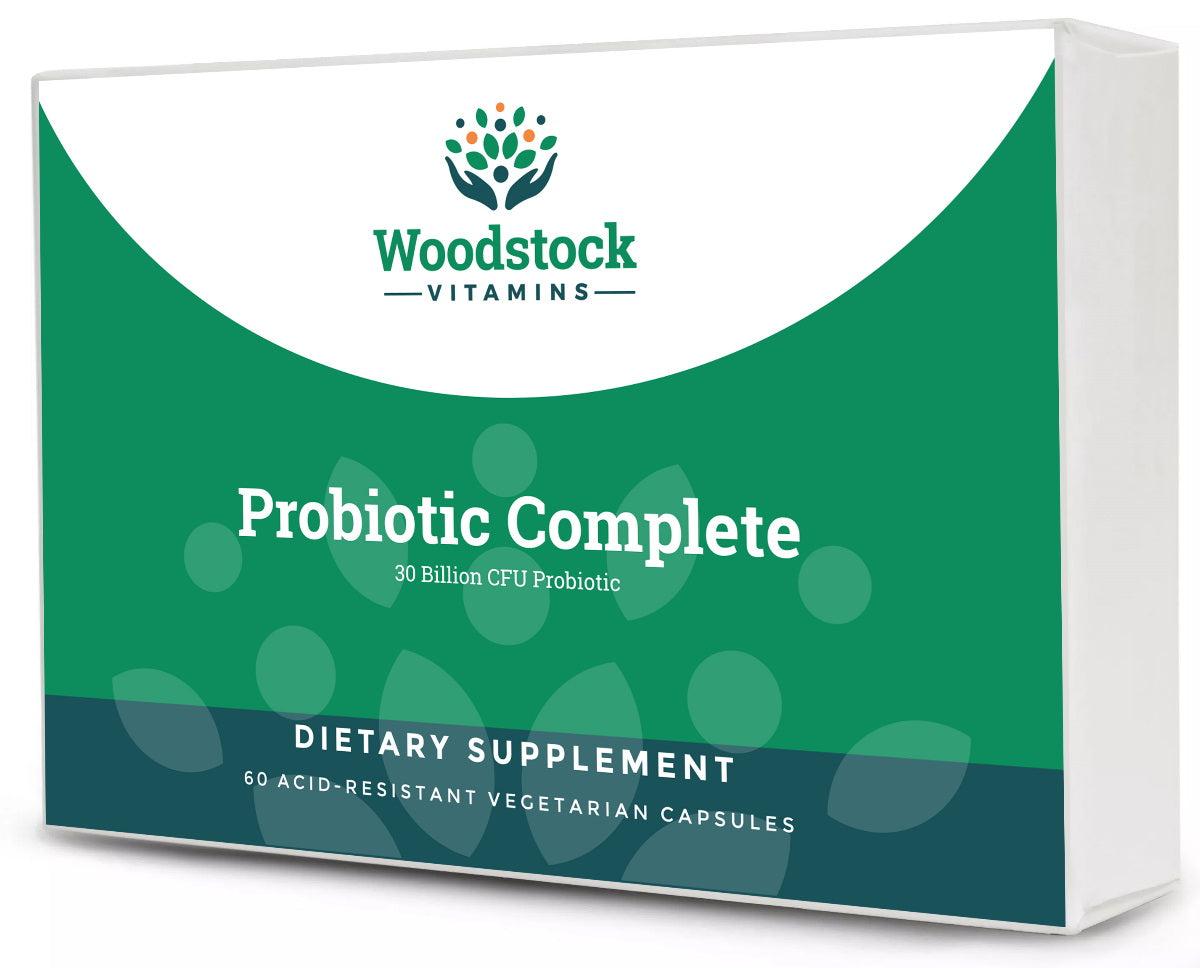
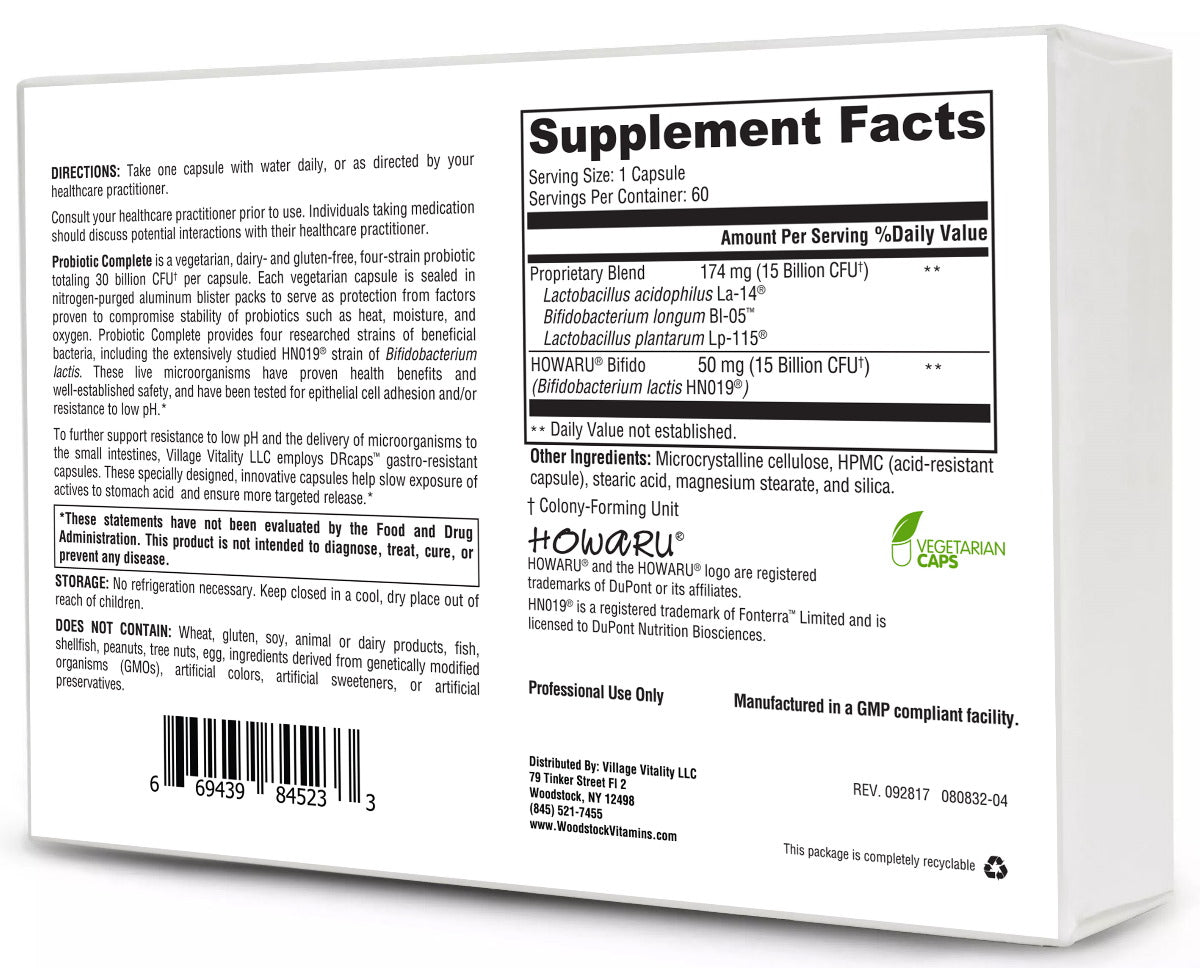
One month-long study from 2017 took a collection of healthy volunteers — sans diagnosed mental health symptoms — and gave half of them Diazepam and the other half a probiotic supplement.
The reduced cortisol levels and improved psychological conditions of the group that took probiotics showed the supplement has a similar degree of influence on anxiety as Diazepam, a common anti-anxiety medication with a laundry list of side effects, depression and fatigue included.
Because probiotics can positively impact the health of gut microbiota and, in turn, balance two driving factors of mental illness — dysbiosis and inflammation — they’re shaping up to be a promising option for addressing anxiety.
Learn More: The Gut-Brain Connection: 3 Holistic Tips for Optimal Health
3. Vitamin D Supplements for Anxiety
We know what you’re thinking, and yes, vitamin D is typically included in the bone support category of the Vital5. But know this: the scope of the sunshine supplement’s sway over your health goes far beyond the skeletal system!
Hence why it was already featured in this previous blog on supplements for depression. It bears repeating that vitamin D plays a critical part in neurocognitive functioning and that the vast majority of Americans aren’t getting nearly enough of it.
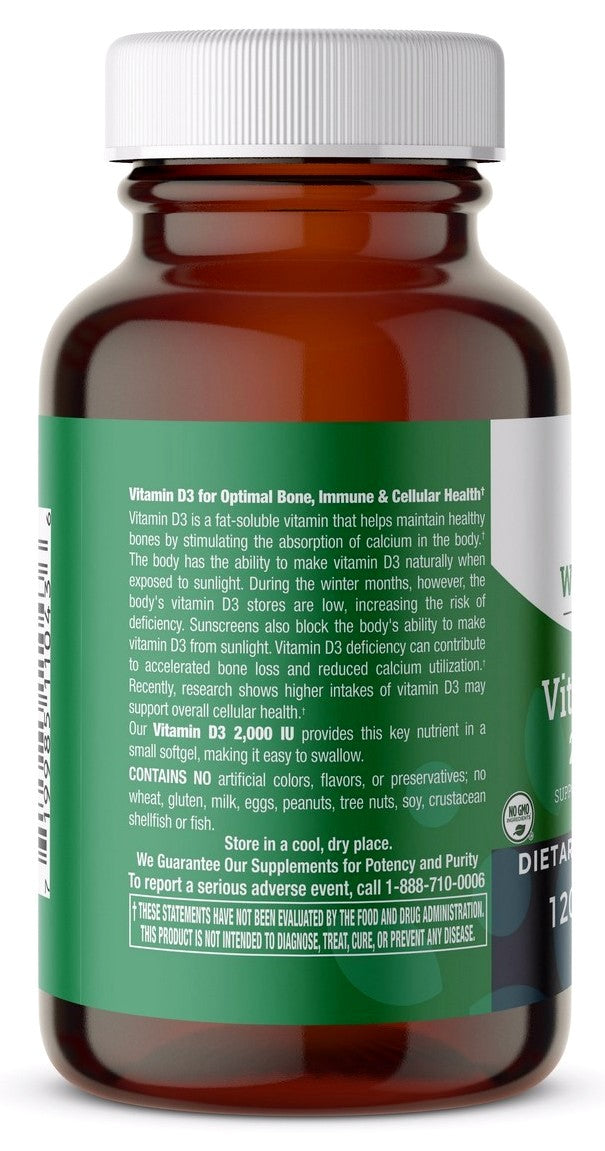
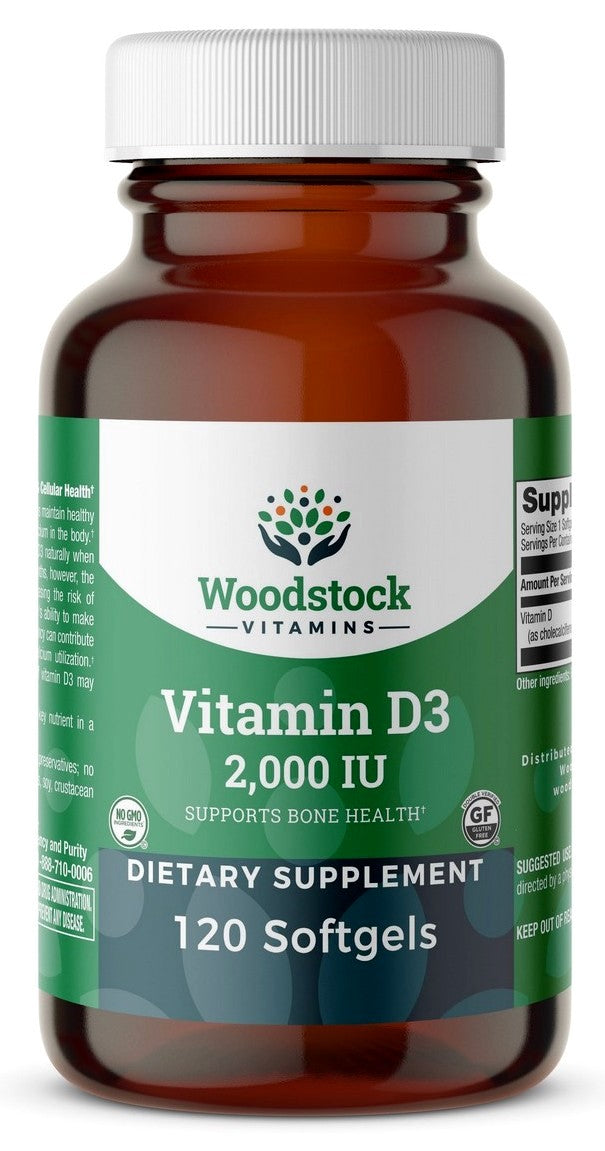
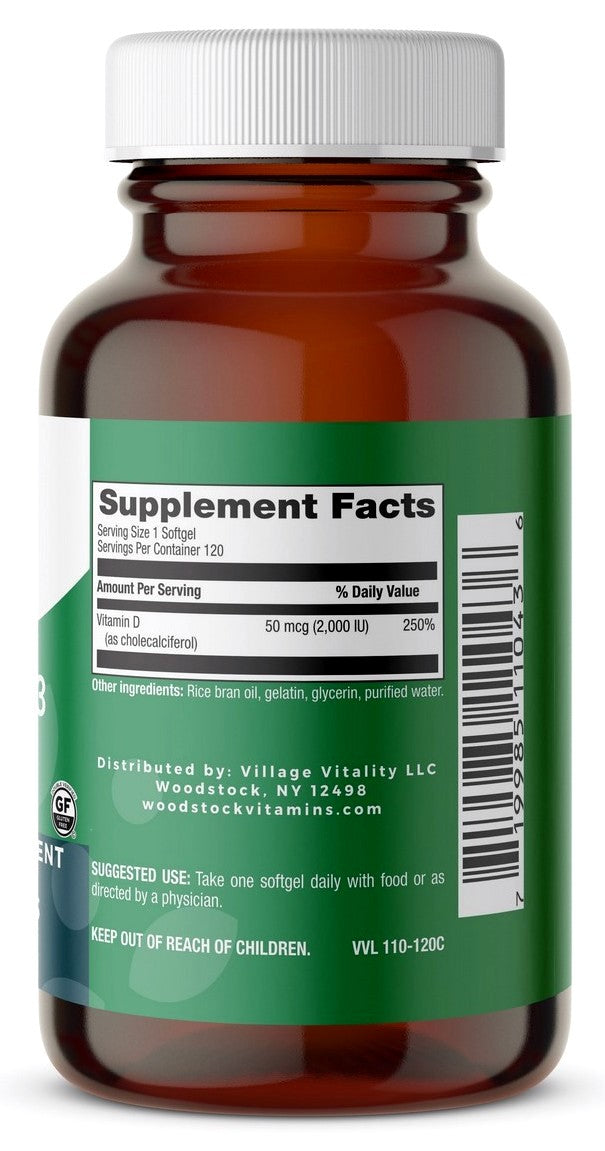
As in 95% of us are deficient in vitamin D. Which is especially gross considering vitamin D deficiency can manifest in a multitude of unpleasant or else downright unbearable symptoms — anxiety is just one of many.
For example, a recent study with over 2,000 healthy participants observed a connection between vitamin D deficiency and a reduction in brain volume. However, a fringe benefit of these findings on neurodegeneration is that they may offer a more complete picture of why low vitamin D levels have also been traditionally associated with increased symptoms of anxiety.
So it’s starting to look like there’s a two-way street running between vitamin D and mental health symptoms. Scientific evidence has shown that vitamin D has antioxidant, anti-inflammatory, and neuroprotective properties, meaning it “may act in a similar manner to classic antidepressants.”
Plus vitamin D inhibits inflammatory cytokines that can have negative effects on neurotransmitter systems and have been linked to anxiety spikes. Is this why clinical trials are showing the beneficial effects of vitamin D on anxiety levels at an ever-increasing frequency?
Maybe! All we know is we’re not going to get caught out as one of the 95% of Yankees with vitamin D deficiency any time soon.
Stop Blaming Your Brain, It’s Doing Its Best
Moral of the anxiety-ridden story: There’s a lot going on below the surface of your symptoms.
Nutritional deficiencies, crappy sleep, lack of exercise, environmental toxins, and more can all play a role in creating or exacerbating anxiety. While the latter lifestyle changes take effort and patience to reap the rewards, at least we can address nutritional deficiencies simply and efficiently with high-quality supplements!
Plus, if the thought of a phone call doesn’t make you want to keel over, you can chat with one of our supplement experts for free anytime via Counterside Consult.
Just don’t forget that professional mental health care and pharmaceutical interventions are also integral facets of a whole-picture approach, okay? Because frankly, we anxious Americans need all the help we can get.
Are there, and this is not a rhetorical question, people alive in modern America who aren’t depressed?
Despite having no real-world evidence to support this claim, we’ve heard they exist. So if you are one of the rare ones with a pleasantly placid nature (or even, heaven forbid, a zest for life)… Then please move along.
This blog is not for the elated elite, it’s for the masses — the 99% of us contemporary humans living through unprecedented times and uncomfortable or else debilitating depression.
Now that those mythical creatures have gone on their merry way, let’s get down to business.
For people with depression — be it in swings, slogs, or slow-burning smolders — the light at the end of the tunnel can, at times, seem bleak and out of reach. Our options, as told by the mainstream, are medication or meditation, both of which are inaccessible to many sufferers.
Is there a middle path? Are there things we can do to alleviate depression without health insurance or heaps of external support?
We took these humble inquiries to Dr. Neal, our resident Wellness Wizard who has, himself, experienced mental health difficulties. (Celebrities — they’re just like us.) His answers, while backed by clinical research and cutting-edge science, might still surprise even the most jaded members of our community.
Turns out, there are nutritional deficiencies that can cause or exacerbate symptoms of depression, and we can address them through supplementation and lifestyle changes. All that and more waits below, so read on, fellow doom-scroller.
In This Article:
- What to do before taking supplements for depression
- Vitamin D and its role in mental health balance
- B vitamins for depression
- One critical mineral you might be missing
The Wellness Pyramid for Depression: Started at the Bottom, Now We’re Here (Still at the Bottom)
But wait! Before we dive into the depths of depression and the supplements that can be our buoys, we’d be remiss not to recap our recent blog on wellness practices for mental health.
Because supplements can support a balanced brain, but they work best when they’re supplementing an otherwise healthy lifestyle. (See? It’s even in the name.) Diet, exercise, sleep, stress management, and our external environment all affect our personal experiences of life — physical and emotional alike.
No amount of vitamin D or Prozac can pull you out of a depressive slump if you’re not drinking enough water. Or sleeping well, exercising regularly, managing your stress levels, and eating nutrient-dense food.
Point blank.
So we start at the bottom of the Wellness Pyramid, working with the lifestyle factors that are within our control. Before we shell out our cold, hard cash for quick fixes and so-called miracle cures.
We might be depressed, but thanks to modern science, we’re not easily swindled anymore.
Learn More: Supplements for Anxiety: Do They Work?
How Do Supplements Affect Mental Health?
Once we’ve optimized the five lifestyle domains that make up the foundation of our overall health and wellness, then and only then do we move on to strategic supplementation. But before we start taking horse pills and black-market herbs, it’s also important to understand how supplements can magically improve mental health.
Or more accurately, the fact that they don’t.
Supplements aren’t any more one-a-day miracles than SSRIs. They don’t perform witchcraft or wizardry in your body, despite what the charlatans of the natural health industry might tout.
On the contrary, supplements simply fill nutritional gaps. It’s the nutritional gaps, or lack of adequate nutrient intake, that affect our mental health. Because our bodies need nutrients to survive, let alone thrive, and without them, functioning declines.
So, when our bodies are low, our brains are too. And that, friends, is because the distinctly Western dichotomy between mental and physical health is entirely false. Supplements can address those nutritional gaps, or prevent them from forming in the first place. But they aren’t inherently enchanted capsules.
They’re our modern-day solution for the modern-day issues that cause nutritional deficiencies. (À la nutritionally bankrupt food or things that deplete nutrient levels, like poor sleep, constant stress, and some medications.)
Learn More: 4 Mental Health Myths Debunked: Understanding the American Mental Health Crisis
3 Supplements for Depression That Are Backed by Science
Now you’ve been properly disillusioned! So here’s the low-down on 3 nutritional deficiencies that can cause or complicate depression. Plus, the very best, bioavailable supplements to up your intake.
1. Vitamin D and Depression
- Recommended Form: D3, or cholecalciferol
- Recommended Dose: 1,000-2,000 IU per day
How’s this for a terrifying statistic? 95% of Americans are deficient in vitamin D, according to a recent exploration from the National Health and Nutrition Examination Survey committee.
People with depression typically have lower serum vitamin D levels, as recent clinical research says. And the people with the lowest levels have the highest risk for depressive symptoms.
Additionally, vitamin D deficiency in adults has been linked to the presence of active mood disorders, while prenatal deficiencies are associated with an increased risk of developing both ADHD and schizophrenia.
But we’re talking about depression in this blog, so let’s take a look at the two-way street that is the relationship between vitamin D and the emotional pits of despair.
We know that having low levels of vitamin D means you’re more likely to experience depression. However, studies on the efficacy of using vitamin D as a treatment option are still considered scattered, despite this clear connection between low serum levels and depressive symptoms.
One that has gained notoriety in recent years is this one that showed how vitamin D supplementation positively impacted symptoms of depression. And there’s this one, in which a significant improvement in well-being over time was found following vitamin D supplementation.
So while there’s a slim chance that you’re one of the 5% of Americans who aren’t deficient in vitamin D, why risk it?
Learn More: Vitamin D: Sunshine Supplement for Bones, Blood, and The Blues
2. B Vitamin Supplements for Depression
- Recommended Form: A comprehensive, methylated complex
- Recommended Dose: 1 capsule per day
The wellness world has been abuzz about B vitamins for quite a while now, proliferating products that can boost brain health, beef up cognition, battle fatigue, and balance emotional well-being.
Thanks in part to this popularity, studies on B vitamins and their impact on depression are churning out faster than you can list all the micronutrients in a bottle of B-complex. Deficiencies in certain B vitamins have been shown to directly increase the risk and incidence of depression, for example.
A recent study that combined key B vitamins — folic acid, B1, and B12 — with vitamin D affirmed the inverse relationship. This research demonstrated significantly decreased depression symptoms following supplementation, including partial or complete remission in some patients.
Looking at a few of the unique players in a B-complex formula, it becomes quite clear why maintaining optimal levels of these micronutrients is crucial for people suffering from depression.
How B Vitamins Affect Mental Health
- Vitamin B12. Vitamin B12 is a critical cofactor for the synthesis of neurotransmitters, and low B12 levels are associated with a higher risk for depression and other psychiatric difficulties. In a meta-analysis that reviewed numerous studies on B12 and depression, the results showed that early supplementation of B12 can delay the onset of depression symptoms and bolster the effects of anti-depressants.
- Folate (B9). Folate, like B12, is needed by the brain to properly synthesize neurotransmitters, and as such, many people with depression have low folate levels. As a stand-alone therapy and as an adjunctive therapy, studies on folic acid revealed reduced depressive symptoms in people following supplementation. It has also been shown to improve cognitive function and lower depressive symptoms in patients with depression and alcoholism.
- Vitamin B6. Also known as pyridoxine, B6 has a “significant modulatory impact” on serotonin and GABA. Supplementation of B6 can improve GABA levels, which can help cultivate feelings of calmness, resulting in lessened symptoms of both depression and anxiety.
- Thiamin (B1). Thiamin deficiencies can appear as a broad range of neurological symptoms and psychiatric conditions in children, from anorexia and agitation to irritability and lethargy. A study on patients with depression showed that those with low blood levels of thiamin had more severe symptoms of depression, and another revealed significantly improved symptoms after 6 weeks of supplementation.
3. Magnesium and Its Effect on Depression
- Recommended Form: Chelated mineral complex
- Recommended Dose: 400-1,000mg per day
Are you sick of hearing about magnesium yet? We’ve talked about this miracle mineral in several recent blogs, sharing the benefits of magnesium supplementation on brain health, muscle repair, sleep quality, and beyond.
And we’re not done yet.
Magnesium plays a role in over 300 enzymatic processes throughout the body. And yes, this includes the brain, where it “harmonizes” nerve signals and protects the blood-brain barrier. Chronic stress has been shown to drive down blood levels of magnesium, creating deficiencies that can lead to agitation, anxiety, sleeplessness, headaches, confusion, and more.
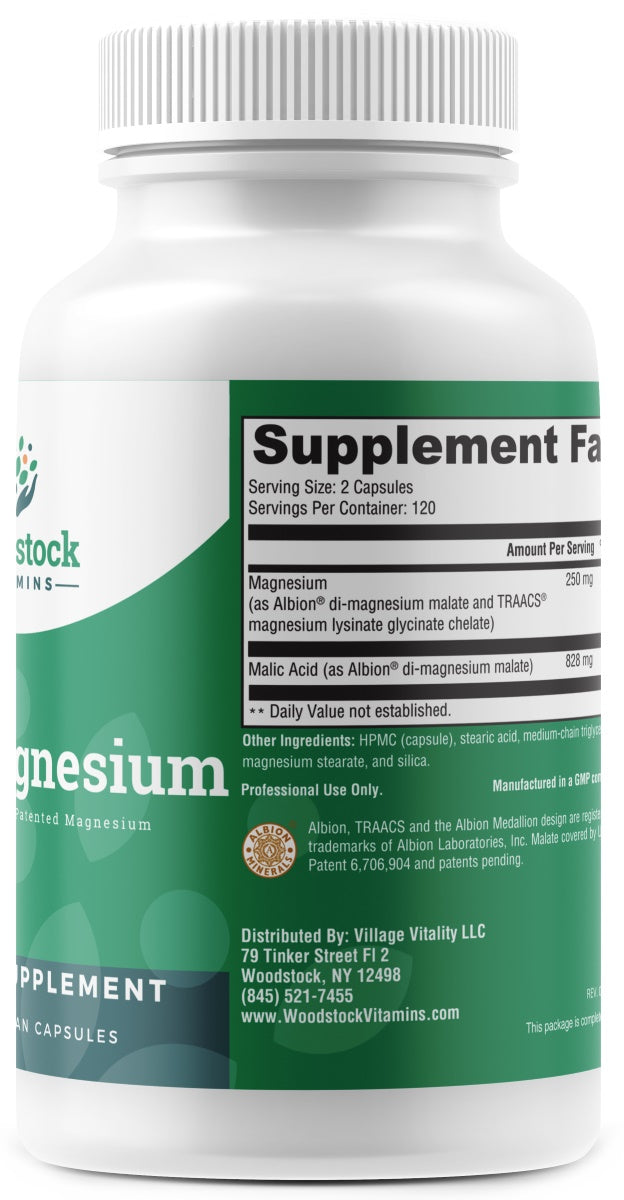
Low levels of serum magnesium, like that of B vitamins and vitamin D, are associated with depressive symptoms, as well as ADHD and Autism Spectrum Disorder.
Magnesium supplementation, while still considered a nascent treatment for depression, has had promising results in a number of case studies and clinical trials. One of the former reported rapid recovery from Treatment Resistant Depression following supplementation, and other randomized clinical trials have been able to replicate beneficial effects on a larger scale.
In the clinical trial, subjects reported lessened symptoms of depression after just two weeks of supplementation, regardless of severity of depression, baseline magnesium levels, use of antidepressants, age, or gender.
Which begs the question, are we taking this humble mineral for granite?
But Don’t Throw Out Your Anti-Depressants
If you’ve made it this far in this boat-rocking, holistic approach to depression blog without becoming so irate you can’t read… Then we probably don’t need to explicitly share these caveats. But we will, just in case.
First: The exciting, worldview-challenging results of the clinical research shared here are not, under any circumstances, an encouragement to throw out the baby with the bathwater. Pharmaceutical and professional psychological interventions for depression are still valid, necessary, and even life-saving, in some circumstances.
That, and, if you’re too depressed to start with the foundational steps of the Wellness Pyramid, we’re not going to stop you from jumping right to taking vitamin D. Incremental progress via supplementation might just be the thing you need to be able to address sleep, diet, exercise, stress, and external factors contributing to your mental health.
So don’t block your doctors or quit your SSRIs cold-turkey, okay? Take what works for you and leave the rest. And if you need a shoulder to cry on or a strategic mind to help you find the supplements for depression that will work best for you, give us a call.
If you ask holistic health advocate and notorious boat-rocker, Dr. Neal, the last two weeks of the year should be a national holiday.
Instead of jam-packing our already jam-packed festivities with overwrought productivity and additional stress, we should do absolutely nothing. Except maybe have a Lord of the Rings marathon or snuggle up to a good book. Midday naps are okay, too.
But don’t get us wrong! We’re not saying you should just rest until January 1st and then jumpstart your life as a new, shiny person.
In fact, we’re pretty anti-resolutions around these parts. New Year’s promises and proclamations usually fall flat by February, leaving us guilt-ridden and feeling gluttonous. Is there a way to side-step this annual angst? We asked Dr. Neal, and his clinical psychologist friend Dr. Lawrence Dresdale, for the psychological low-down on setting goals that stick.
The answer? Setting a New Year’s vision, instead.
Read on to learn more from both practicing experts — why resolutions suck, how to create sustainable change, and a 5-point plan for actually accomplishing your vision for 2024.
In This Article:
- 3 reasons New Year’s resolutions are damaging
- Why and how to set a New Year’s vision
- Establishing your 5 steps to accomplish your 2024 vision
Why We Hate New Year’s Resolutions
A quick disclaimer: We’re not against people setting goals, pushing to new heights, or continuing to evolve. That stuff is great!
It’s not a bad idea to make a commitment to ourselves for positive change, but we have to do it in a way that’s realistic and actually works instead of being like, ‘Okay, I’m gonna be a completely different human being right now.’
Dr. Lawrence Dresdale
But the reality is that our modern framework for creating change doesn’t…really work. That’s why your gym is empty by Valentine’s Day and why your summer bod hasn’t magically arrived by June. Not only does the New Year’s resolution approach leave a lot to be desired, but it goes against human nature in ways that can actually be damaging.
1. Because Humans Stink at Long-Term Change
While it might sting to hear, understanding how the evolution of the human brain didn’t prioritize big-picture and long-term thinking can be really freeing.
You see, in our early years, we were busy making quick, moment-to-moment decisions to survive. Like, “Should I throw a spear at this sabertooth tiger or should I run?” Not, “Should I buy a bunker for the impending climate apocalypse or should I keep investing in my Roth IRA?”
The former kind of decisions yielded immediate consequences or benefits, and so our brains adapted their wiring for this short feedback loop of action and reaction. When a decision, change, or development is positioned far in the future and requires consistent effort without instant results, we hate it.
It doesn’t work for our brains because our brains simply don’t work like that. So no, you’re not lazy or lacking ambition — it’s biological. Freeing, right?
2. Because The Marketing Machine Benefits from It
But as the contemporary American escapes one trap, they’re caught in another! Modern marketing tactics use every psychological trick in the book — including this one on short-term results vs. long-term change — to influence millions of people for one goal and one goal only.
Profit.
Even incredibly intelligent or relatively discerning people can fall for marketing schemes when they leverage the deeply entrenched patterns of our fallible and fragile human brains. Because even if you know, logically, that major goals take time to accomplish, the emotional part of the brain says, “Yeah, but I still want it right now.”
That’s why, as the Christmas ornaments are tucked back in their snug little boxes, millions of dollars are made on weight loss pills, detox programs, repentant supplements, fitness courses, et cetera.
Scores of smug influencers and so-called wellness companies line their pockets by promising us results so instant our lizard brains can’t resist.
3. Because It’s Just Not Natural
Every section of the calendar has its respective sales schtick in the wellness industry. Spring is time for allergy support supplements, summer for sunscreen and glowing skin, fall for cough and cold herbs. New Year’s sales and services are driven by this narrative, too, despite the fact we could just as easily begin our lives anew today as the first day of our human-created year.
But that wouldn’t be very helpful for the companies who need to keep profits up after the gift-buying frenzy of December, now would it?
What came first — our desire to get ‘back on the rails’ after the holiday season, or the marketing engine that sells magical products that we absolutely need if we want to feel better about ourselves after ‘indulging’?
Dr. Neal Smoller
This kind of fabricated urgency created by companies and influencers is inspiring at first, but it doesn’t lend well to longstanding change. After your credit card has been swiped, the buzz starts to dwindle because this kind of external motivation is like our own fickle whims: short-lived.
Set a New Year’s Vision Instead: Getting Started
So when we set goals based on momentary motivation from external (and typically profit-driven) sources, we’re actually setting ourselves up for failure. Then, as these new habits and hobbies inevitably fall off, we label ourselves as just that: Failures.
Maybe you disagree, but we don’t think we need any more reasons to lack self-trust or feel like capital-l Losers. We have enough already.
That’s why Dr. Neal‘s psychology-backed structure for creating a New Year’s vision is such a welcome relief. Rather than prioritizing outcomes or getting attached to expectations, a New Year’s vision allows us to work towards our ideal selves slowly, sustainably, and safely. But it does require a mindset shift to integrate something so contradictory to our current paradigm.
Keep these 3 things in mind before you dive into creating your perfectly personalized New Year’s vision:
1. You’ll Need to Get to the Heart of the Matter
It’s time to find what really, truly, genuinely moves you. If you’re trying to lose weight in 2024, then “because I want to look hot,” isn’t going to be the motivational mantra that gets you through the months of hard work with no results.
“I want to live long enough to watch my grandchildren grow,” on the other hand, is the kind of deep-rooted, galvanizing truth that can drive change.
2. You’ll Have to Adjust Your Expectations
When you first begin working towards a goal or building a new behavior, you’re going to have to give maximum effort for minimum return. There won’t be any dopamine-boosting animations to reward you for the small accomplishments — unless your only goal is to master Spanish on Duolingo, that is.
The good news is that, if you stick with it, you’ll eventually reach a point in the learning curve where you’re putting in less effort and seeing more results. And, if you go into this evolution of self expecting hard work, you won’t be as disappointed when you’re actually doing the hard work.
3. You’ll Have to Track Your Progress
Sometimes, when July rolls around, we’ve abandoned our New Year’s resolutions not because we’re unmotivated or complacent, but because we simply forgot about them.
All this is to say that, well, we don’t remember sh*t. Especially good sh*t, like making small, incremental changes that propel us ever further toward our objectives. That’s a big part of why long-term change is really difficult — day to day, it often feels like we’re making no progress at all.
So keep a journal, okay? Or at least a note on your phone. Review your days, weeks, or months, and actually write down the positive steps you’ve taken.
Create a New Year’s Vision You Can Actually Accomplish
Okay, enough with the lofty dreams of perfect physiques and uninterrupted mindfulness. It’s time to get into the nitty-gritty of creating a New Year’s vision that works for you, specifically.
Following Dr. Neal’s framework, we’re going to ask ourselves two imperative questions to lay the groundwork for the New Year’s vision:
- What is it I want to do/be/accomplish by the end of this year?
- What are the 5 actions I must take consistently to do/be/accomplish that?
Because, first, we have to establish the long-term goal, even if our brains hate it. But directly after that, — by defining the 5 actions we need to take daily, weekly, or monthly to reach our vision — we effectively reduce that long-term goal into 5 short-term ones.
These 5 actions should be measurable and tangible if we want to work with human psychology instead of against it. They should also be objective, or as objective as we can get, so you can say without a shred of doubt, “If I do these 5 things, I will have reached my vision.”
Set yourself up for success with these objective objectives by, like we done said already, getting to the heart of your goal, establishing realistic expectations, and tracking your progress.
Continuing with our weight loss example, that looks something like:
- Swapping “I want to lose weight,” for “I want to lose 15 pounds over the next year.”
- Defining your motivating factor, ie, wanting to watch your grandchildren grow up.
- Delineating the 5 tangible actions that, if done, will result in your vision.
- Writing down each time you accomplish one of those 5 actions.
- Continuously reflecting on your daily, weekly, or monthly progress.
And here’s one final pro tip that you might not have been aware of — you don’t have to do this alone. As long as it’s not during the last two weeks of the year, you can give our team of holistic health experts a call any time you need personalized advice for this journey.
Our Counterside Consults, believe it or not, are always free.
Thanksgiving is right around the corner, so if ever there was a time to radically change your diet…Now is not it.
We repeat: Now is not the time to drastically alter your diet and eating habits.
If you were expecting this blog to be a diatribe on all the foods you should be cutting out, this might come as a surprise. For seasoned readers, the fact we walk the middle path of wellness in the realm of food won’t be shocking.
Dr. Neal — our founder and resident wellness wizard — has a balanced approach to holistic nutrition, based on both the reality of the clinical data available and that of human nature. Does that mean you shouldn’t stop eating gluten? Not necessarily.
It just means that removing a major part of your diet, limiting your nutrient intake, or changing your gut microbiome just before the biggest feast of the year might not be sustainable or healthy.
Instead, you can learn how to enjoy your food consciously and be a discerning shopper by building a strong foundation of nutritional education. Sound appetizing? Scroll on, fellow wellness seeker.
In This Article:
- How diet factors into overall health and well-being
- Dr. Neal’s dietary Jenga analogy
- Eating to fuel your fire
- Improving food quality
The Wellness Pyramid: Diet’s Role in Holistic Health
Fad diets, falsified facts, and fanatical fasting have been the central focus of the wellness world for some time now, and for good reason, too. The diet and nutrition arena of holistic health is where we can see some of the most profound changes in our quality of life.
That, and the fact that the natural health landscape is a trillion-dollar industry — there’s a lot of money to be made on food marketing and fear-mongering.
So let’s cut through the chaos of misinformation and establish a scientific framework for diet via our favorite nifty tool: Dr. Neal’s Wellness Pyramid.
Diet, an integral part of a healthy lifestyle, finds its home at the base of the pyramid.
A nutrient-dense, diverse, filling, and fulfilling diet is foundational to overall wellness. Full stop. And yet, it’s only 1/5th of the 5 lifestyle domains that make up the pyramid’s largest section.
Why?
Because, as much as we hate to say it, even the best diets can have some unsavory side effects if not approached correctly. It doesn’t matter if you drink bone broth every day if your bone broth research is keeping you up at night.
It doesn’t matter if your fridge is filled with local meats and fermented treats if your mental health suffers from the stress of food sourcing.
We have a distinctly perfectionist — or else, defeatist — attitude towards diet here in America, and it’s worth reminding that it’s never really black-and-white. Exercise, sleep, stress management, and external lifestyle changes are still crucial parts of our wellness routines alongside diet.
To boil it all down: Take your diet seriously, but don’t go so bananas that you forget to care for yourself in other ways, too.
Dietary Jenga: Understanding What’s Actually Important in Holistic Nutrition
To avoid putting all your wellness eggs in the diet basket, Dr. Neal formulated another exceedingly nifty concept for approaching nutrition.
(Thanks for that, Dr. Neal!)
The concept, if you missed the title of this section and this episode of the podcast, is called dietary Jenga. We know what you’re thinking though, and no, this isn’t the perfect time to educate your family on food quality via a friendly game of Jenga.
Dietary Jenga is a visualization tool and road map for navigating the overwhelming concept of nutrition. If you’ve played the game IRL before, then you know that the fun of Jenga lies in making risky moves — pulling out structural blocks from the tower’s base with fearless finesse.
In dietary Jenga, we don’t actually want to threaten the strength of the tower, as it represents our health and our lives literally depend on it.
Instead, we start at the bottom — like in the Wellness Pyramid — staying at Levels 1 and 2 for as long as it takes. This allows us to construct a robust, well-built foundation for food, eating, and fueling our fires.
Level 1: Education & Re-Education on Holistic Nutrition
General information, definitions around what’s healthy and what’s not.
Remember all that conflicting information on healthy eating we mentioned? Sifting through it to find grains of scientific truth is no small feat. That’s why education — and yes, re-education for the health experts, too — is the first level of dietary Jenga.
We have to learn the basics. We can’t take our black belt test if we don’t know how to do a roundhouse.
Dr. Neal Smoller
The best part about this level of the sustenance game doesn’t have to be complicated. We can get into organic vs. non-organic, GMOs, grass-fed, and all that jazz down the road, but this part of the journey is easy as pie.
Here in Level 1, the basics to focus on are:
- Healthy Food: Is rich in at least 1 of the 3 crucial and nutrient-dense macros — proteins, healthy fats, and complex carbs.
- Healthy Meals: Look like a balanced blend of all 3 macronutrients — 50% complex carbs, 35% protein, and 15% healthy fat.
- Healthy Snacks: Are, essentially, a small meal — they should also be a combination of proteins, healthy fats, and complex cards.
Don’t be fooled by the simplicity of these healthy foods and meals, though. Eating well is, indeed, very straightforward, but as Dr. Neal always says: It’s simple, not easy.
Level 2: Eating to Fuel Your Fire
Overcoming timing and lifestyle challenges to healthy, regular eating.
So healthy snacks are small meals, healthy meals are big snacks, and healthy food has something to offer macronutrient-wise. Not so hard, right?
The next hurdle is timing your meals and snacks for optimal energy levels, brain functioning, and metabolism. A truly healthy day of eating typically follows this kind of pattern: Small, frequent meals with snacks every few hours.
And yes, we know, nobody has time for that.
The hardest work is the work around our behaviors. At some point, we have to put our foot down and stop the “go-go-go” mentality we’ve built. We need to slow down, or at least adopt new behaviors that help us do what’s most important, best caring for our own health.
Dr. Neal Smoller
In our fast-paced world of constant productivity and instant gratification, stepping back to prepare and enjoy your meals (and snacks!) every day is actually pretty radical. That’s why we recommend staying in Level 1 and Level 2 for as long as you need.
It’s no easy thing to rewire your enculturated, psychological connection to food. And yet, shifting your view to see food as vital fuel for a happy life instead of a nuisance is…not really negotiable.
Here’s a protip: Don’t go to bed at night without planning your meals and snacks for the next day. By doing so, you can address the biggest obstacle for most of us in nutrition success: our busy lifestyle.
Dr. Neal Smoller
And, to soften the blow of Level 2 a little more, here’s a list of our favorite healthy and easy snacks. Swap fruits, veggies, and dairy options for your preference, and don’t forget to chew your food.
- Nuts and Fruit(s) — add a square of dark chocolate, too!
- Peppers with Guacamole
- Greek yogurt and berries
- Apple slices with nut butter
- Celery and nut butter (A classic!)
- Cottage cheese with flax and berries
- Kale chips and nuts
- Hummus with veggies for dipping
- Mozzarella stick with fruit or veggie (Like cherry tomatoes!)
- Black beans with veggies
Learn More: The Truth About Intermittent Fasting
Level 3: Varying Your Diet
Getting into the nitty-gritty of holistic nutrition, food diversity, and portions.
Since you’ve, presumably, spent several weeks or months focusing on the first two levels and are now revisiting this blog, ready for the next step, welcome back! Level 3 is where we start diving into the best way to eat our healthy foods throughout our healthy days.
Remember, the bottom building blocks are the most important part of the Jenga tower because they keep it from being a heap of blocks.
Dr. Neal Smoller
For our goal-oriented friends and number lovers, this is the stage where you get to go buck-wild on your portions, calorie tracking, and macro targets. Our core focus, here, is to diversify our nutrient intake so thoroughly that we can actually just throw away our multivitamins.
But don’t get us wrong — this level isn’t an excuse to veer into perfectionism.
Rather than micromanaging the numbers associated with your food, Level 3 is about creating an awareness of your calorie and nutrient needs. And then working towards fulfilling those needs with clearly defined goals that drive you toward a diverse, delicious diet of nutritious food.
Start by introducing new foods and spices into your regular rotation of meals and snacks:
- Expand your palate with nutrient-dense spices like cinnamon, turmeric, ginger, cardamom, garlic, rosemary, parsley, thyme.
- Expose your body to new, healthy proteins with varied nutrients, like sardines, eggs, organ meats, lentils, quinoa, pumpkin seeds.
- Experiment with new fruits and veggies to fill your daily intake recommendations, like blueberries, strawberries, kiwi, grapefruit, spinach, turnip greens, Brussels sprouts, asparagus.
Keep in mind that these are general guidelines — if you already eat a bunch of grapefruit and cardamom, try branching out into even more rare foods like goji berries and kefir.
And here are those numbers we were chatting about at the beginning of Level 3 — no we didn’t forget about them. The digits you should be paying attention to aren’t just on the scale:
Dietary Protein
- General Daily Recommendation: 0.8-1.2 grams of protein per kg of body weight
- Dr. Neal’s Recommendation: 1 gram of protein per kg of weight per day.
Fluid
- General Daily Recommendation: 8 glasses, or 64 ounces of water per day.
- Dr. Neal’s Recommendation: Half your body weight in ounces per day, accounting for dehydrating activities with an additional 8 ounces each.
Dietary Fiber
- General Daily Recommendation: 21-38 grams of dietary fiber daily.
- Dr. Neal’s Recommendation: 30 grams per day.
Saturated Fat
- General Daily Recommendation: 5-10% of your daily calorie intake.
- Dr. Neal’s Recommendation: As close to 0% as possible.
Calories
- General Daily Recommendation: 2,000 calories a day for women and 2,500 for men
- Dr. Neal’s Recommendation: Use a calculator like this one because calorie needs are age, gender, height, weight, and activity-level dependent.
Level 4: Quality Control
Prioritizing higher quality foods from ethical and reputable sources.
Some people feel that we stress too much about the quality of food and that most of the information out there is really just marketing to sell higher-cost stuff to rich people.
I’m sure there’s a bit of that happening, but we also know the food supply chain is as American as ever. Meaning it’s optimized for profit, not our well-being.
Dr. Neal Smoller
But before anyone panics, let’s simmer down, take a deep breath, and review our previous agreement to not be crazy perfectionists about our food.
We can, with a nuanced approach, begin to improve the quality of our foods without going as nutty as a fruitcake. There’s already a big jump from gas station chicken to grocery store poultry — to steal one of Dr. Neal’s favorite quips — so if you’re not shopping at Circle K, you’re already doing great.
The kernel of truth to keep at the front of your mind on Level 4 is: progress is progress no matter how small.
So let’s break down the steps toward higher quality food intake into bite-size pieces:
Produce, Etc.
- Good: Fresh, healthy, seasonal food.
- Better: Organic, fresh, healthy, seasonal food.
- Best: Locally-grown, fresh, healthy, seasonal food.
Try your best to avoid additional exposure to pesticides, herbicides, and fungicides in your produce to lower your body’s toxin burden.
Meat, Eggs, Etc.
- Good: Non-gas station sources.
- Better: Organic, antibiotic-free sources.
- Best: Free-range, grass-fed, or pasture-raised sources.
Try your best to avoid farmed fish, unethical manufacturers, and sources that use antibiotics and hormones in their animals.
Level 5: Geeking Out
Understanding the minutiae of optimal eating and nutrient intake.
If you’ve made it this far into the world’s silliest analogy for holistic nutrition — dietary Jenga — then congratulations! Your tower is probably dang close to indestructible.
After you’ve mastered Levels 1-4 of the actually not-so-silly food reframe, you’ll be set with the information and structure you need to set attainable goals for achieving nutritional success.
If you’re here, at Level 5, and you’re ready to have your cake and eat it too, give us a call!
There’s an endless buffet of nutritional minutiae that we can dive into fork-first. Chat with one of our holistic nutrition experts via our free Counterside Consults when you’re hungry for more information on the finer details of food.
Before we dive headfirst into spooky season, there’s another holiday, albeit sugar-free, that needs celebrating first.
National Children’s Health Day!
Though it came and went on the first Monday of this month, kids’ health is perennially important. Because, well, we talk a lot about how adults can restore and regain wellness, but wouldn’t it be so much better if we never lost it in the first place?
For all things health, we turn to Wellness Wisecracker of 20+ years, Dr. Neal — also known as Super Dad to his four lovely youngsters.
By working with the limitations of childhood tastes and tempers instead of against them, we can instill rock-solid, science-backed habits that lead to long-term, whole-person health. No gummies, gimmicks, or gut-churning red dye-40 syrups necessary.
Read on to learn Dr. Neal’s core tenets of holistic wellness for kids so you can raise healthy toddlers, teens, and everything in between.
In This Article:
- The Wellness Pyramid for kids
- Diet and nutritional habits for healthy children
- How sleep and exercise impact kids
- Stress management and mental well-being for children
The Wellness Pyramid for Kids: Holistic Children’s Health
We can’t expect kids to understand the importance of wellness or get excited about the benefits of building a healthy life. Heck, most of us grown-ups still throw tantrums about exercise, diet, and sleep, too.
We can, however, expect our kids to be little sponges, mirrors, copycats. Whatever metaphor you want to use there will work — children see, children do.
So as we look at the Wellness Pyramid from a kid’s point-of-view, keep in mind that the best thing we can do for the youngins is to make these lifestyle factors a fun and easy part of normal, everyday life.
Because children are always watching and picking up on our cues, patterns, and feelings, especially those surrounding mealtime, bedtime, and playtime.
Learn More: The Wellness Pyramid: Your Roadmap to Holistic Health
1. Diet: Build Good Nutrition Habits
We know the last thing a tired, busy parent wants to hear is that they need to spend more time and effort on their kid’s meals.
But the corporations churning out plastic-wrapped foods marketed to overwhelmed parents know that, too. In fact, they bank on it… Literally. So here’s the unfortunate truth: even the greenest of the green-washed pre-packaged eats are less healthy than real food.
And, here’s the worst part — there’s a lot at stake for your kid. Children at risk for nutritional deficiencies aren’t able to perform at top capacity in school and suffer long-term in the realm of mental health.
Plus, for children with ADHD, diet can play a major role in either quelling or aggravating the symptoms of the common neurodevelopmental disorder.
The good news is that the reverse relationship between a high-quality diet and boosted mental health, improved school performance, and mitigated ADHD symptoms has been studied, too. Teaching our kids that we eat to fuel our fires can be a make-or-break factor in your child’s quality of life.
Focus on: Sharing the importance of whole, fresh foods; balancing macronutrients (carbs, fat, protein) in every meal; enjoying snacks sparingly but without guilt.
2. Exercise: Encourage Regular Movement
New parents and modern guardians might be shocked to learn this, but we used to say, “Run the kids like dogs,” to help with sleep issues. Why?
Because physical activity — exercise, movement, and play — is critical for your child’s overall health and well-being. Not only has it been linked to improved school performance and better social integration, but it can also help prevent depression and anxiety.
If you want your child to develop properly and happily, get those suckers outside. Run, jump, and play with your kids regularly, making sure to expose them to plenty of sunlight (with sunscreen!) and fresh, green grass.
(Green schoolyards and playgrounds — AKA natural spaces designed more like a park and less like a parking lot — have been shown to have a whole host of physical and emotional benefits for kids.)
So get your kiddos moving and grooving outdoors, please, the wellness of our future generation depends on it.
3. Sleep: Prioritize Restorative Sleep Patterns
High-quality sleep, that is sleep that meets the parameters for depth and duration, is one of the integral building blocks to a long, healthy life for your kid.
Luckily, one of the major side effects of enhancing your child’s nutrient intake and exercise frequency is better sleep. And, when our kids sleep better, we all sleep better!
On the other hand, getting inadequate sleep can increase the risk for long-term health issues — mental and physical. The consequences of insufficient sleep in kids range from impulsivity, anxiety, depression, and impaired cognitive functions to lower muscular endurance and cardiovascular health.
Learn More: Sleep Better: B.S. Free Guide to Holistic Sleep Support
Dr. Neal’s tried-and-true, clinically-verified do’s and don’ts for improving your child’s sleep quality are:
Do:
- Create a consistent sleep routine for the household.
- Limit water and sugar intake before bed.
- Feed them a light amount of healthy protein and fat.
Don’t:
- Eat sugary treats or chug water before bed.
- Approach sleep arbitrarily or inconsistently.
- Leave screens on at bedtime — limiting blue light and stimulation is crucial.
So more stuff like apple slices with peanut butter for dessert, and less iPad time in bed.
4. Mental Health: Support a Healthy Experience of Life
Speaking of devices — it might be time to rethink the all-access passes to dopamine-spiking Stimulation Overload World we’ve given our kids via technology.
Dr. Neal’s inner circle of psychiatric practitioner friends — and the latest research — are pointing to the connection between mental illness, device addiction, and social media. What they’re seeing is that, instead of priming our children for the real world, unlimited access to the internet is setting them up for depression, anxiety, inappropriate behavioral eating habits, and more.
So when it comes to preserving the spark that makes childhood so special, device detachment is the big thing.
That being said, it’s never too early to actually bolster and improve your kid’s mental health with meditation and mindfulness practices, too.
In fact, Dr. Neal believes that we could solve the American mental health crisis in a single generation by making meditation training a part of all public (and private) schooling. As lofty as the goal might seem, the reality of its benefits makes the difficulty of achieving it seem inconsequential.
In educational settings, mindfulness-oriented meditation practices have been shown to better children’s cognitive functioning, emotional regulation, and social capabilities — all in one fell swoop.
Teaching a Future Generation of Health Heroes
Wait, did they skip right over the 5th aspect of the lifestyle domains?
We sure did.
The lifestyle changes component of the Wellness Pyramid is where we lower our exposure to external or environmental stressors. Kids just aren’t going to be doing a whole lot of that.
But you can do it for them! Lower the toxin burden their bodies have to carry by following Dr. Neal’s guidelines for limiting the number of carcinogens and endocrine disruptors in your home.
After all, it’s up to us, folks. It’s our job to raise a generation that’s better than the preceding ones — hopefully much, much better.
They say it takes a village, though, so feel free to call our crew of health experts to chat about children’s health via Counterside Consult.
Nothing lasts forever…
Except for the phthalates and PFAS in your toilet paper, that is! Those are for keeps, according to the latest health scandal to rock the wellness scene.
Researchers brought the public’s attention to their porcelain thrones after discovering a disturbing number of PFAS — carcinogenic compounds that don’t break down — entering wastewater systems.
The culprit, our beloved bleached toilet paper, seems decidedly innocuous, as is often the case with these forever chemicals. Nonstick pans, makeup, children’s toys, clothes — all our favorite things seem to be inundated with the compounds that are now also being referred to as everywhere chemicals.
What’s a wellness seeker to do? Reject modern society in favor of a solitary life in the woods? Invest in a BPA-free bubble to live in?
We can’t control everything in the external world. But we can, under the guidance of Dr. Neal and his 20+ years of experience as a holistic health advocate, learn to work with our environment.
Read on to learn how to make small lifestyle changes that support your quest for wellness and lessen the burden your body has to carry — without going into a phthalate-hunting paranoia spiral.
In This Article:
- How your external environment impacts your health
- Focusing on what you can control
- Lifestyle changes to lower your body’s toxin load
How Does Your Environment Affect Your Health?
The cool thing about how your environment impacts your health is that you don’t have to know about the microplastics in your bloodstream or the heavy metals in your food to be affected by them.
Your body, as the now-oversaturated phrase goes, keeps the score.
Our skin, sensory organs, and GI tract are constantly taking in information and material from our outer milieu because the only true separation of self and world is our idea of separation. Tallying points from both the larger external world around you and your personal environment — AKA your home — your flesh suit tracks a lot more than you think it does.
1. The Larger Environment
It’s not always as terrifying as having endocrine system disruptors in your toothpaste though — the environment influences our health in some mundane ways, too. For example, people living in New York will have a totally different array of gut flora than those from a pastoral countryside.
Both are normal and (potentially) healthy, they’re just different because the external environment is different.
But what unites us all as humans from vastly disparate ecosystems and biomes is that we live, together, in a chemical soup. The latest number thrown around is 80,000 — we’re exposed to 80,000 chemicals every day.
Some of those chemicals come in the form of hormone-mucking, neurotoxic cancer-creators, and some are totally harmless. If you ask us, the real danger lies in the fact that we’re constantly exposed to them when:
- Very few of these chemicals are properly studied.
- Even fewer are appropriately regulated.
- The general public is educated on almost none.
That’s why the estrogenic effects of plastic water bottles don’t make a dent in Aquafina’s sales and why Rinse-Aid still finds its way into every modern dishwasher despite causing gut lining damage.
To sum it all up: Yes, the larger world around you plays a major role in your health, whether you’re aware of it or not.
2. Your Personal Environment
Sarcasm aside — there really is something cool about expanding public education on the normalized toxins we bring into our homes.
In the case of plastic water bottles and rinse aids, at least, you can choose to not be exposed to high levels of those harmful compounds. We can’t say the same for environmental pollutants that have already infiltrated our food, water, and air.
So we focus on what we can control! Our personal environments, à la our bodies and homes.
Your home has the potential to be a restorative place for your nervous system to relax and recharge. Or it can add to the toxic load already being carried by your body — that part is up to you.
When it comes to lowering your intake of environmental stressors, it’s important to not get swallowed by overwhelm or apathy-induced overwhelm, either. Inflammatory compounds might be damaging, but constant stress over those inflammatory compounds is damaging, too.
Stress, environmental factors, nutrient intake, exercise levels, and sleep can all impact our health in serious ways. And actually, if you ask Dr. Neal, we can witness the most profoundly positive changes in the diet and nutrition arena.
As with all things health-related, we try to walk the middle path around here — it looks something like this:
- Doing our best to reduce the number of harmful toxins that enter our home so as not to negate our diet, sleep, stress, and exercise improvements.
- Putting the bulk of our energy toward the things that we can control and the things that will have the greatest impact on our overall health and quality of life, like nutrition and sleep quality.
How Do Environmental/Lifestyle Changes Factor into the Wellness Pyramid?
You know when we mention those 5 critical health domains — sleep, diet, stress management, exercise, and lifestyle changes — that we’re gearing up to talk about the Wellness Pyramid.
Environmental factors and their impact on health live primarily in the lifestyle changes area of the Wellness Pyramid. Which makes sense when you understand that lifestyle changes are the changes you make to things outside of yourself.
Like limiting your exposure to external toxins, sleeping with a hypoallergenic mattress cover, or taking the TV out of your bedroom.
But lifestyle changes are just one piece of the puzzle.
Sure, quitting smoking would probably make you feel a whole lot better, but that might not be enough to make up for serious deficiencies due to a nutritionally bankrupt diet.
The goal, then, is to focus on what you can and need to change, but not to spend so much time looking outside of yourself that you lose sight of what’s going on in your body.
5 Lifestyle Changes to Launch Today
So we’re not going to drive ourselves crazy trying to perfect our environments, which are inherently imperfect, right?
Instead, we’re going to make incremental, sustainable changes that push us further toward optimal wellness. The lifestyle improvements or changes to your personal environment you make will be unique to you and your journey — but we all need a place to start!
We asked our resident Wellness Wizard, Dr. Neal, for 5 ultra-simple lifestyle changes that could work for any and all health seekers. Here’s your starting point, friends:
1. Drink more water!
Yeah, it really is that simple. The importance of staying hydrated is constantly overstated in the natural health sphere, and yet a functional understanding of hydration is criminally underrated.
Our advice? Aim to drink half your body weight in ounces per day.
2. Take the TV out of your bedroom.
Did you think we weren’t going to circle back to this one? We know, it hurts. But as the old, and remarkably apt, adage goes — your bedroom should be for sleep and sex only.
Get your work activities, blue-light-blasting electronics, and entertainment devices out of your bedroom. Don’t let them back in.
3. Cut Back on the Cool Stuff.
Smoking, drinking, etc. — some would argue those illustrious forms of escape are the best parts of being human. Unfortunately, your body disagrees.
It seems obvious, but the effects of cutting back on these neurotoxins can be life-changing. And yes, wine counts. Taper down with the help of a licensed professional, if need be.
4. Get More Sun on Your Skin.
Regular exposure to sunlight — when done safely and with sunscreen, of course — is one of the simplest and cheapest ways to support your body’s overall health.
Reset your circadian rhythm and give your mental health a boost just by sitting in the sunshine.
5. Clean Better, Not Smellier.
You know those cleaning products, detergents, and perfumes that make you and the 2,000 square feet around you smell like a chemically manufactured, somehow oppressive, lilac grove?
Ditch ‘em. Replace inflammatory, endocrine-disrupting products with nontoxic alternatives — the sooner the better.
The World is Still a Pretty Cool Place
There might be a lot of stressors, toxins, and gross stuff associated with our modern world, but it’s not all doom and gloom. We, as contemporary humans, have more science, support, and resources for improving health now than ever before.
And plus, you have us to lean on! When the world of wellness gets overwhelming, give us a call. You can hop on a free Counterside Consult to talk all things health with Dr. Neal any time.
In a fast-paced world where time is our most precious commodity, we often look for quick answers to deep-rooted health dilemmas.
Who can blame us?
We just wanna feel better without wasting the little free time we have scrolling through endless articles and ads for the secrets to long-term health.
But when it comes to genuine wellness, sponsored shortcuts rarely lead to long-term results.
After watching this same behavioral loop play out in patients for over 20 years, Dr. Neal knew he had to do something to make our lives easier. And thank goodness he did!
The Holistic Standard, Dr. Neal’s framework for whole-being health, is the opposite of a shortcut. While it does simplify a multi-faceted approach, it also offers foundational transformation that, when done right, can change your life.
No gimmicks or magical pills — just science, strategy, and sustainable practices.
In This Article:
- Why do we need The Holistic Standard
- The three components of The Holistic Standard
- The Wellness Pyramid
- The First5
- 1-2-3 Vitality
Why Do We Need a Framework for Holistic Wellness?
Many modern people have chosen to dive into the wild world of holistic health because they’ve felt let down by our Western medical system.
Too often people turn away from our medical establishment because of the well-publicized greed and corruption of the past. It seems like we’re just a number and our doctors don’t have time for us.
Dr. Neal Smoller
And then those well-meaning folks go on to find that the natural products industry isn’t exactly the greener pasture they were looking for.
We talk a lot about the inundation of information (and misinformation) surrounding supplements and how hard it is to sift through the crap and find what actually works.
If you’ve been hanging in the Woodstock Wellness World for a little while, you already know this is partially due to the lack of proper regulations for the supplement industry, and partially because these companies need to make a quick buck.
But really, the same can be said for the entire natural health sphere.
There are conflicting opinions and ideas on everything from what you should or shouldn’t eat to how much sunlight you should or shouldn’t get daily. And every wellness influencer, nutritional therapist, personal trainer, yoga teacher, and life coach is trying to make sales.
As a result, figuring out how to actually get healthy in the modern age is a whole a** quest.
It can be a lonely quest, too. Discovering that, as Dr. Neal always says, the system is sick and you’re the cure is a hard pill to swallow.
The Holistic Standard, then, serves as a framework to answer the call of wellness seekers from all walks of life. It does so by incorporating the best of both worlds — effective, natural supplements and wellness practices with life-saving medical care.
Cutting through the chaos, The Holistic Standard is a flexible approach that condenses a mountain of information into an accessible, science-backed, sustainable structure.
The Three Components of The Holistic Standard
There are three core components to The Holistic Standard and three core reasons why we love this framework so much:
- It’s free, so you don’t have to pay a dime to learn from Dr. Neal’s clinical experience.
- It’s not flashy, because this approach to health is backed by science, not by hype.
- It’s simple, despite the fact that whole-person wellness is an increasingly complex topic.
Sure, you might go on to purchase supplements or make The Holistic Standard seem really cool and complicated to people at parties. But at its core, this structure for well-being is free, simple, and as unsexy as it gets.
The Holistic Standard is made up of: The Wellness Pyramid, the First5, and the 1-2-3 Vitality mindset.
The Wellness Pyramid – A Roadmap for Holistic Health
The Wellness Pyramid embodies all three of The Holistic Standard‘s benefits in one fell swoop.
- It’s a free frame of reference that can be used to verify or vilify the latest health trends and viral vitamins.
- It’s a distinctly not-flashy point-of-view that prioritizes the mundane — diet, sleep, exercise, stress management, lifestyle changes.
- It simplifies the big picture of health and the areas of self-care that can be seriously overwhelming in an illustrative, integrative way.
Bottom Tier: Lifestyle Domains
The 5 lifestyle domains — diet, sleep, exercise, stress management, and lifestyle changes — make up the bottom tier, the largest portion of the Wellness Pyramid.
Why? Well, you build the foundation of your health through your seemingly inconsequential, day-to-day decisions.
With proper education, you can make better, simpler, and more effective choices in these 5 areas. It sounds boring, but when done right it leads to this interesting little thing we call self-empowerment.
Because if you ask us, there’s nothing more empowering than learning how to manage and improve your own wellness easily.
Middle Tier: Supplementation
This second tier is somewhat self-explanatory.
We know that even the best diets, sleeping habits, and exercise routines can’t outweigh the fact we live in a world that erodes our wellness daily.
Supplements can then fill in nutritional gaps, prevent us from getting diseases of deficiencies, and generally let us live better lives… When they’re implemented strategically.
What’s missing from most supplement plans? The plan itself!
Dr. Neal Smoller
So this middle tier takes what used to be a very personal, arbitrary approach to taking this vitamin or that and turns it into a data-backed, strategic plan for leveling up health-wise.
Top Tier: Medical Care
Because, despite what you may have heard about the word “holistic” in terms of wellness, it doesn’t actually mean anti-medicine. It denotes a whole-person or whole-picture approach to health, which includes the less pretty parts of the picture.
Like needing a life-saving surgery or preventative medical care.
Does the Western medical industry have its flaws? Absolutely.
But does that mean you shouldn’t get regular checkups, go to the hospital if you break a bone, or loop your doctor in on new supplements you’re trying? Absolutely not.
The ultimate goal is to find savvy doctors that you can trust, while also challenging yourself to be your healthiest self without leaning on drugs.
The First5 – Strategic Supplementation
Remember the data-backed supplement plan we mentioned earlier? The First5 is where that strategy comes into play.
When Dr. Neal first formulated the First5, it was to answer the question he heard most often from patients:
“What supplement should I take?”
Because, after optimizing the 5 lifestyle domains in the bottom tier of the Wellness Pyramid, we move into the realm of supplements, of course! But this realm is definitely more difficult to navigate, thanks to the influx of digital clutter and pseudo-science that’s flooded the web.
In this second tier, we have to do a few things to successfully supplement our healthy diets and active lifestyles:
- Fight the compulsion (taught to us by supplement companies) to buy unnecessary supplements.
- Prioritize the supplements that will both have the biggest impact and are verified by scientific research.
- Make sure we’re getting the proper dosage and form of the nutrient we’re supplementing.
The First5 serves as a starting point that incorporates all three of these key points for strategic supplementation.
The five nutrients that make up this quintessential quintet have earned their status as vital for three core reasons:
- Almost none of us are getting enough of these nutrients from our diets.
- These nutrients influence the functioning of not one but multiple bodily systems.
- There’s a huge collection of research that supports the supplementation of these nutrients.
The best part about the First5? You don’t have to choose our formulas.
The conceptual framework of the First5 stands on its own — providing a launching pad for strategic supplementation that ensures your body gets what it needs most, first.
So long as you focus on getting high-quality forms and doses of these critical nutrients before trying other supplements, you’ll be golden.
1-2-3 Vitality Mindset – Creating Lasting Change
The last component of Dr. Neal’s Holistic Standard, 1-2-3 Vitality, is where the magic of real change happens.
As we said at the beginning of this blog, there are no quick fixes or overnight miracles when it comes to foundational health. But, thankfully, we can get pretty close to a quick fix with this mindset guiding our wellness journeys.
1-2-3 Vitality is a simple, 3-step formula for implementing the new knowledge we’ve gained into our lives in a sustainable way. AKA, how to create long-term change in your life without all the guesswork and gambling.
These three steps, while simple, are actually more like bins or behavioral containers. Rinse and repeat as you work through these three steps, and spend as much time in each area as you need.
And, remember, we’re not trying to become immortal. We’re creating a healthier life through behavioral changes that integrate a holistic point of view, that’s all.
Step 1: Take an Honest Inventory.
Where are we at? Where do we want to be? What do we consider healthy things (foods, practices, supplements)? What would healthy look like for us as individuals?
This first step is a deeply introspective one — we start our journey to holistic wellness by stepping inside our internal monologues.
By getting familiar with the beliefs, biases, and baseline assumptions you have about health, you’ll be granted a level of self-awareness that is absolutely crucial for goal-setting and creating change.
We take inventory of our personal stock before diving into a new workout routine or wellness practice so the goals we set are realistic and the changes we make are lasting.
At this stage in the process, you don’t need to have conquered your objectives or transformed your life — you just need to become deeply conscious of the reality of your health.
(P.S. – Re-education is a huge facet of this step as well. Don’t be afraid to challenge your long-held convictions on health!)
Step 2: Climbing the Wellness Pyramid
After getting to the intellectual heart of your health, wellness goals, and accessible strategies, it’s time to put it into action.
But this doesn’t mean you have to dive headfirst into the paleo diet or Peloton payment plan. Rather, the objective at this stage is to make incremental changes in the right direction.
The example Dr. Neal uses in the podcast episode on this topic is kinda gross but super emblematic. It starts like this: If you don’t eat enough chicken, start eating more chicken.
Does it have to be chicken that’s fresh from the farmer’s market? No! If you need to eat more chicken, you can start with gas station chicken if that’s where you’re at.
If you already eat gas station chicken twice a day, then in this second step, your goal would be to replace that chicken with grocery store poultry.
Because you’ve spent a long time getting familiar with your habits and honest about your current health in step one, the incremental goals should be easy to identify.
Step 3: Optimize and Thrive.
You can think of this step as a placeholder for the “rinse and repeat” concept.
Continual optimization of your health is ideal, sure, but not all of us are trying to become Olympic athletes. When it comes to wellness, shooting for a B+ is more than okay.
B+ efforts towards better health can still increase your lifespan, improve your quality of life, and help you feel better. As long as you’re regularly revisiting steps one and two to check in with yourself and refresh your goals, you’ll be in a great place!
For the real health diehards, this step is where you can update your supplement strategies and wellness practices with the latest science.
We don’t recommend striving for perfection — or any unrealistic ideals — but if your health is already in an amazing place, feel free to be as perfectionistic as you want in this step.
The Holistic Standard: Forging a New Path to Optimal Health
If you made it this far in this cornerstone post, we should be friends.
Not only are you clearly quite serious about living your healthiest life, but you obviously don’t mind silly gifs and inopportune puns, either.
So, hop on a free Counterside Consult! Our team of supplement strategists and holistic health experts will be hanging on the line, waiting to help guide you down the rabbit hole of modern wellness with personalized advice.
We modern humans spend our days wading through a sea of advertisements.
With glowing signs and quippy catchphrases littering nearly every corner of available public space, sifting through the clutter to find what actually works is no small feat.
Is it any wonder, then, that brand loyalty has become the leading currency, outweighing even the most tried and true marketing tactics?
We’re guilty of it, too. Here at Woodstock Vitamins, Dr. Neal holds our supplements to meticulous standards, so a lot of hyped-up viral vitamins don’t make it onto our (virtual) shelves.
The ones that do, however, are a cut above industry standards.
In the spotlight today is one of our all-time favorite supplement brands. This company meets all our quality markers for purity, transparency, and product testing, which is pretty freaking rare.
Read on, fellow supplement enthusiast, to be introduced to Ortho Molecular Products, the supplement manufacturer that’s elevating the wellness world through their commitment to evidence-based formulas that truly make a difference.
In This Article:
Meet Ortho Molecular Products
For over 30 years, Ortho Molecular Products (OMP) has been developing some of the highest-quality supplement formulas on the market.
This simple fact already sets OMP apart from the crowd, as a vast majority of supplement companies are actually just well-branded, sales-focused facades that outsource their product development and testing.
(It really is the Wild West out here in the wellness industry, people.)
The OMP team manages to stay on the vanguard of holistic, long-term health by forging exclusive partnerships with healthcare professionals and providers. That means they have a direct line to the doctors and practitioners who are working with real patients in real life while developing their nutritional formulas.
Chances are, if you’ve already heard of Ortho Molecular Products, it was from one of the 45,000+ practitioners who share or sell their supplements.
But their approach isn’t singularly focused, it’s multi-faceted. Instead of throwing out the baby with the bathwater, OMP also integrates the data from thousands of years of historical, traditional use of ingredients, too.
The folks over at Ortho Molecular Products choose their raw ingredient selection carefully and painstakingly, but we think the coolest part of their philosophy is that their formulas are propelled by the latest research into ever-greater iterations.
That, and the fact they’re ultra-transparent. While some supplement companies sneak in filler ingredients and flavorings, OMP has nothing to hide.
Why We Love Ortho Molecular Products
Getting the seal of approval from Dr. Neal, supplement savant and notorious wellness wisecracker, is no walk in the park.
Dr. Neal is the guy who singlehandedly developed the Supplement Quality Standard to address the lack of wellness industry regulations — so he isn’t easily impressed. And yet, over 20+ years of clinical practice, he’s recommended Ortho Molecular Products to countless patients from all walks of life.
There are three key facets of the OMP approach that put their products head and shoulders above the Amazon best-sellers:
- High-level transparency
- Commitment to science
- Rigorous product and facility testing
1. Transparency
Over the last several decades, OMP has earned a reputation as a trusted provider of dietary supplements among healthcare professionals and well-educated wellness seekers.
They’ve done so through a dedication to radical transparency about their ingredients, formulas, and facilities.
Because Ortho Molecular Products develops and creates their supplements instead of drop-shipping third-party products, every part of the manufacturing process is under constant scrutiny. This level of quality control is almost unheard of and allows OMP to provide an abundance of information to the consumer.
From their product labels — which all include clear, reliable information on the ingredients, forms, and doses — to laboratory testing results, OMP brings unparalleled transparency to the sales process.
You know, so you can actually trust and understand what you’re putting into your body.
2. Commitment to Science
Alongside the label and testing transparency is an equally radical commitment to science and consumer education. While most companies obscure information with vague, influencer-speak buzzwords like “natural” and “superfood”, OMP gets right to the heart of it.
Take their SBI Protect Powder, for example. This widely-renowned immunoglobulin (IgG) formula is one of our favorite products to recommend for immune health and gut repair.
When you buy it, you don’t just get a purified, dairy-free source of IgGs to improve your gastrointestinal tract. You also get a multi-page PDF that encapsulates the latest research to prove the efficacy of IgGs for GI and immune support — with cited sources.
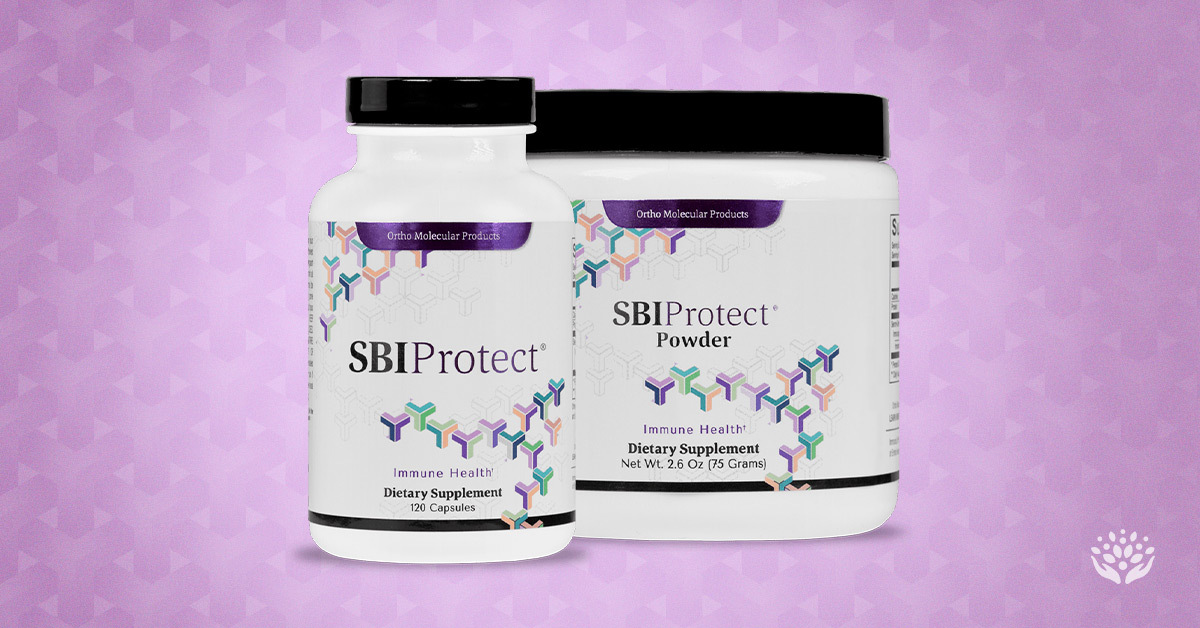
If you’re the type of person who’s serious about only putting high-quality stuff in your body, that last sentence probably made your jaw drop just like ours did.
Learn More: Gut Health: Dr. Neal’s Secret Weapon – SBI Protect
3. Rigorous Testing
Remember that farm-to-table type of manufacturing process we mentioned, over which OMP has complete oversight?
It’s a huge quality differentiator for a reason. By maintaining total control of their products from initial formulation to final laboratory analysis, Ortho Molecular Products is one of the few brands that can truly guarantee quality for its customers through rigorous testing.
And OMP tests everything.
The efficacy of their formulas? Tested. The clinically-backed nutrient forms that reach their warehouse as raw ingredients from carefully chosen sources? Tested. The laboratory setting in which their formulas are developed for safe consumer use? Tested, third-party tested, GMP-certified, and FDA-audited.
C-OMP-rehensive Wellness with Ortho Molecular Products
Sharing a beloved brand is the 21st-century equivalent of baring your soul to another; we don’t take it lightly.
But when it comes to Ortho Molecular Products, we’re not afraid to say we love them, trust them, and are proud to carry their cutting-edge supplements here at Woodstock Vitamins.
Wanna chat more about the best supplement brands with a certified expert? Hop on a free Counterside Consult any time, any place. (How’s that for a final ad to wrap up this anti-ad, unsponsored ad blog?)
If you’re here reading this, then you’re probably ready — or at least almost ready — to take your first steps toward a healthier, happier self.
As you gingerly set foot on this path of wellness, you could be on the precipice of a life-changing process…if you do it right.
Isn’t it a bit terrifying, that even the best of intentions can be rendered totally useless when it comes to our health and well-being?
In our age of digital clutter and despicable marketing tactics, there seems to be an abundance of directions to go in, each one promising total transformation (for just $499.99!).
So what’s an average person to do? Do you start with a heavy metals detox, quit gluten cold turkey, or take up beekeeping to regulate your nervous system? Or do you have your doctor run labs on everything from your thyroid to your big toe?
Spoiler alert — it’s none of that. (At least not yet.)
We asked Dr. Neal, holistic pharmacist of 20 years and wellness wisecracker, for his take on the very first steps. You know, where do we start?
And it should come as no surprise that his answer was a surprise: Transformation starts much closer to home than any of those expensive tests or tantalizing retreats would suggest. Keep reading to learn the essential elements of starting your wellness journey, and some down-to-earth, practical tips to do this adventure right.
In This Article:
- The 5 things everyone needs to do
- The first 5 steps everyone should take
- Where to find support on your wellness journey
Move, Nourish, Rest, Etc: Take Yourself From Junk to Joy
We’d say that these 5 things are what everyone, even that wellness influencer you follow, needs to do, but that’s a bit reductive.
No two people are the same — biologically, emotionally, spiritually, financially, etc. — even if those two people are both launching their wellness practices for the first time. Not all advice will work for everyone, but we trust that you, dear reader, are clever enough to take what works for you and leave the rest.
That being said, these 5 things are pretty rock-solid starting points for most humans embarking on a wellness journey. They’re short, simple, and sweet, and pretty intuitive, too:
- Eat less processed food.
- Eat more fresh, whole foods.
- Incorporate regular movement.
- Get better sleep.
- Take everything in moderation.
That’s not so bad, right? We can do that.
These changes might seem small, but they can add up to a pretty big transformation with a little dedication. In fact, just prioritizing these 5 simple things puts us squarely within the first tier of the Wellness Pyramid.
And if you want to do more now, or down the road when these 5 adjustments have you feeling like You 2.0, there’s always room to grow.
Learn More: Wellness Practices 101
But wait, didn’t we imply that real transformation doesn’t begin in the material reality of veggies and yoga, but rather in the intangible reality of the mind? We did — how astute of you.
Set the Stage for Success: The First Five Steps to Your Wellness Journey
No matter where you are in your wellness journey — from complete beginner to vitality veteran — there are some steps you just can’t skip. Unless you don’t mind wasting your time and money, that is!
When it comes to health and wellness, it’s a work smarter, not harder, kind of situation.
The practices and efforts you adopt to improve your overall well-being should actually work, first of all, and they should also be relatively easy to sustain (literally and financially) long-term, too.
So, for the sake of your health, follow these 5 steps to get started instead of getting swindled:
Step 1: Myth Debunking
It bears repeating that, in this vast ocean of wellness information, it’s easy to get swept away by the seductive sirens singing the praises of miracle supplements and magical pills.
But these fishy marketing tactics target people who just want to feel better, healthier, and happier. They prey on the vulnerability that comes with feeling like crap and the desire to be revitalized.
So, step one of your wellness journey is to cut through the babble and uncover what truly works.
Educate yourself, re-educate yourself, and then educate yourself again, even if you consider yourself already health-literate. New marketing tactics (à la grass-fed) emerge constantly, but new research does too — so, empower yourself with data-backed knowledge, captain.
This is your ship after all.
Step 2: Shift Your Expectations
And now, because we’re continuing this extensive metaphor, it’s time to set sail on uncharted waters.
Whether you’re just starting out or revamping your health game, you’re going to have to shake off those old predispositions and embrace an evidence-based mindset.
(The myth debunking of step one, while often exhausting and a bit horrifying, should lend itself well to this part.)
Because, here’s the thing, most of us are obsessed with quick fixes — ie, we take ibuprofen and our headache is obliterated in 20 minutes. It’s not just that we’re obsessed with immediate gratification though, we’re conditioned to expect it.
So here’s where the major mindset shift comes in: Wellness practices and supplements, which are the key to long-term wellness, just simply don’t work that way.
Rather than being a temporary, albeit instant, Band-Aid, their effect is cumulative. Setting realistic expectations, then, involves some major adjustments to our time frames. Rome wasn’t built in a day, and optimal health won’t be achieved overnight.
It’s Okay to Be Wrong, Too
Now, if you’re revamping your health journey, be prepared to let go of some cherished truths or beloved brands. As we dive into the depths of knowledge, it’s likely that you’ll uncover new insights that challenge your previous choices.
It’s okay to let go and embrace the better options that align with our newfound wisdom. (AKA, the most bioavailable forms of vitamins or bone-building wellness practices that aren’t a bunch of hokey.)
Step 3: Build a New Framework
Armed with information and a no-nonsense attitude, it’s time to say goodbye to arbitrary choices and wave hello to a strategic approach.
Y’know, like the Wellness Pyramid we mentioned above.
After multiple decades of clinical practice, working one-on-one with folks on their health journey, Dr. Neal put this simple, holistic structure together. Why? To cut through the chaos and give individuals the opportunity to reach optimal health.
The Wellness Pyramid is a data-backed, comprehensive approach that’s flexible enough to honor each person’s unique journey. It’s the scaffolding that provides a sturdy framework for health aspirations but still lets you decide how to decorate the walls.
Learn More: The Wellness Pyramid: Your Roadmap to Holistic Health
You don’t have to choose the Wellness Pyramid as your personal structure, though. You can pick what works for you, and we won’t be offended. Promise.
The important part is the picking. Without a strategy, you’re going to run into these unfortunate obstacles:
- Wasted money — on supplements that are more fluff than a jar of Jet Puff.
- Scattered efforts — like hyper-focusing on one area of the body while neglecting others.
- Wasted time — waiting for noticeable change that’s never on its way.
Step 4: Take (Honest) Inventory
Hot girls get real with themselves. And that starts with a super candid, internal conversation about where you are, what you’re doing right, what you’re capable of currently, and what your long-term health goals look like.
But if that sounds horrible, don’t fret. Dr. Neal shared with us the three most common paths that people tread, in his extensive experience of guiding health journeys.
1. The “I’m doing nothing, and I want to be healthier” crew:
If you’re in this camp, consider yourself lucky! You can simply kick-start your transformation by focusing on the foundation of your health: diet, sleep, exercise, stress management, and lifestyle changes.
Optimize these straightforward lifestyle domains and witness your life and health take a turn for the better.
2. The “I’m doing everything, but I want to do it better” squad:
You’re already a health savant and you’ve got your eating, snoozing, etc., pretty much in order, but you’ve hit a plateau.
Take a good look at your lifestyle domains at the pyramid’s base, and fine-tune them to perfection. Then, shift your gaze towards optimizing your supplement game with the First5.
Learn More: 5 Crucial Nutrients (Almost) All of Us Are Lacking
3. The “I have a specific health issue that I need to deal with” gang:
Sometimes, life throws a curveball, and you need to focus on a particular health concern. In such cases, the top of the pyramid may come into play, seeking conventional care tailored to your specific issue.
But let’s not forget the power of prevention. Remember, you can’t green-smoothie away everything, but you can arm yourself with holistic practices to safeguard your well-being.
Step 5: Commit to Making the Important Things Important
Here’s the hardest truth: it all comes down to you, baby. Are you ready to step up and commit to getting it right this time?
You already started having an honest conversation with yourself in the previous step. All we’re doing here is continuing that larger, deeper dialogue.
Do you truly have no time for exercise, or are you making a mountain out of a molehill?
Is breakfast really an impossibility, or are you hitting the snooze button one too many times?
And let’s talk about that meditation practice — are you really too busy to find five minutes of peace, or are you easily swayed by the instant dopamine spikes of social media?
If you admit to falling for those easy distractions or not prioritizing the things that you know will make you feel better, don’t beat yourself up. You’re in good company! Our world is designed to lure us into quick fixes that drain our energy and our wallets.
But your secret weapons here are honesty and commitment.
Honesty will keep you on the path of what works for you, and when paired with commitment, you get to be one of the people who say: “I did this thing, and it worked!”
Because in order to get to the “and it worked!” part, you have to commit to doing the thing that will work — taking the supplement, changing your diet, going to the meditation retreat, optimizing your sleep, and so on.
Start Planning Your Wellness Journey
The best time to revitalize your life and focus on your wellness was (probably) 20 years ago, but, as they say, the second best time is right now.
If you’ve made it this far in this humble, meme-filled blog, then you’re ready to ditch the guesswork, make intelligent choices, and become your best (or at least healthiest) self. The path is clear, the tools are in your hands, and the adventure awaits.
And, of course, your life depends on it. How’s that for motivation?
If you need a trail guide, we’re here, backpacks loaded and walking stick in hand — schedule a free Counterside Consult.
Cultivating genuine wellness in our age of misinformation and digital clutter is like being stuck in a maze of supplements and snake oil salesmen. Around every corner, a cacophony of options, opinions, protocols, and self-proclaimed experts waits to chime in.
It’s enough to make your head spin!
So, when it comes to health, most people follow one of two paths: Some do a lot of a few things, and others go all-in on one thing. Hitting the sweet spot — doing some of ALL the important things — is a rarity, and yet that’s exactly what we should be aiming for.
Thankfully, after 20 years of clinical practice, Dr. Neal has boiled down his tried-and-true, data-backed approach to holistic health into one, handy little tool: the Wellness Pyramid.
On the journey to genuine, sustainable well-being, the Wellness Pyramid is your compass, your trusty packing list, and your structured roadmap. Say goodbye to the confusion, the long cons, and the conflicting information!
Welcome back, clarity, we’ve missed you.
In This Article:
- Conventional vs. holistic health
- Using the Wellness Pyramid as a roadmap
- Implementing lasting change through gradual improvement
- The three tiers of the Wellness Pyramid
Conventional vs. Holistic Health and Wellness
In the quest for holistic wellness, it seems like there’s a never-ending clash between the “holier-than-thou” purists who reject anything conventional and the skeptics who dismiss the entire wellness industry as a bunch of quacks.
And let’s be real, both sides have a point.
Sure, there are some profit-focused phonies out there in the wellness world, spreading misinformation while hiding behind the lack of regulations. And sure, there are massive gaps in our culture’s medical science because the field is mediated by — often internalized — ideology.
But that doesn’t mean we should throw the baby out with the bathwater! It’s time to break free from this black-and-white mentality of good versus evil. The truth is, you don’t have to pick sides.
There’s a sweet spot, a middle ground where the best of traditional, alternative medicine and modern, conventional care converge to create true holistic health.
A holistic approach isn’t about being anti-medicine; it’s about digging deeper, understanding the root causes, and embracing interdisciplinary practices for whole-person healing. It’s a comprehensive blend of modern science and complementary methods, working together to achieve whole-body wellness.
So let’s drop the judgment, embrace the nuances, and find our way to a healthier, balanced existence. Because in the end, it’s not about choosing sides, it’s about finding what works best for you.
Using the Wellness Pyramid as a Roadmap to True Holistic Wellness
You know what’s worse than a crowded room? A crowded room full of people shouting conflicting health advice at you.
All those voices telling you how to reach optimal health create a whirlwind of confusion that only empowers health influencers and wellness companies, lining their pockets with your lack of industry-insider information.
The worst part? The wellness industry profits off of vulnerable people, or normal people in vulnerable positions. Whether you’re struggling with inflammation, chronic illnesses, or just generally feeling like crap, the self-titled gurus of the wellness industry are there to sell you a new magical pill — supplement or otherwise — that promises to cure all ails.
And if you don’t feel well, then of course you’ll try whatever wizardry is available!
But it’s time to stop blindly following those too-good-to-be-true recommendations from your well-meaning (but maybe not so well-informed) friends and getting lost in the never-ending scroll of HealthTok.
The Wellness Pyramid is Dr. Neal‘s way of giving you back control and helping you make intelligent choices in this tumultuous time. This simple structure puts the power back in your hands by:
- Filtering out the chaos of a for-profit industry.
- Acting as a point of reference for new trends or viral vitamins.
- Organizing your approach to health so it is sustainable and practical.
Make smarter decisions with the Wellness Pyramid as a roadmap. It is your anchor, your framework for achieving whole-being health. It’s like a sturdy scaffolding that helps you build a real plan, rather than jumping from one fleeting trend to another.
It’s a reference point.
Whenever you stumble upon a new recommendation or the latest wellness approach, pause and ask yourself, “Where does this trendy trend, fancy supplement, or fad diet fit into the glorious Wellness Pyramid?”
Let it be your compass, guiding you toward what truly matters and filtering out the noise.
Implement Lasting Change
Holistic wellness means looking at the whole picture of your wellness, not just slapping a band-aid on the symptoms.
(Although there are definitely times when a band-aid is called for!)
You see, true holistic care involves all the variables that affect your health, so you can address the underlying causes of your symptoms and find long-term relief. If you want to implement lasting change, build healthy habits, and create foundational wellness, then you need to approach the variables of your health individually — and holistically.
But you don’t have to change your life overnight! And in fact, a cold-turkey approach will rarely, if ever, lead to sustainable change.
Addressing the variables of your health now, today, even if it’s through minor, incremental improvements, is better than doing nothing. You will eliminate the obstacles that stand in the way of your success one step at a time.
That’s why we follow the Wellness Pyramid. It’s a step-by-step process that allows you to optimize each variable and create an unshakable foundation of wellness.
The Wellness Pyramid
But if you came here looking for a quick fix, this ain’t the blog for you, buddy!
The Wellness Pyramid is, indeed, here to cut through the chaos and give you a solid game plan for achieving true holistic health. But, we won’t sugarcoat it — achieving sustainable wellness is gonna require some tough choices and a little bit of discipline.
In fact, the Wellness Pyramid is the exact opposite of what the marketing teams of health companies would suggest. Which should be a clue that we’re headed in the right direction.
So let’s rebel a little! Make some waves in a polarized world by cultivating a middle path of wellness that embraces the gray area, boosts your self-reliance skills, and empowers you to make smart choices despite the inundation of sales tactics.
Tier 1: Foundational Lifestyle Domains
We’re starting at the very foundation: the lifestyle domains. But, try to refrain from rolling your eyes and thinking, “Oh great, more kale smoothies and yoga poses,” because as unsexy as it can seem, the bedrock of your health is established in the mundane.
That is — sleep, exercise, diet, stress management, and lifestyle changes.
1. Beauty Sleep
Oh, the sweet embrace of slumber. It’s not just a chance to drool on your pillow; it’s an essential component of your well-being. To make it abundantly clear: it’s time to stop ignoring fitful sleep and normalizing chronically restless nights.
Trust us, your overall health will thank you, and you’ll be waking up ready to slay the day, one well-rested step at a time.
But, it’s a lot easier to say “prioritize your shut-eye” than it is to actually get those Zzz’s.
There are plenty of easy-to-follow tips on better rest, but in order to truly improve your sleep, you’ll need to address the underlying issues that can impact sleep.
(Hint: they’re the other lifestyle categories we focus on in the foundational tier!).
2. Nourish Yo’ Self
Let’s dish out some real talk about the oh-so-vital connection between what you put on your plate and how your body feels. Poor diet = poor overall health.
You’ve heard it before, but it’s worth repeating: you are what you eat. It’s cliche, but it’s also true. Your body is like a high-performance machine, and the food you consume is the premium fuel that either powers you up or leaves you sputtering on the side of the road.
This isn’t about depriving yourself or jumping on the latest diet bandwagon. It’s about caring for your body with wholesome, nutrient-dense foods and finding the balance between indulgence and nourishment.
But, it’s not JUST about choosing the right foods. It’s also about fueling up consistently throughout the day to keep your blood sugar from going bonkers.
And, psssst. Did you know that diet can impact your sleep?
3. Move Your Body
We’re talking about getting those buns off the couch and shaking ’em like there’s no tomorrow. Exercise, people!
It’s no secret that regular physical activity can improve your overall health. Just ask the CDC. Or the National Institutes of Health (NIH). The World Health Organization (WHO). Or those experts over at Harvard.
Whether it’s dancing like nobody’s watching, kickboxing your stress away, or mastering the art of parkour (with caution, please), embrace the joy of movement and make your body boogie.
Fun fact: your exercise routine can get you those Zzzs. And, emerging research points to exercise playing a beneficial role in digestion, too.
It’s almost like all these things are connected, right?
4. Zen It Out
Oh, stress, the unwelcome guest who loves to crash the party of our lives. Let’s be real here, though, because stress is no joke. It has a literal, physical impact on your body.
When you’re under stress, your body releases a flood of hormones, like cortisol and adrenaline, that put your system on high alert. Chronic stress, then, essentially means your body is trapped in fight or flight mode — or the sympathetic nervous system — constantly.
Why does this matter? The sympathetic nervous system state (as opposed to the parasympathetic nervous system state) is the body’s intelligent approach to life-threatening danger. If you’re being chased by a tiger, your body will, quite cleverly, boost your heartrate and shut down unnecessary functions — like digestion.
While it might sometimes feel like we’re being chased by the tigers that are our bosses, landlords, children, etc., we’re rarely actually in this kind of crisis.
And, spoiler alert: Too much stress leads to too little sleep.
So finding your zen is the key to better digestion, better sleep, and just generally better vibes. You may not have the power to flick a switch and magically make all your stressors vanish, but you sure as heck can take charge and identify the ones that push your buttons the most.
5. Revamp Your Lifestyle
We like to think of the lifestyle changes component as being related to all the stuff that goes on outside of you.
Because, if we’re really honest, making a few, small lifestyle changes that limit your exposure to inflammatory grossness can sometimes have a bigger impact than other improvements. Lifestyle changes are hyper-personal, though; it’s all about what works for you, specifically.
Make healthy choices — whether that’s quitting smoking, bringing fewer toxins into your home, taking the TV out of your room, or all of the above — that support instead of derailing your progress.
Tier 2: Strategic Supplementation
We’ve aced the diet, nailed the sleep, and kicked stress to the curb. But something still feels off. Welcome to the middle of the pyramid, where we tackle those persistent difficulties like the champs we are — hopefully.
This is all about those supplements, vitamins, and OTC medications that can help bridge the gaps and fill in the missing spaces. But, it is important to remember:
You can’t out-supplement a nutritionally bankrupt diet or sedentary lifestyle.
That’s why we tackle the bottom tier of the pyramid first before introducing additional supplements. The best place to start? If you ask us, it’s the First5.
The First5
The First5 — omega-3s, bone support, protein, probiotics, and multivitamins/minerals — are the rockstar supplements that deserve a special place in everyone’s routine. Consider these bad boys the nutritional building blocks that sometimes slip through the cracks of our diets (and the bottom tier of our pyramid).
The key thing to know about these 5 nutrients are:
- Even the healthiest people are typically missing these nutrients in their diets.
- These 5 nutrients are backed by some of the best modern research around.
- And they impact multiple body systems, so it’s the best bang for your buck.
Once you optimize your intake of these 5 nutrients, your crucial bases are covered, and you’re free to add in whatever trending supplement has caught your eye!
But — and this is important — don’t forget to loop your doctor or healthcare professional into things.
Remember: Not All Supplements are Created Equal.
And actually, there’s one more thing you should know before gleefully purchasing some black seed oil or cheap ashwagandha powder.
The wellness industry, supplements included, is not nearly as regulated as conventional medicines. So, it’s not just about choosing the right supplements, but the right brands.
If the brand doesn’t uphold rigorous testing and manufacturing standards, you could be ingesting any number of contaminants like heavy metals or solvents that weren’t properly washed away between batches.
So, don’t dive in blind: Do. Your. Research.
Tier 3: Calling in the Pros
We’ve reached the tippy top of our Wellness Pyramid. Congratulations, you’ve become a wellness ninja, eliminating the junk, mastering the sleep game, and treating your body like a temple! You’ve got the supplements on lock too, optimizing absorption and dosage like a pro.
Yet, something’s still off.
It’s time to bring in expert reinforcements, trained medical professionals, to unravel the mystery and restore balance to your body.
Now, some folks in the holistic wellness world are vehemently anti-medicine, or at the very least, critical of the medical industry. We’re not here to point fingers, only to point out the simple fact that not all ailments can be handled with simple lifestyle changes and a few supplements.
Sometimes, conventional practices are necessary to survive. Plain and simple.
And, it’s important to remember that your doctor can also test you for a number of health markers that can provide you with critical information about what’s actually going on in your body.
So, don’t try to ride it out or mask your symptoms with a bunch of small changes. Consult the professionals and get to the root cause of the problem before it’s (potentially) too late.
Embrace True Holistic Wellness From Top to Bottom
Here we are at the end of our wild and enlightening quest. But, if you were sad that our time is up, don’t fret! This journey is far from over. It’s a lifelong expedition, filled with twists, turns, and a few detours along the way.
Remember, there’s no one-size-fits-all solution in this game. It’s about finding what works for you, listening to your body’s whispers (or sometimes screams), and dancing to the beat of your own wellness drum.
As you venture forth, remember to be kind to yourself. It’s okay to stumble, to have a slice of cake (or two), or to take a break from your daily grind. Holistic health is about balance, not perfection.
You’ve got this.
And if you need a little help, that’s okay, too. Expand your education by exploring our informative blogs and listening in on our highly entertaining podcasts. Or, get direct, personal guidance from our pros with a free Counterside Consult!
It’s a wild world we live in, folks.
Our days are punctuated by meetings, news stories, natural disasters, traffic patterns, and the like. Is it any wonder, then, that most of us are stuck in survival mode?
We eat what’s quick, easy, and available. We sleep less than previous generations. We experience burnout and stress overload more and more often, and in general, the overall well-being of Americans is declining.
Stepping out of this tumultuous cycle isn’t always easy — especially if you’re already struggling with brain fog, inflammation, chronic illnesses, etc. — but it is critical and necessary.
Wellness practices, a central facet of Dr. Neal’s holistic approach to health, allow us to carve out a little space for ourselves amidst this chaos.
How? By establishing supportive routines that organize our wellness efforts and push us out of survival brain.
No one feels their best when they’re just surviving, putting out fires, and being mowed down by the days. Keep reading to learn more about Dr. Neal’s super simple, yet ultra-powerful framework for wellness practices — AKA how to break free and build a foundation for well-being in your life specifically.
In This Article:
- What are wellness practices?
- How do wellness practices fit into the Wellness Pyramid?
- Steps for successfully integrating a wellness practice
- 5 wellness practices for the 5 lifestyle domains
What Are Wellness Practices?
The term “wellness practice” can seem kinda vague at first blush. It’s almost like well-being or self-awareness in that way — we seem to understand these terms intuitively until it comes time to put them into words.
So let’s break down the individual units of the phrase.
Wellness
Most of us already have an instinctual sense of what cultivates physical wellness — sunshine feels good, movement feels rejuvenating, food feels nourishing, water feels restorative.
But emotional and spiritual health factor into your overall wellness, too, even if that seems a little flowery for you.
Modern research has shown the deleterious effects of emotional stress on the physiological body in a myriad of ways, and the antiquated dichotomy of mental vs. physical is rapidly losing steam.
Spiritual health doesn’t necessarily mean praying to the bearded man upstairs either — it just means having something larger than yourself to offer perspective and purpose to your life. That sense of meaningfulness could come from meditation, being a part of a community, caring for others, spending time in nature — the list goes on.
What it boils down to is: When our lives have no sense of meaning and we have no tools for making or finding meaning, everything sucks.
But feeling like your life is meaningful? That’s been linked to lower rates of depression and psychopathology, and the evermore clear connection between life attitudes and wellness continues to be explored.
Practice
And then there’s the practice part of it, which is just as important as defining your personal ideas of physical, emotional, and spiritual wellness.
Actually, it’s probably even more important than that.
Practice implies commitment, routine, and habit-building. Continuous movement in one direction is required, because it’s not really a wellness practice if you only do it once. We hate to say it, but drinking enough water for a single day in your life doesn’t make you a hydration hero.
Don’t panic though — wellness practices can (and should!) evolve and shift to meet your needs at various stages of life.
For some folks, a steady effort at moment-to-moment mindfulness might work better than 5 minutes of sitting meditation a day. For others, taking a gentle walk in the morning might be exactly what the body needs, rather than a high-intensity workout 3 times a week.
However our wellness practices look person to person, the philosophical thread that ties them all together is an ongoing commitment to bettering the health of our whole being.
How Do Wellness Practices Fit into the Wellness Pyramid?
After 20 years of clinical practice, Dr. Neal developed the Wellness Pyramid concept to share with his patients from all walks of life.
This handy, research-backed framework serves as a strategic structure for what is usually a personal — and often arbitrary, no offense — approach to health and well-being.
Because, when it comes to healthy habits and wellness routines, most people do a lot of one thing or a little of a few things. The Wellness Pyramid, however, organizes our endeavors so we can do some of all the things our bodies need.
So we start at the meatiest, most powerful section of the Wellness Pyramid: the bottom tier.
Centered on the core five domains of our lives — diet, sleep, exercise, stress management, and lifestyle changes — optimizing this tier builds a strong foundation for long-term health.
We start at this tier, and we stay at this tier for as long as it takes. Why? Because it’s only when this foundation has been optimized that we can introduce strategic supplement use without wasting a bunch of money.
You can’t supplement your way out of a couch potato lifestyle, people!
Wellness practices live here, primarily, and they exist in this framework as preventative tools for staving off health issues and allowing us to live vibrant, meaningful lives.
When Are Wellness Practices Not the Answer?
The keyword of the last sentence is preventative.
Wellness practices are at their most helpful and effective state when they are adopted early, before the onset of disease or illness.
Take bone health, for example. The most important time to implement bone-building wellness practices is before the age of 30 as that glorious decade is when we reach our peak bone mass.
Does that mean that people over 40 shouldn’t do anything to support their bones because they will have already started losing density? Absolutely not.
But does it mean that people under 30 should be hightailing it over to this blog to learn about weight-bearing exercises for building bone mass? Yes, x1,000.
When it comes to wellness practices, Dr. Neal’s general advice is to start early and stay committed.
You might still be able to experience relief from illness or disease-related symptoms by working to drive down inflammation in your body, but waiting until you are diagnosed is not an effective plan of action.
3 Steps for Crafting a Sustainable Wellness Practices Plan
Humans are not fans of change, even when that change will likely make their lives better, happier, and healthier.
If you quit cold turkey or dive in blind — chances are, your efforts will fall flat after week 2. There’s a reason the internet’s favorite New Year’s joke is about the temporarily crowded gyms!
So give yourself a real shot at success. Create a structured, self-aware approach that you can actually sustain by following these three steps before adopting a wellness practice:
1. Have an honest conversation with yourself.
When it comes to integrating a new habit into your life, it’s important to get really real with yourself. What do you have time for? What have you tried in the past and know won’t work for you?
What calls you? What seems manageable, if not a little fun, too? What really needs healing? What areas of your life would benefit the most from a little TLC?
2. Gather the resources you need to succeed.
Before you go full-throttle with that new pilates routine, paleo diet, or Peloton payment plan, take a breath.
Research health complications you might be at risk for, and risk factors for practices you might adopt. People with hypothyroidism, for example, can struggle disproportionately with cardio exercises. And even something as seemingly gentle and accessible as yoga comes with risks!
3. Balance your approach.
Taking each wellness practice and lifestyle domain at the speed that works for you, your body, and your life is crucial for creating sustainable change.
But at the same time, don’t get stuck on one thing forever.
Optimizing your sleep, for example, can work wonders for your mental well-being, physical health, cognitive functioning, etc., but you can’t snooze away malnourishment or atrophied muscles.
5 Wellness Practices for the 5 Lifestyle Domains
Now it’s time to take that new information you learned about yourself in steps 1-3 and put it into action.
Your specific lifestyle and needs will determine which wellness practices will work for you and how often to engage in them. You might decide to start with introducing one wellness routine for one lifestyle this week, and then build on that momentum by adding another one for another domain the next week.
Or, you might implement one wellness practice for each lifestyle domain, and aim to hit each five practices at least once per week.
Your schedule is up to you, friend. But we can give you some introductory ideas to jumpstart your wellness practices!
Diet
- Incorporate more whole, fresh foods.
- Start cooking from home more often.
- Commit to trying one new recipe (each week, month, quarter, etc.) to diversify your nutrient intake.
- Swap a few of your processed sweets for homemade baked goods or fruits.
- Make a concerted effort to chew your food more thoroughly to support proper digestion.
The central tenet of this diet domain? Everything in moderation.
Exercise
- Take a daily hot girl mental health walk.
- Hop, skip, or jump to trigger lymphatic drainage and bone-mass building.
- Implement an interval schedule for your sit-and-work hours — 50 minutes on, followed by a 10-minute break to stand and move around, for example.
- Diversify your exercise approach! If you only do yoga, try weight lifting and vice versa.
- Introduce your body to something totally new — dancing in your kitchen, joining a rock climbing club, taking a grappling class, etc.
You don’t have to become a bodybuilder or climb Mount Everest to benefit from regular movement and exercise.
Sleep
- Avoid stimulants 1-4 hours before bed, please!
- Add hypoallergenic pillow covers to combat allergies and improve quality of sleep.
- Limit exposure to blue light (from screens) after dark.
- Use a high-quality, comfortable sleep mask to block out artificial light that causes circadian rhythm disruption.
- Avoid eating heavy, greasy, or spicy foods within 3 hours of your bedtime.
When it comes to sleep, there are really only three things you need: a calm mind, a calm body, and a comfortable environment.
Stress Management
- Give meditation or mindfulness practices a try — even 5 minutes a day can yield benefits.
- Test out breath work, tai chi, dream recording, or other, more physical modalities if you’re meditation-averse.
- Schedule time for joy — literally put it in your calendar.
- Schedule a session with a licensed therapist while you’re at it.
- Prioritize connection with others and community building in your social circles and beyond.
Does having more things piled onto your planner sound stressful? Take a different approach! Your zen will be specific to you.
Lifestyle Changes
- Cut back on alcohol, drugs, smoking.
- Reorient your life to support your circadian rhythm — ie, sleeping when you’re tired, waking when you’re rested.
- Remove the TV from your bedroom.
- Reduce the number of toxins you bring into your home by swapping inflammatory or carcinogenic products for effective, natural alternatives.
- Get more sunlight on your skin safely and with sunscreen.
We like to think of this section as the simple stuff you change outside of yourself — limiting your exposure, working with the external milieu, and focusing on the small things you can control.
The Middle Path of Wellness
The axiological truth of all the various frameworks we share here — the Wellness Pyramid, wellness practices, the First5 — is balanced on, well, balance.
Because, here at Woodstock Vitamins, we walk the middle path of wellness. This path is the one that incorporates the best of both natural traditions and rigorously researched modern medicine. The common ground we create between them is standards that are high AF.
Learn More: The Middle Path of Wellness | Dr. Neal Smoller
But walking a middle path in a world of chaos, clutter, and noise is no small feat — you shouldn’t have to do it alone.
The first step is fueled by high-quality education, and the second, by comprehensive support! Talk the walk with one of our holistic wellness experts via a free Counterside Consult today.